Is Farm-to-Table Common in Ecuador? A Realistic Look at the Trend
Is Farm-to-Table Common in Ecuador?
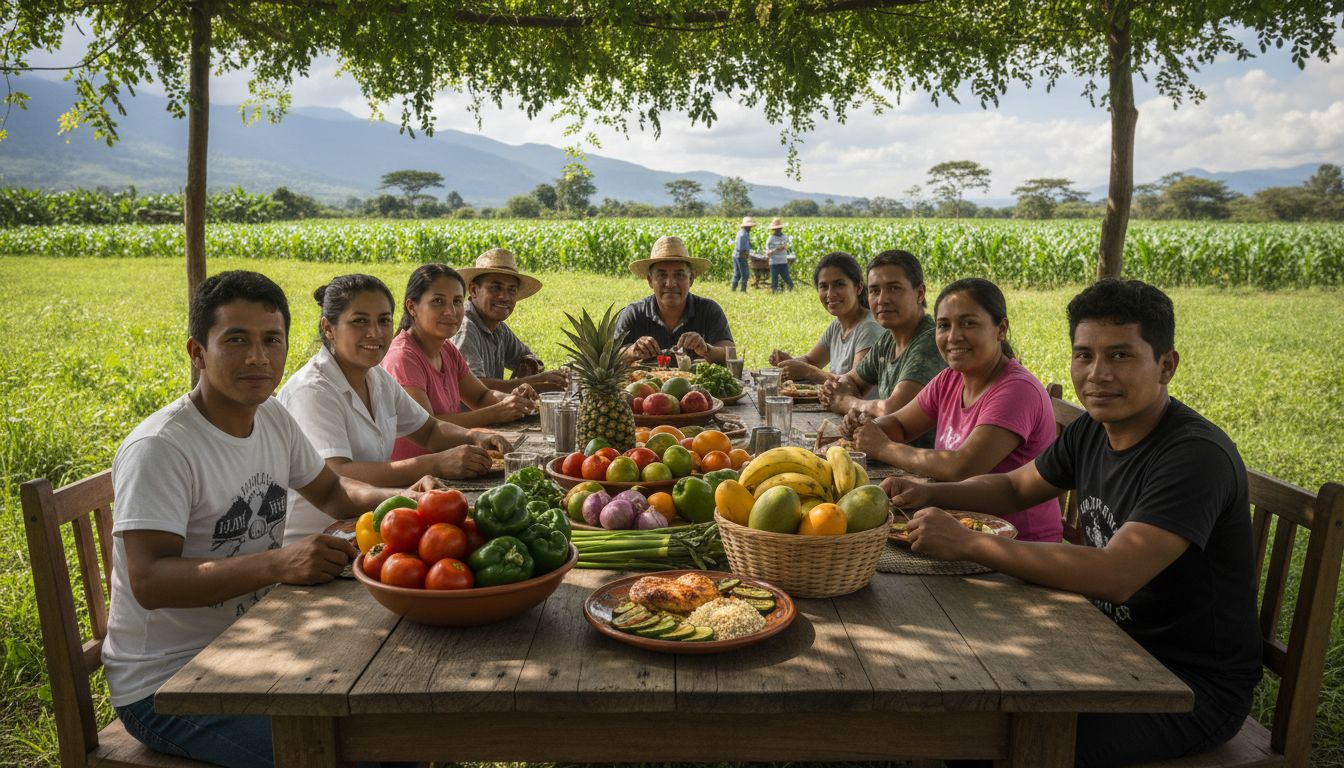
Travelers researching Ecuador's food scene often come across glowing references to farm-to-table dining, tasting menus built around local harvests, and chefs who speak passionately about sourcing. The short answer is that farm-to-table is real in Ecuador, but it remains an emerging trend rather than a mainstream dining practice. It helps to distinguish between two related but different things: the use of local ingredients out of necessity and tradition, which is common and long-standing, and farm-to-table as a branded, intentional dining concept, which is newer and far more concentrated in specific settings.
This article walks through where the farm-to-table concept genuinely shows up in Ecuador, where it doesn't, and how travelers can calibrate their expectations accordingly.
Why Ecuador Is Primed for Farm-to-Table
Few countries offer the geographic compression that Ecuador does. Within a few hours' drive, travelers can move between Pacific coastline, Andean highlands, and Amazon basin, each contributing distinct ingredients to the national pantry. Coastal regions supply seafood and tropical produce, the highlands offer potatoes, grains, and dairy, and the Amazon contributes fruits and ingredients rarely seen outside the region.
This diversity means that short supply chains are often a practical reality rather than a deliberate culinary philosophy. In many parts of the country, sourcing locally isn't a trend statement, it's simply how food has always moved from farm to kitchen given transportation infrastructure and regional specialization. That natural abundance creates fertile ground for farm-to-table dining to flourish, even if formal, branded adoption of the concept still lags behind the raw ingredients available.
Where It's Actually Happening: Quito's Upscale Scene
The clearest expression of farm-to-table as a culinary movement is concentrated in high-end restaurants in Quito and other tourist hubs. Here, chefs are increasingly building menus around local sourcing and sustainability as part of a broader culinary identity movement, one that positions Ecuadorian cuisine as sophisticated and globally relevant rather than purely traditional.
This typically takes the form of tasting menus that narrate their ingredients' origins, chef-driven sourcing stories that highlight specific farms or producers, and a general emphasis on seasonality. Diners in this scene can expect an experience closer to what farm-to-table means in major culinary cities elsewhere: curated, intentional, and often priced accordingly.
Haciendas and Agritourism: A Parallel Track
Alongside the restaurant scene, hacienda-style properties offer a parallel and in some ways more organic expression of farm-to-table dining. Many of these properties blend lodging, active farming, and dining in ways that naturally support the farm-to-table concept, since the food served is often grown or raised on-site or nearby.
This overlaps with Ecuador's growing agritourism sector, which appeals especially to travelers seeking an immersive, working-farm experience rather than a strictly restaurant-based meal. For visitors interested in seeing the full arc from field to table, these properties often provide a more hands-on and authentic version of the concept than a tasting menu alone.
The Tourism Marketing Angle
Ecuador's national tourism promotion leans heavily into gastronomy and local sourcing as part of the country's broader travel brand. Gastronomy-focused campaigns and destination marketing materials frequently highlight farm-to-table language, positioning it as a signature element of the Ecuadorian travel experience.
This narrative has been reinforced by international travel and food press, with outlets covering Ecuador's dining scene in travel-feature style pieces that spotlight standout restaurants and sourcing stories. The New York Times and The Guardian, among others, have published pieces along these lines, and food-focused publications like Eater have featured similar coverage. While this attention is genuine, it's worth noting the gap between the marketing narrative and widespread lived practice. The restaurants and experiences featured in these pieces represent a real but relatively small slice of Ecuador's overall dining landscape.
What Everyday Dining Looks Like Outside the Trend
Outside of Quito's upscale scene and agritourism lodges, everyday dining in Ecuador looks quite different. Rural and local dining culture often uses local ingredients out of tradition and practicality rather than as part of a formal movement. A market stall serving soup made with potatoes grown nearby, or a family restaurant using seafood caught that morning, reflects organic localism that predates and differs meaningfully from the curated farm-to-table label.
This distinction matters for travelers: outside major cities and tourist zones, don't expect menus to reference sourcing philosophy or farm partnerships. The local-ingredient cooking is still there, it's just not packaged as a trend.
What This Means for Travelers
For travelers specifically seeking farm-to-table experiences, the most reliable places to look are upscale restaurants in Quito, hacienda properties that combine lodging and farming, and agritourism lodges built around working farms. These settings are where the concept is most deliberately practiced and most likely to meet expectations shaped by international farm-to-table dining.
Outside these pockets, it's worth adjusting expectations. Much of Ecuador's everyday food culture already reflects local sourcing in practice, even without the branding. Rather than looking for the formal farm-to-table label everywhere, travelers may get more out of appreciating Ecuador's everyday local-ingredient cooking on its own terms, as a longstanding culinary tradition rather than a curated trend.