Is Farm-to-Table Common in Ecuador? A Growing Movement Across the Country
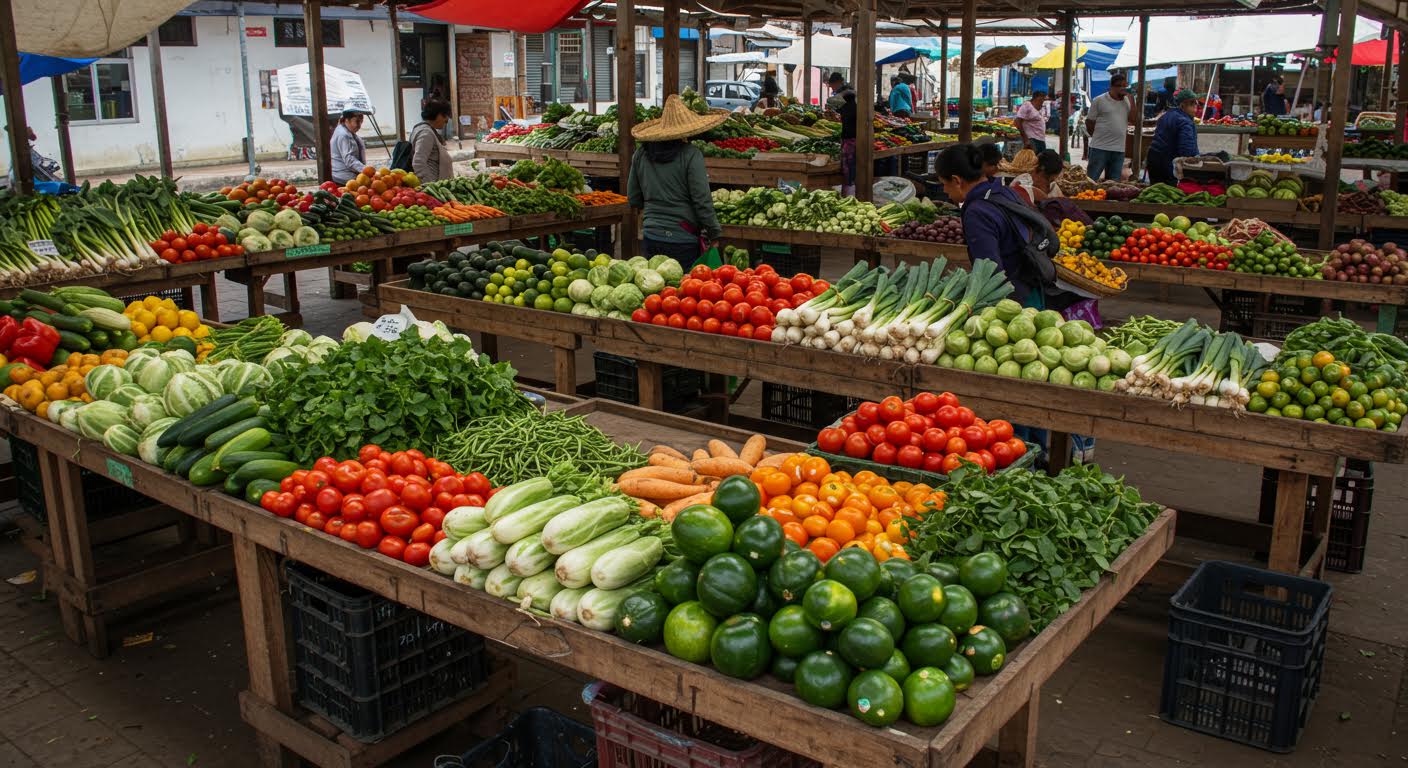
Ecuador's farm-to-table dining movement has exploded in recent years, transforming how restaurants approach sourcing and menu development across the country. This culinary trend emphasizes locally-sourced ingredients and direct relationships with producers, and it's found particularly fertile ground in Ecuador thanks to the nation's incredible agricultural diversity and growing environmental consciousness.
Ecuador's Farm-to-Table Movement: An Overview
Farm-to-table dining in Ecuador goes beyond just a trendy concept—it's actually a return to traditional food systems combined with modern restaurant practices. The movement has grown steadily, especially in cities where restaurants increasingly highlight their connections to local farms and producers.
Ecuador's remarkable agricultural diversity serves as the perfect foundation for this movement. The country's unique geography creates multiple climate zones within relatively short distances, enabling year-round production of countless crops. From tropical fruits grown along the coast to high-altitude vegetables cultivated in the Andes, restaurants have access to an amazing variety of fresh, local ingredients.
You'll find the highest concentration of farm-to-table restaurants in major urban centers, particularly Quito and Cuenca, while rural areas often maintain traditional direct-sourcing relationships that have existed for generations.
Natural Advantages for Local Sourcing
Ecuador has several natural advantages that make farm-to-table dining not just possible, but practical and economical. The country's multiple climate zones—from coastal lowlands to Andean highlands—create diverse growing conditions that support year-round agricultural production.
The proximity of productive farmland to major dining destinations eliminates many logistical headaches that restaurants in other countries face when sourcing locally. Many farms sit within just a few hours' drive of major cities, allowing for fresh delivery of produce harvested the very same day.
Traditional indigenous food systems provide a solid foundation for the modern farm-to-table movement. These time-tested agricultural practices emphasize crop diversity and seasonal eating, which align naturally with contemporary sustainable dining principles.
Ecuador's well-established local market infrastructure, including thriving farmers' markets and distribution networks, makes it much easier for restaurants to connect with local producers and maintain consistent supply chains.
Where to Find Farm-to-Table Restaurants
Quito leads Ecuador's farm-to-table scene, with numerous establishments proudly featuring locally-sourced menus. The capital's restaurant scene includes both upscale establishments that work directly with specific farms and more casual venues that emphasize local ingredients in traditional preparations.
Other major cities, including Cuenca, Guayaquil, and Ambato, have embraced the movement to varying degrees. Each city's approach reflects its regional agricultural strengths and local dining culture.
Tourist destinations and eco-lodges often pioneer farm-to-table dining, using locally-sourced meals as part of their sustainable tourism offerings. These establishments frequently maintain their own gardens or work closely with nearby communities to source ingredients.
To identify authentic farm-to-table establishments, look for restaurants that prominently display information about their local suppliers, offer seasonal menus that change based on local harvests, and can provide specific details about the farms or cooperatives they work with.
Restaurant Partnerships with Local Producers
Many Ecuador restaurants have developed direct relationships with specific farms, creating partnerships that benefit everyone involved. These arrangements often involve restaurants committing to purchase certain quantities of produce, providing farmers with predictable income while ensuring restaurants receive fresh, high-quality ingredients.
Cooperative partnerships and community sourcing models have emerged as effective ways for smaller restaurants to access local ingredients. By working together or partnering with local cooperatives, restaurants can support small-scale farmers while managing costs and logistics more effectively.
Seasonal menu adaptations based on local harvests are becoming increasingly common. Smart restaurants plan their menus around the natural growing cycles of their region, highlighting different ingredients as they come into season.
While local sourcing offers many benefits, restaurants also face real challenges including supply consistency, seasonal availability limitations, and the need to build and maintain relationships with multiple small producers.
What to Expect When Dining
Farm-to-table restaurants in Ecuador typically feature ingredients that showcase the country's agricultural diversity. You can expect to see quinoa, fresh vegetables from highland farms, tropical fruits, locally-raised meats, and traditional grains incorporated into both contemporary and traditional dishes.
Price points vary considerably, from affordable local establishments that have always used nearby ingredients to upscale restaurants that market their local sourcing as a premium experience. Generally, the focus on quality and freshness can justify slightly higher prices compared to conventional restaurants.
Seasonal variations significantly influence menu offerings at authentic farm-to-table establishments. You might find that favorite dishes are only available during certain times of the year, reflecting the natural growing cycles of local ingredients.
The blend of traditional and modern approaches creates a unique dining experience that honors Ecuador's culinary heritage while embracing contemporary sustainability principles. It's this combination that makes Ecuador's farm-to-table scene so special and worth exploring.