How Your Restaurant Choices Impact Your Energy and Mood Throughout the Day
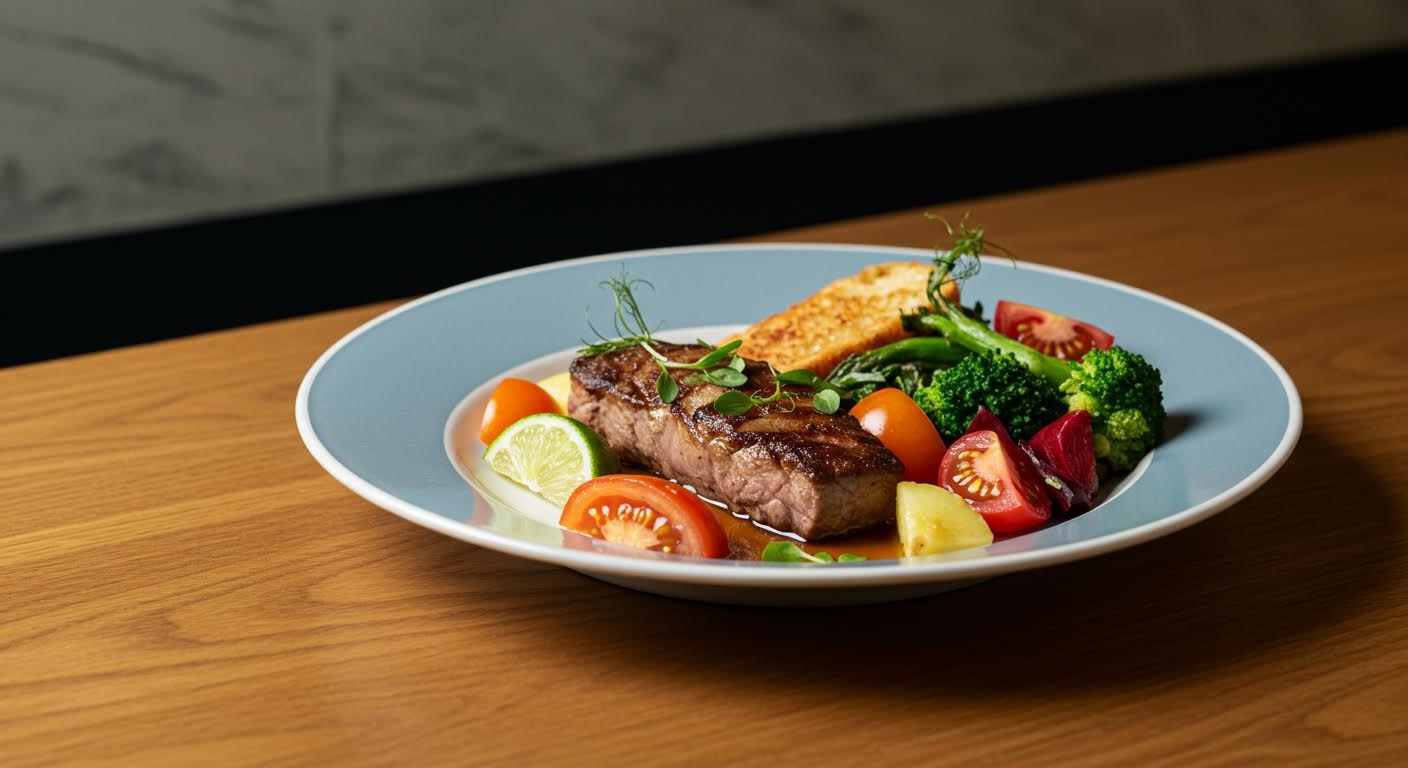
Every meal you eat when dining out is an opportunity to fuel your body and mind for sustained energy and positive mood. The foods you choose at restaurants don't just satisfy hunger—they directly influence how you feel for hours afterward. Understanding this food-mood connection can help you make smarter menu decisions that keep you energized and emotionally balanced throughout the day.
The Science Behind Food and Mood
Your brain and digestive system are in constant communication through what scientists call the gut-brain axis. This connection explains why certain foods can make you feel alert and happy, while others leave you sluggish and irritable.
Blood sugar fluctuations play a major role in this process. When you eat refined carbohydrates or sugary foods, your blood glucose spikes rapidly, giving you a temporary energy boost. However, this quickly crashes, leaving you feeling tired, moody, and craving more sugar.
Key nutrients support the production of neurotransmitters like serotonin, dopamine, and GABA, which regulate mood, focus, and emotional stability. Your food choices directly impact your body's ability to produce these important brain chemicals.
Energy-Boosting Food Choices When Dining Out
When scanning restaurant menus, look for protein-rich options that provide sustained energy. Grilled chicken, fish, lean beef, eggs, and legumes help stabilize blood sugar and keep you feeling full longer.
Choose complex carbohydrates over refined alternatives whenever possible. Opt for dishes featuring quinoa, brown rice, sweet potatoes, or whole grain breads instead of white rice, regular pasta, or processed starches.
Pay attention to how different menu items might affect your energy levels. A salad with grilled salmon and quinoa provides steady fuel, while a plate of pasta with cream sauce may cause an energy crash within a few hours.
Mood-Supporting Nutrients to Look For
Omega-3 fatty acids, found in fatty fish like salmon, mackerel, and sardines, support brain health and may help regulate mood. Many restaurants now feature these options prominently on their menus.
B vitamins are essential for energy production and nervous system function. Look for dishes that include leafy greens, whole grains, eggs, and lean meats—all excellent sources of various B vitamins.
Magnesium-rich foods can help support emotional balance and reduce stress. Dark leafy greens, nuts, seeds, and dark chocolate are good restaurant sources of this important mineral.
Timing and Portion Strategies
Meal timing significantly affects your energy patterns throughout the day. Eating regular, balanced meals helps maintain stable blood sugar levels and prevents the energy dips that can affect your mood and productivity.
Restaurant portions are often larger than what your body needs for optimal energy. Consider sharing dishes, asking for a half-portion, or immediately setting aside part of your meal to take home. Overeating can lead to post-meal fatigue and digestive discomfort.
Aim to balance macronutrients in your restaurant meals by including protein, healthy fats, and complex carbohydrates. This combination helps slow digestion and provides steady energy release.
What to Avoid for Stable Energy and Mood
Hidden sugars and refined carbohydrates are common in restaurant dishes, even in seemingly healthy options. Salad dressings, sauces, and marinades often contain added sugars that can trigger blood sugar spikes and crashes.
Highly processed foods can trigger inflammation in the body, which research suggests may negatively impact mood and cognitive function. When possible, choose dishes made with whole, minimally processed ingredients.
Common dining pitfalls that lead to energy slumps include starting with sugary drinks, eating large amounts of refined carbohydrates, and skipping protein. Being aware of these patterns can help you make better choices.
Practical Menu Navigation Tips
Don't hesitate to ask servers about preparation methods. Request information about cooking oils, sauces, and seasonings used in dishes. Many restaurants are happy to accommodate requests for grilled instead of fried preparations or sauce on the side.
Simple substitutions can significantly improve the nutritional value of your meal. Ask for extra vegetables instead of refined starches, choose olive oil-based dressings over creamy ones, or substitute a side salad for french fries.
Stay properly hydrated while dining out by drinking water throughout your meal. Dehydration can contribute to fatigue and mood changes, and it's easy to forget about water intake when focusing on food choices.
Remember that small, consistent improvements in your dining choices can lead to noticeable changes in how you feel throughout the day. You don't need to completely overhaul your eating habits overnight—focus on making one or two better choices each time you dine out.