How to Tell If Seafood in Ecuador Is Truly Fresh
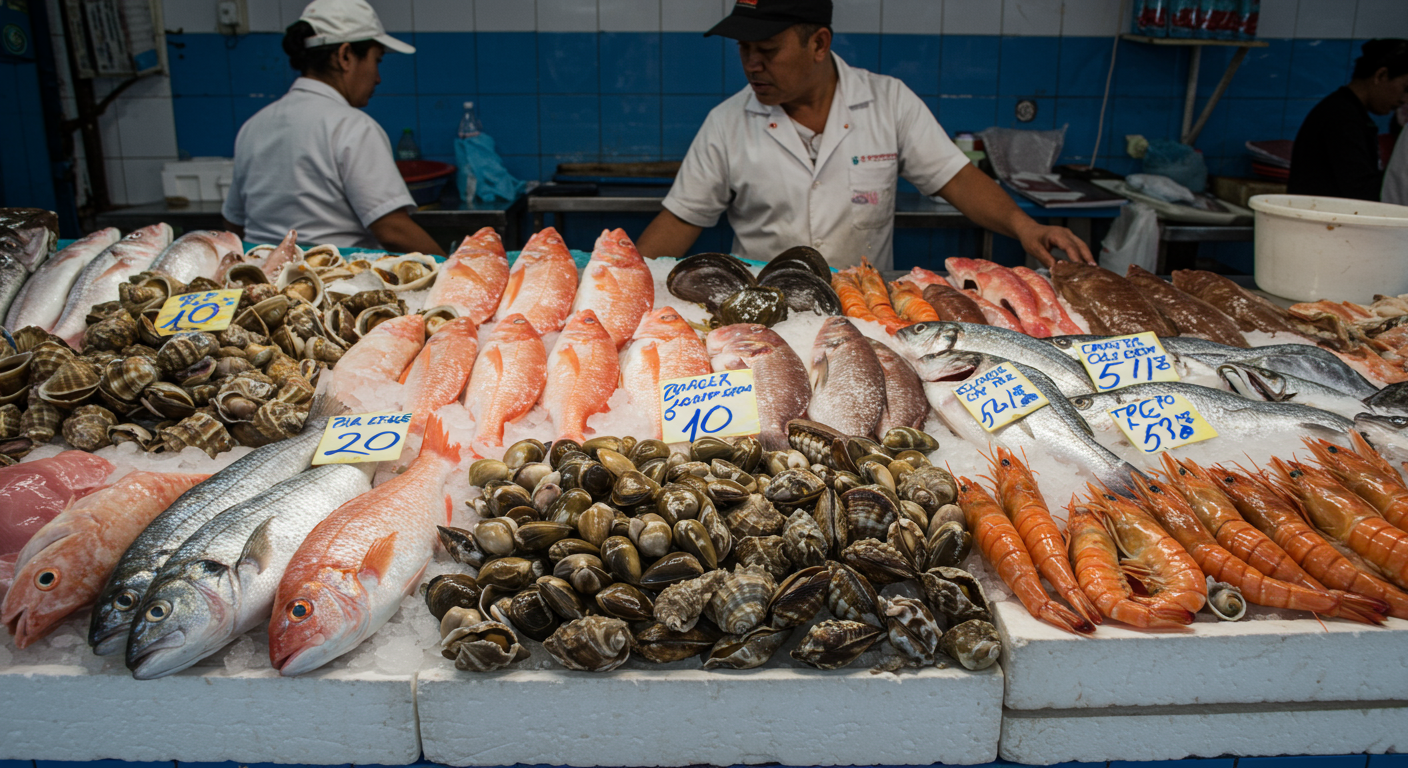
Ecuador's Pacific coastline provides access to some of the world's freshest seafood, but knowing how to identify truly fresh catches is essential for both safety and flavor. In tropical climates, seafood deteriorates rapidly, making proper assessment skills crucial for avoiding foodborne illness and ensuring the best dining experience.
The Visual Test: What Fresh Seafood Looks Like
Your eyes provide the first and most reliable indicators of seafood freshness. For whole fish, examine the eyes closely—they should be clear, bright, and slightly bulging. Cloudy, sunken, or filmy eyes indicate the fish has been sitting too long.
Check the gills by lifting the gill covers. Fresh fish displays bright red or pink gills that look moist and clean. Avoid fish with brown, gray, or slimy gills, as these are clear signs of deterioration.
The skin should appear shiny and metallic with tight-fitting scales. Fresh fish flesh looks firm and translucent rather than opaque. Any discoloration, particularly around the belly area, suggests spoilage.
For shellfish like mussels, clams, and oysters, shells should be tightly closed or snap shut when tapped. Open shells that don't respond to gentle tapping indicate the shellfish has died and should be avoided.
The Smell Test: Understanding Ocean-Fresh Aromas
Truly fresh seafood should smell like a clean ocean breeze—briny and mild. The scent should remind you of seawater and fresh sea air, not of "fish."
Strong fishy odors are actually warning signs, not normal characteristics of fresh seafood. The Food and Drug Administration notes that ammonia-like smells, sour odors, or overwhelmingly pungent scents indicate bacterial growth and decomposition.
Ecuador's warm coastal climate accelerates spoilage, making the smell test particularly important. When testing, hold the seafood close to your nose but avoid direct contact to prevent contamination.
The Touch Test: Evaluating Texture and Firmness
Fresh fish flesh should feel firm and elastic. Press gently with your finger—the flesh should spring back quickly without leaving an indentation. Soft, mushy, or sticky textures indicate deterioration.
The surface should feel slippery from natural mucus, but not slimy or tacky. Fish that feels dry or has flesh separating from the bone has likely been stored too long.
For shellfish, they should feel heavy for their size, indicating they're full of water and alive. Light shells often mean the shellfish has died and dried out.
Ecuador-Specific Tips for Coastal Shopping
Ecuador's coastal proximity offers a significant advantage—shorter transport times mean fresher seafood reaches markets quickly. Take advantage of this by shopping early in the morning when vendors receive their freshest deliveries.
Local fishing boats typically return with overnight catches in the early hours, making dawn the optimal time for seafood shopping at coastal markets. Many vendors in places like Puerto López, Salinas, and Manta receive daily deliveries.
Get familiar with Ecuador's common species like corvina, dorado, and prawns. Each has specific freshness indicators—corvina should have particularly bright silver skin, while local prawns should have translucent shells without black spots.
Understanding local fishing patterns helps too. Many Ecuadorian fishing operations work on weekly cycles, with certain days yielding better selections than others.
What to Look for in Storage and Handling
Observe how seafood is displayed and stored. Fish should be buried in fresh, clean ice that doesn't appear yellowed or melted. The ice should completely surround the seafood, not just sit underneath it.
Look for high turnover indicators like busy stalls with frequent customers and vendors regularly restocking displays. Popular vendors often have the freshest inventory because they sell quickly.
Check facility cleanliness including clean cutting surfaces, fresh-looking display cases, and vendors following basic hygiene practices like washing hands and using clean utensils.
Temperature control is crucial in Ecuador's heat. Seafood should be kept consistently cold, and displays should be in shaded areas or refrigerated cases rather than sitting in direct sunlight.
Red Flags: When to Walk Away
Trust your instincts when multiple warning signs appear together. If fish has cloudy eyes and smells strongly fishy, or if shellfish feels light and has gaping shells, look elsewhere.
Don't hesitate to ask vendors about catch dates and sourcing. Reputable sellers should readily share information about when and where their seafood was caught. Evasive answers or claims that everything was "caught this morning" from vendors with large inventories should raise suspicion.
If your preferred type isn't available fresh, consider alternatives rather than settling for questionable quality. Ecuador's waters provide diverse options, so flexibility often leads to better choices.
Practice Makes Perfect
Developing expertise takes practice and observation. Start by applying these tests consistently, even when you feel confident about a vendor. Over time, you'll develop intuition for quality assessment.
Ecuador's incredible coastal bounty offers endless opportunities to enjoy fresh, safe seafood. By mastering visual inspection, smell evaluation, and texture assessment, you can confidently select the finest catches and fully appreciate the country's maritime culinary treasures.