How to Tell If Seafood in Ecuador Is Truly Fresh
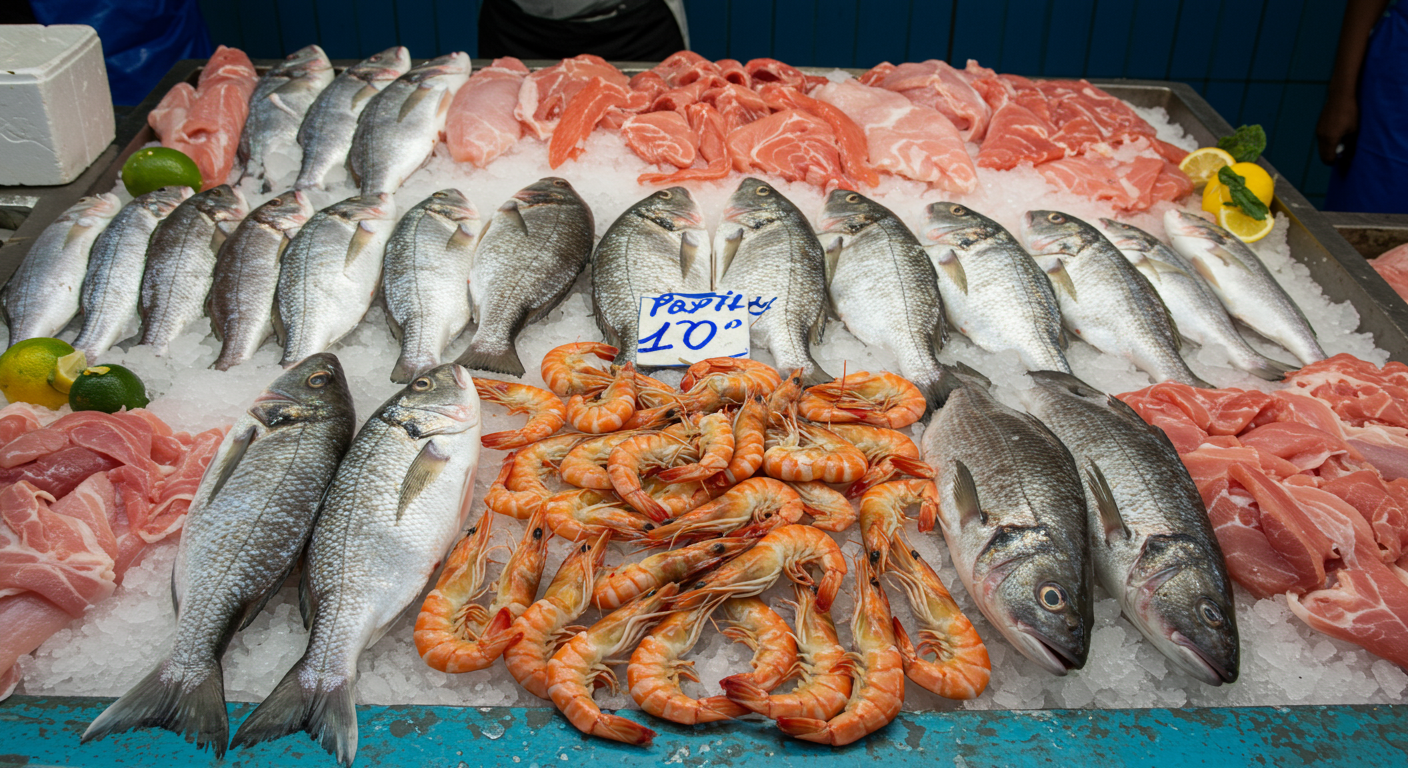
Ecuador's coastal waters provide some of South America's finest seafood, but the tropical climate means freshness can deteriorate rapidly. Whether you're shopping at a bustling Guayaquil market or dining at a seaside restaurant in Manta, knowing how to spot truly fresh seafood is essential for both safety and incredible flavor.
Why Freshness Matters Even More in the Tropics
The warm, humid conditions along Ecuador's coast accelerate seafood spoilage significantly compared to cooler climates. What might stay fresh for days in a temperate environment can become unsafe within hours in tropical heat without proper handling.
Ecuador's Pacific waters offer incredible variety – from massive dorado to delicate langostinos. This abundance gives you access to exceptional seafood, but it also makes distinguishing between today's fresh catch and yesterday's leftovers absolutely crucial.
The Food and Drug Administration notes that consuming compromised seafood in warm climates poses heightened health risks, as bacterial growth accelerates in higher temperatures. Food poisoning that might be unpleasant elsewhere can become seriously debilitating in Ecuador's heat.
The Universal Signs of Fresh Seafood
Fresh fish should have clear, bright eyes that look almost glass-like. Cloudy or sunken eyes mean the fish has been sitting too long. The gills should be bright red or pink – never brown or gray.
Look for shiny, metallic skin with scales that stick firmly to the body. Fresh fish feels firm to the touch, and when you press it gently, the flesh should spring back immediately rather than leaving a dent.
Most importantly, truly fresh seafood should smell like the ocean – clean and briny. Any strong "fishy" smell actually signals decomposition. If you detect unpleasant odors, walk away no matter what the vendor claims.
For shellfish, look for tightly closed shells that snap shut when tapped. According to seafood safety experts, mussels and clams should feel heavy for their size, showing they're full of seawater rather than dried out.
Ecuador's Signature Seafood – What to Look For
Corvina, Ecuador's prized white fish, should have translucent, almost pearlescent flesh when fresh. The fillets should be firm with no separation between muscle segments, and fresh corvina has a subtle, sweet aroma.
Langostinos, those large prawns Ecuador is famous for, should have bright, translucent shells without black spots. Fresh langostinos curl naturally, and their bodies should feel firm. The shells should actually be difficult to peel when raw – easy peeling often means they're not fresh.
Concha negra, the distinctive black clams from Ecuador's mangroves, should be tightly closed. When fresh, they respond to tapping by clamping shut even tighter. Their shells should feel heavy and full of seawater.
Ecuador's dorado should display vibrant golden-yellow coloring with firm, white flesh. The distinctive coloring fades quickly as the fish ages, so pale dorado likely isn't fresh.
Where and When to Find the Freshest Catches
Coastal cities like Guayaquil, Manta, and Esmeraldas have huge advantages in seafood freshness thanks to their proximity to fishing fleets. In these locations, you can often find fish that was swimming just the night before.
Visit markets early in the morning when vendors display their freshest inventory. Many of the best specimens sell by mid-morning, leaving afternoon shoppers with less appealing options.
Look for proper ice coverage – seafood should be nestled in plenty of fresh, clean ice, not just sprinkled with a few melting cubes. The ice should be clear, not cloudy or yellowed.
Don't hesitate to ask vendors when the fish arrived and where it came from. Reputable sellers are proud to discuss their sources and timing. Try asking "¿Cuándo llegó este pescado?" (When did this fish arrive?) and "¿De dónde viene?" (Where does it come from?).
Red Flags That Signal Seafood to Avoid
Cloudy, sunken eyes are immediate warning signs, as are gills that have turned brown, gray, or black. The Centers for Disease Control and Prevention emphasizes that skin should never appear dull, slimy, or have a rainbow-like sheen that indicates bacterial growth.
Any ammonia-like smell is a definitive red flag – this indicates dangerous bacterial decomposition. Similarly, overly "fishy" odors mean the seafood is well past its prime.
Flesh that feels mushy, leaves dents when pressed, or shows signs of separating from bones should be avoided completely. Fresh seafood maintains its structural integrity.
Watch for poor storage practices like seafood sitting in direct sunlight, inadequate ice coverage, or vendors who handle money and seafood with the same unwashed hands.
Making Smart Choices When Dining Out
Choose restaurants that specialize in seafood and have high turnover – this ensures ingredients don't sit around long. Busy establishments near fishing ports typically offer the freshest options.
Order seafood dishes earlier in service when ingredients are at their peak. Many restaurants receive deliveries in the morning, making lunch service optimal for freshness.
When talking with Spanish-speaking staff, useful phrases include "¿Qué pescado es más fresco hoy?" (What fish is freshest today?) and "¿Cuándo llegó el marisco?" (When did the seafood arrive?).
If you're ever unsure about seafood quality, Ecuador offers excellent alternatives like perfectly grilled chicken, tender beef, or the country's famous grilled vegetables that pose no freshness concerns whatsoever.