How to Tell If Seafood in Ecuador Is Truly Fresh
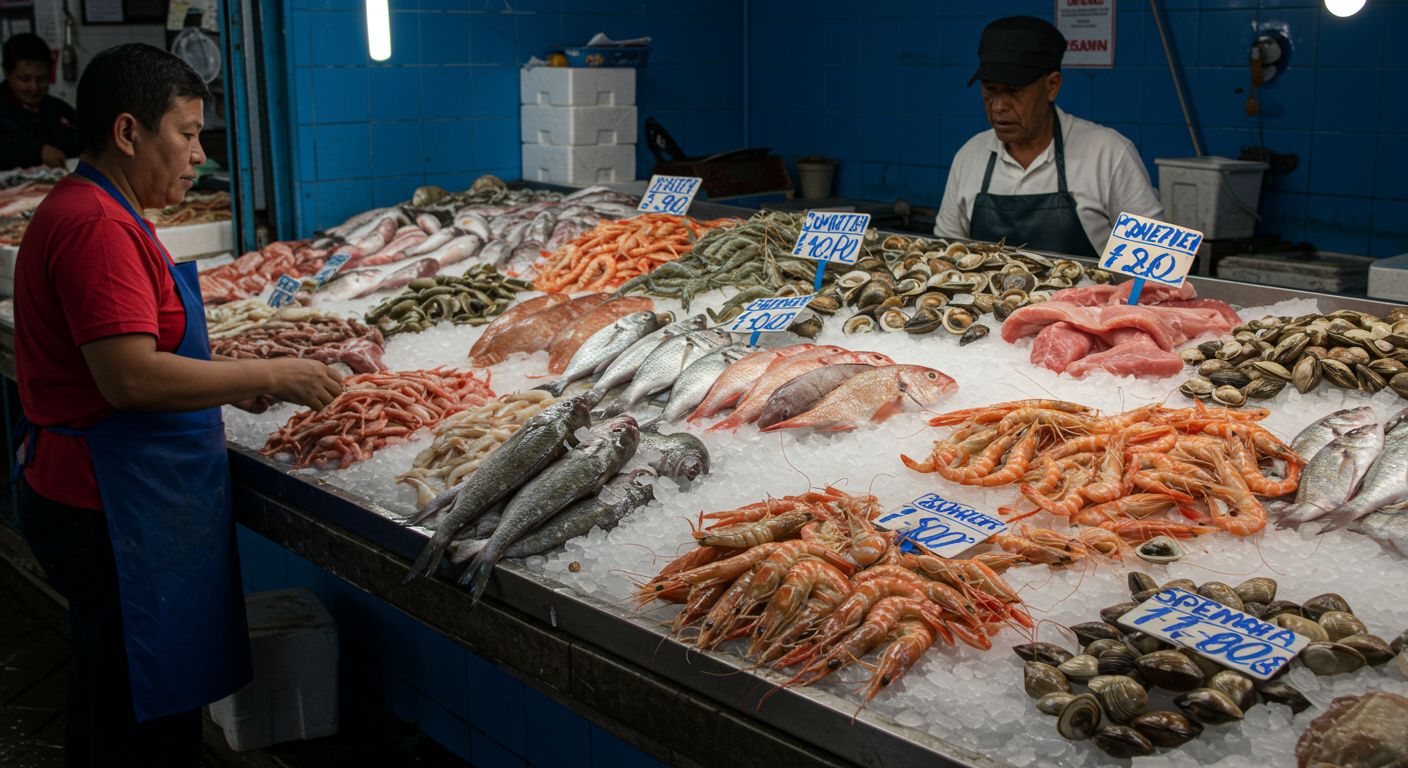
Ecuador is one of South America’s great seafood destinations, but being near the coast does not automatically guarantee freshness. Whether you are ordering ceviche at a busy lunch spot or buying fish at a market, true freshness depends on handling, storage, temperature control, and how quickly the product moves from seller to customer.
The good news is that you can spot a lot before taking the first bite. A few simple checks can help you tell the difference between seafood that looks vibrant and well cared for and seafood that may have been sitting too long.
Start With the Smell
One of the easiest tests is smell. Fresh seafood should have a mild, clean scent that reminds you of the sea. It should not smell strongly fishy.
If the odor is sour, stale, or sharp like ammonia, treat that as a serious warning sign. For most people, smell is the clearest clue that something is off. If the aroma makes you hesitate, it is usually smartest to move on.
Check Texture and Surface
Fresh fish should feel firm, not soft or mushy. If you gently press the flesh, it should spring back instead of holding an indentation. The surface should look moist, but not sticky, gummy, or overly slimy.
Dry edges can point to age or poor storage, especially if fillets have been sitting exposed for too long. Mushiness, pooling liquid, or a broken-down appearance are also signs that the seafood is no longer at its best.
What to Look For in Whole Fish
If you are choosing a whole fish, visual clues become even more useful. The eyes should be clear and full, not cloudy, dull, or sunken. The gills should look bright red or pink rather than brown, gray, or faded.
The skin should appear shiny and intact. A fresh whole fish usually looks vibrant, not patchy, dried out, or tired. When several of these signs line up, you can feel much more confident about what you are buying.
Look at the Cold Chain
Appearance matters, but temperature matters just as much. Seafood should be kept very cold, ideally on plenty of clean ice or under reliable refrigeration. If fish is sitting out in a warm display or on sparse, melting ice, freshness is harder to trust.
In restaurants, you may not always see the storage area, but you can still spot clues. Raw seafood waiting for service should appear properly chilled, and staff should not leave it exposed at room temperature for long. Good cold-chain habits are essential for both quality and safety.
Pay Attention to Handling and Cleanliness
Clean surroundings usually go hand in hand with better seafood care. Look for tidy counters, clean utensils, and display cases that appear well maintained. Staff should handle seafood carefully and avoid obvious cross-contamination with other foods or dirty surfaces.
Even very fresh fish can be undermined by poor sanitation. A clean operation suggests the business takes storage, preparation, and turnover seriously.
Choose Places With Fast Turnover
Busy seafood restaurants, cevicherías, and market stalls often have an advantage: they move product quickly. High turnover usually means seafood spends less time in storage or on display. That does not guarantee excellence, but it is often a better bet than a quiet place with a long seafood menu and few customers.
It also helps to favor places known for seafood. If fish and shellfish are a specialty rather than an afterthought, the odds are better that the kitchen or vendor buys more often and handles the product with greater care.
Questions Diners Can Ask
You do not need to sound demanding to get useful information. Simple questions can tell you a lot. Ask what fish came in that day or which seafood dishes are most popular. A confident, direct answer is usually a good sign.
If you are ordering a whole fish or shellfish, it can also be reasonable to ask to see it before preparation. In many places, that is a normal request and gives you a chance to check its appearance for yourself.
Red Flags That Should Make You Pass
Some warning signs are hard to ignore: strong off odors, cloudy eyes, dull skin, brown gills, mushy flesh, or seafood displayed without enough ice. Add careless handling or an unclean prep area, and the risk is not worth it.
Another subtle red flag is a nearly empty restaurant trying to sell a wide range of seafood. If there is little turnover, even good ingredients can spend too long waiting to be served.
The Smartest Rule: Use Several Signs at Once
No single clue tells the whole story. The best approach is to combine what you can observe: smell, texture, visual appearance, chilling, cleanliness, and how busy the seller seems to be. When most of those signs look good, you are far more likely to get seafood that is truly fresh.
In Ecuador, where seafood is abundant and often excellent, a little attention goes a long way. Trust your senses, watch how the product is handled, and choose places that treat seafood like the main event.