How to Tell If Seafood in Ecuador Is Truly Fresh
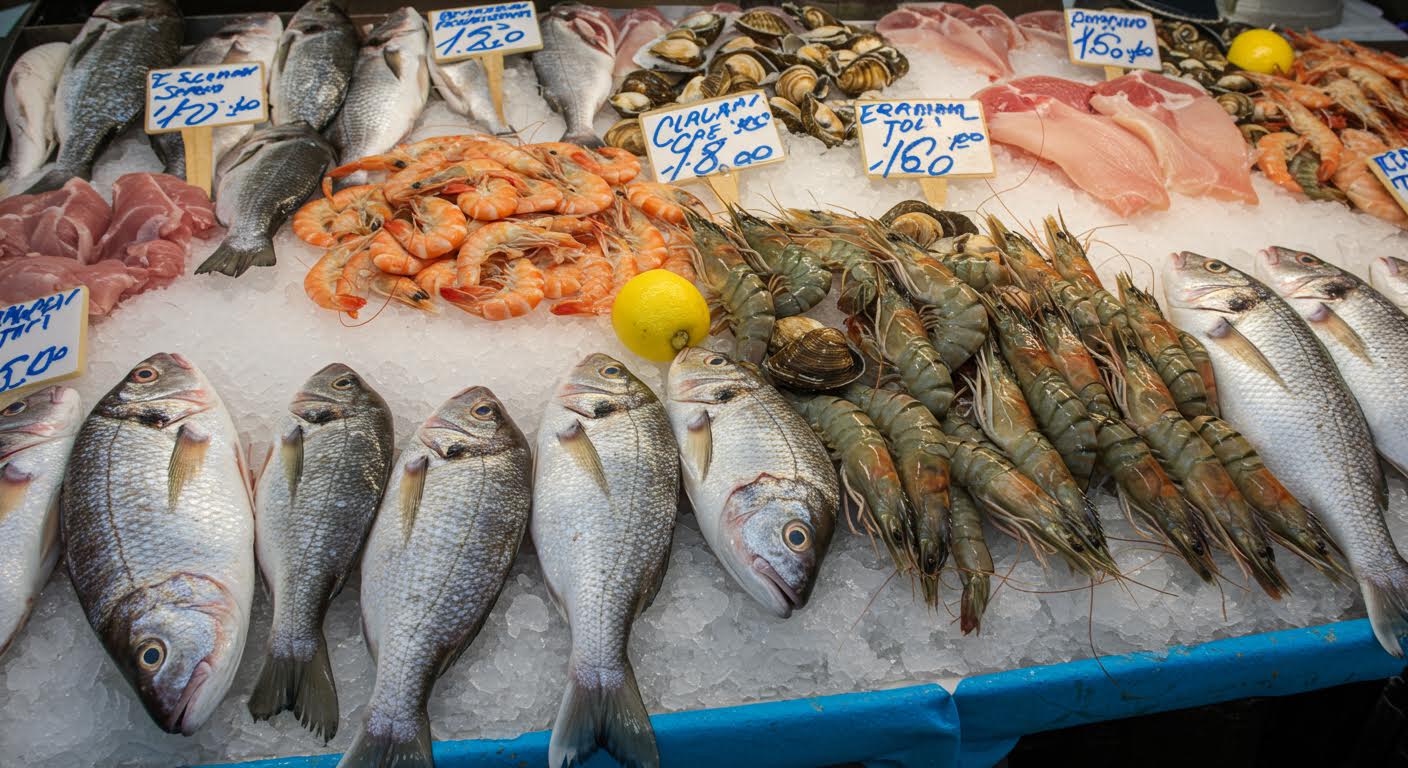
Ecuador's Pacific coastline delivers some of South America's most incredible seafood, with daily catches bringing everything from local corvina to Galápagos-influenced species straight to markets and restaurants. But here's the thing: Ecuador's warm climate and the varying distances from coast to inland cities make knowing how to spot truly fresh seafood absolutely essential—both for your safety and your taste buds.
Ecuador's Amazing Seafood Scene
Thanks to its Pacific Ocean access, Ecuador enjoys incredible marine biodiversity. The cold Humboldt Current mixing with the warm Panama Current creates perfect conditions for an amazing variety of fish. Plus, the influence of the Galápagos ecosystem brings unique species and exceptional quality to mainland markets.
Most local fishing boats follow daily cycles, returning in the early morning hours. This timing matters big time—the freshest catches typically hit markets between 6 AM and 10 AM. And here's something crucial to remember: Ecuador's tropical climate means seafood goes bad much faster than it would in cooler places, making proper handling and cold storage absolutely critical.
What Fresh Seafood Actually Looks Like
When you're checking out whole fish, start with the eyes. They should be crystal clear and bright, almost glassy-looking. The pupils need to be black and prominent—never cloudy or sunken in. Fresh fish gills are bright red or pink, never brown or gray, and the scales should be firmly attached with that natural metallic shine.
For fish fillets, you want uniform color with no brown spots, yellowing, or that weird rainbow shimmer around the edges. The flesh should look firm and moist, not dried out or starting to separate into flakes.
With shellfish like mussels, clams, and oysters, look for tightly closed shells, or shells that snap shut quickly when you tap them. Any that stay open are probably dead—skip those entirely. Shrimp and prawns should have translucent shells and maintain their natural curved shape. If they're all straightened out, they've likely been frozen and thawed.
The Smell Test: Your Best Friend
Here's your most reliable freshness test: fresh seafood should smell clean and briny, like ocean water on a beautiful day. That's it. According to food safety experts, any seafood with a distinctly "fishy" smell, sour odors, or anything resembling ammonia should be avoided completely.
In Ecuador's warm climate, this smell test becomes even more critical since spoilage happens lightning-fast. What might pass in cooler climates is a serious red flag in tropical conditions. You're looking for clean, slightly salty ocean scents—not sharp, unpleasant odors that signal bacterial growth.
Bottom line: trust your nose. If something smells off, it probably is.
The Touch Test: Feel for Quality
Fresh fish flesh should feel firm and bounce back when you press it gently with your finger. If your finger leaves a dent or the flesh feels mushy, that fish has seen better days. The skin should feel smooth and naturally slippery, not sticky or slimy.
Shellfish should feel heavy for their size—that means they're full of water and still alive. Live shellfish will respond to your touch by closing up tighter or showing slight movement.
Temperature check: everything should feel cold to the touch. In Ecuador's warm climate, seafood that feels room temperature or warm has definitely been sitting around too long without proper refrigeration.
Smart Shopping in Ecuador
Hit those coastal markets early—ideally between 6 AM and 10 AM when the overnight catches roll in. Great markets in Guayaquil, Manta, and Esmeraldas get their freshest selections during these morning hours.
Don't be shy about asking vendors when their seafood arrived and where it was caught. Good vendors are proud to share this info and will tell you gladly. Look for vendors who properly display their seafood on ice, not just sitting out at room temperature.
When dining out, check the seafood display if you can see it, and definitely ask about the day's freshest options. Many coastal restaurants get deliveries twice daily and can tell you exactly what just came in.
Stick with local species that don't need to travel far. Corvina, dorado, and local shrimp varieties are usually your best bets for peak freshness, especially when you're eating inland.
Keeping It Cold in the Heat
Proper ice display is absolutely non-negotiable in Ecuador's climate. Seafood needs to be buried in ice, not just casually placed on top. The ice should look clean and fresh—not melted into a gross puddle.
Ecuador's warm weather means seafood spoils way faster than in cooler places. What might stay good for two days up north might only last one day here in the heat.
If you're buying seafood that's traveled from the coast to cities like Quito or Cuenca, ask about transportation methods and timing. The best suppliers use refrigerated trucks and can tell you exactly when their seafood left the coast.
Planning to cook at home? Buy your seafood the same day you'll prepare it, and get it home in a cooler with ice if possible.
Master these freshness signs and understand Ecuador's unique seafood scene, and you'll be able to enjoy the country's incredible marine bounty safely and at its absolute peak deliciousness.