How to Spot Low-Quality Ingredients When Dining Out
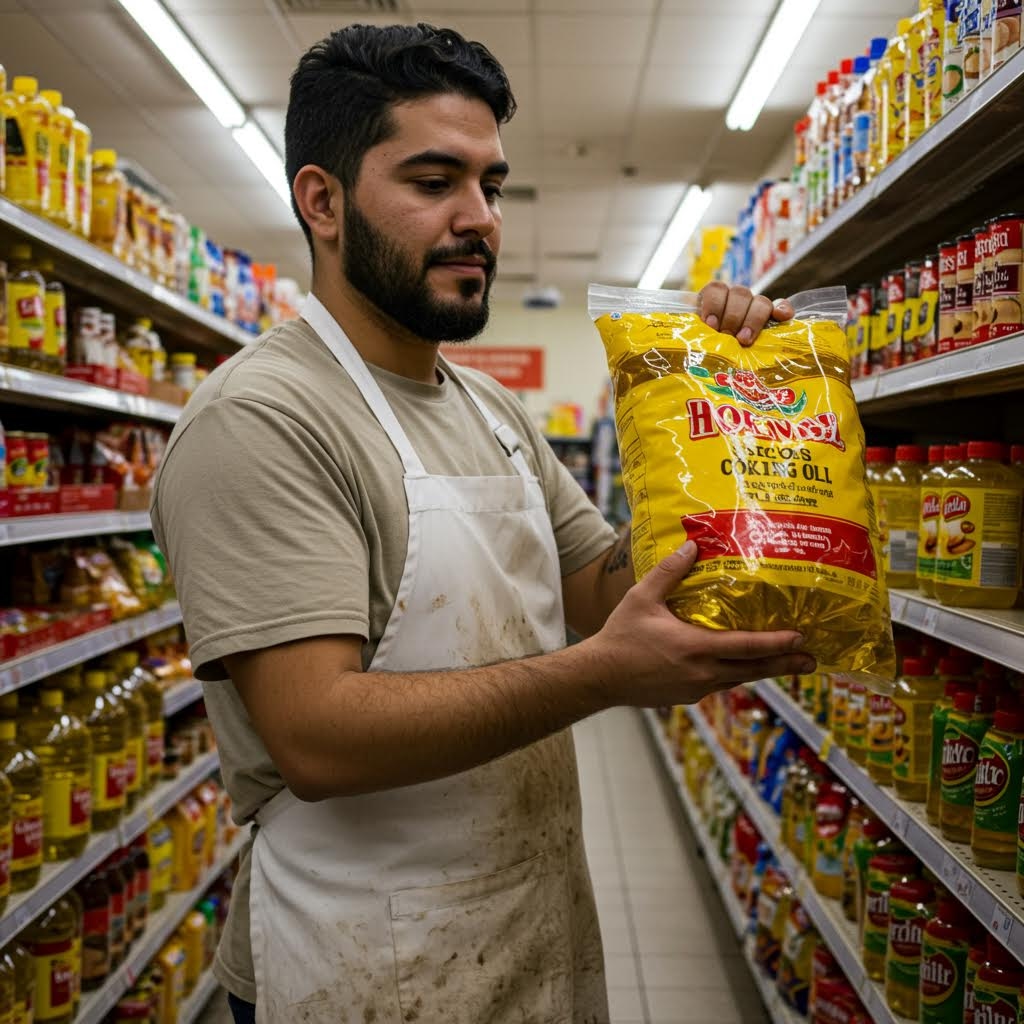
Whether you're scanning a menu or grabbing packaged foods, knowing how to spot low-quality ingredients can transform your dining experience. The ability to identify red flags in food preparation and labeling helps you make smarter choices that benefit both your health and taste buds.
Cracking the Code on Food Labels
Food labels tell a story—you just need to know how to read it. Ingredients appear in order of weight, so the first three items typically make up most of what you're eating. If sugar, sodium, or unrecognizable chemicals top the list, that's your first red flag.
Watch out for sneaky marketing language. "Made with whole grains" might mean the product contains only a sprinkle of whole wheat flour, while "natural flavor" can involve synthetic processing that's anything but natural. The FDA allows these terms, but they don't guarantee quality.
Focus on the nutrition panel for additional clues. Products with sky-high sodium levels, excessive added sugars, or ingredient lists that read like a chemistry textbook usually signal lower quality. The best foods have short, pronounceable ingredient lists featuring real food items.
Spotting the Biggest Red Flags
Certain ingredients consistently appear in low-quality foods and deserve your attention. Preservatives like BHT, BHA, and sodium benzoate keep products shelf-stable for months but offer no nutritional value and may cause health issues with regular consumption.
Artificial colors and flavors—often listed as numbered dyes or vague "natural flavoring"—replace real ingredients that would provide actual nutrition and authentic taste. These synthetic additions exist purely for appearance and manufactured flavor.
Sodium hides under many names: monosodium glutamate, sodium phosphate, and disodium guanylate are just a few. Excessive sodium often masks poor-quality ingredients while contributing to health problems down the line.
Trans fats and partially hydrogenated oils represent some of the worst offenders. Even products claiming "0 trans fats" can contain small amounts. Scan ingredient lists for anything "partially hydrogenated" to avoid these harmful fats entirely.
Added sugars appear in countless disguises—high fructose corn syrup, cane juice, maltodextrin, and dozens of other aliases. These empty calories often signal highly processed products with minimal nutritional value.
Recognizing Ultra-Processed Foods
Ultra-processed foods contain ingredients you'd never find in your kitchen and require industrial techniques to create. These products typically feature long ingredient lists packed with chemical names and scientific terminology that would stump most home cooks.
Unnaturally long shelf lives should raise eyebrows. While convenient, products that stay "fresh" for months or years rely heavily on preservatives and processing methods that strip away nutrients and natural flavors.
Quality foods contain recognizable whole food ingredients—items you could buy and use yourself. If you can't pronounce most ingredients or wouldn't know where to purchase them, you're likely looking at an ultra-processed product.
Category-Specific Quality Checks
Different food types have their own quality markers worth learning. Good bread lists whole grain flour first, contains adequate fiber, and avoids excessive preservatives. Quality loaves have shorter ingredient lists and shorter shelf lives—signs of minimal processing.
Meat products can be tricky since processing often introduces nitrates, fillers, and binding agents. The best meat products keep it simple: meat plus basic seasonings, without lengthy lists of additives or chemical preservatives.
Quality dairy products should contain primarily milk plus necessary cultures or enzymes. Avoid items loaded with stabilizers, thickening agents, and artificial additives that mask poor base ingredients.
Snack foods and beverages typically contain the highest concentrations of artificial ingredients and preservatives. Quality alternatives exist but require careful label reading to find options made with whole food ingredients and minimal processing.
Smart Strategies for Restaurant Dining
Restaurant dining presents unique challenges since you can't read ingredient labels. However, smart questions can reveal a lot about ingredient quality. Ask whether dishes are made fresh or reheated from pre-prepared items, and inquire about house-made versus store-bought sauces and marinades.
Menu descriptions offer valuable clues. Terms like "house-made," "fresh," and "locally sourced" often indicate higher quality ingredients. Vague descriptions mentioning "crispy," "creamy," or "golden" without specifics might signal processed components.
Restaurants serious about ingredient quality typically showcase their sourcing practices, mention local suppliers, and can answer detailed questions about preparation methods. They often feature seasonal menus that change based on ingredient availability.
When ingredient information isn't available, stick with simpler preparations featuring fewer components. Grilled, roasted, or steamed dishes with identifiable whole food ingredients generally involve less processing than complex sauces or heavily manipulated preparations.
Developing these skills takes practice, but they quickly become second nature. By understanding labeling tricks, recognizing processing red flags, and asking informed questions when dining out, you'll consistently choose higher quality foods that support better health and more satisfying meals.