How to Spot High-Quality Olive Oil and Avoid Fakes
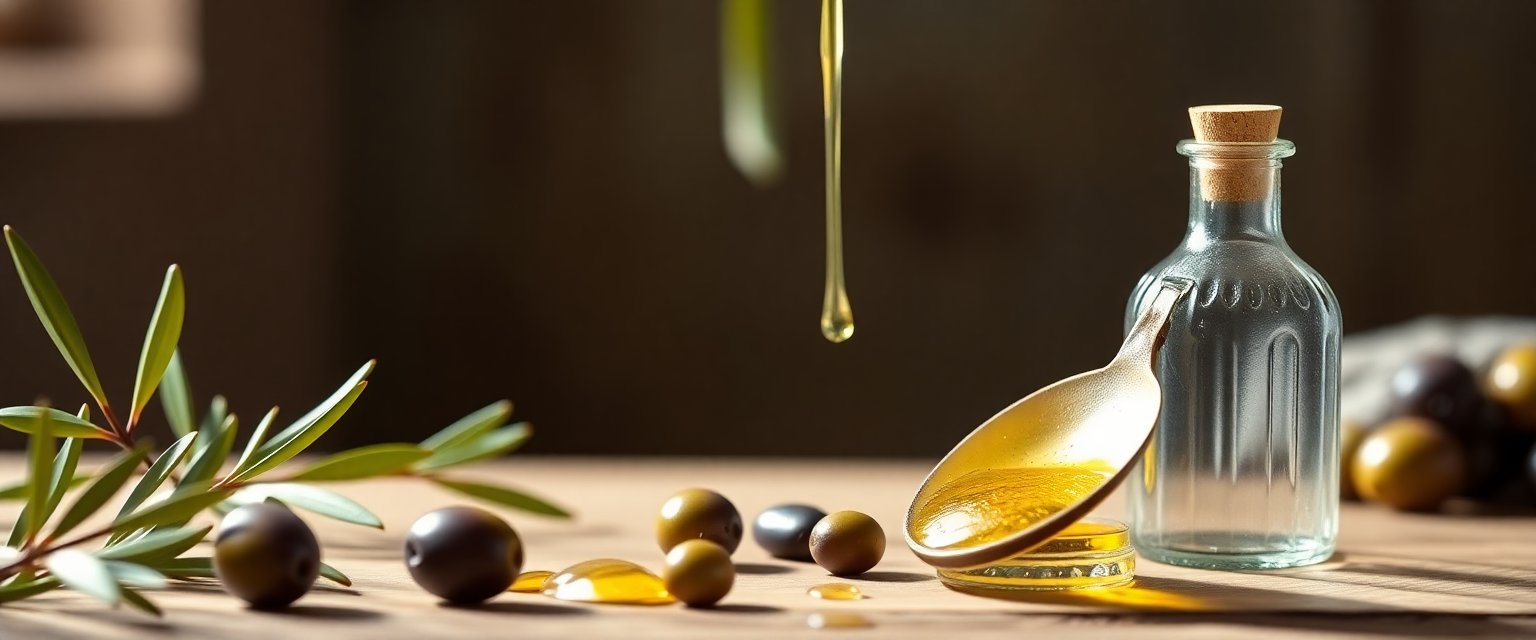
Olive oil ranks among the world's most counterfeited foods, making it crucial for food lovers to distinguish authentic products from inferior imposters. The stakes go beyond just taste—genuine extra virgin olive oil delivers better cooking results, health benefits, and value for your money.
Know Your Olive Oil Grades
Understanding olive oil classifications helps you make informed choices. Extra virgin olive oil represents the gold standard—mechanically extracted without heat or chemicals, with acidity below 0.8%. Virgin olive oil uses similar methods but allows acidity up to 2.0%. Refined olive oil undergoes chemical processing that strips away flavor and nutrition.
Quality extra virgin oil features low acidity (ideally under 0.5%), minimal peroxide levels that indicate freshness, and high polyphenol content for complex flavor and antioxidant power. These technical specs translate directly into superior taste, longer shelf life, and greater health benefits.
Decode Labels Like an Expert
Smart label reading starts with the harvest date—more important than expiration dates. Look for oils bottled within 18 months of harvest. Quality producers display this information prominently, while inferior brands often hide it.
Pay attention to origin details. Protected Designation of Origin (PDO) labels guarantee oils from specific regions made under strict traditional standards. Single-origin labels naming exact farms or regions typically indicate higher quality than vague "Product of Italy" claims, which often just describe where the oil was bottled.
Quality oils come in dark glass bottles or tins that block damaging light. Skip clear containers that expose oil to quality-killing light. Look for certifications from respected organizations like the California Olive Oil Council, but be wary of vague marketing terms like "light" or "pure."
Trust Your Senses
Start your quality assessment with a visual check. While color varies from golden to deep green based on olive variety, good oil should look bright and clear—no cloudiness or floating particles.
For proper tasting, warm a small amount in your palm, swirl to release aromas, then take a small sip while drawing air through your teeth. Quality extra virgin oil delivers fresh, fruity notes reminiscent of olives, plus a pleasant peppery kick in your throat—that's the sign of beneficial polyphenols at work.
Great oils might taste grassy, artichoke-like, or remind you of tomato leaves. Avoid anything musty, rancid, metallic, or completely flavorless—these signal poor storage, contamination, or fake extra virgin oil.
Spot Common Counterfeits
Price often reveals the truth. Authentic extra virgin olive oil costs money to produce—suspiciously cheap prices usually mean inferior or fake products.
Fake origin claims exploit preferences for Italian or Spanish oils through misleading labels. "Imported from Italy" might describe oils from anywhere that were simply bottled in Italy. Real regional oils cost more and provide specific location details.
Sneaky blends mix tiny amounts of olive oil with cheap alternatives like sunflower oil. These products can legally use olive oil branding while delivering poor flavor and nutrition. Always read ingredient lists carefully.
Don't fall for packaging tricks—traditional-looking bottles, Italian-sounding names, and artisanal imagery often disguise mass-produced, low-quality oils.
Shop Smart
Specialty food stores and Mediterranean markets typically maintain higher standards and employ knowledgeable staff who can guide your selection. These retailers often stock smaller-production oils with verified origins and proper storage.
When buying online, choose sellers who provide harvest dates, producer information, and storage tips. Customer reviews mentioning specific flavors and repeat purchases often indicate genuine quality.
Time your purchases with harvest seasons—Northern Hemisphere oils are freshest November through March, while Southern Hemisphere oils peak May through September.
Build relationships with knowledgeable vendors at farmers markets or specialty shops. They'll introduce you to seasonal selections and quality producers before they become widely known.
For budget-conscious shoppers, mid-range oils from reputable producers often deliver better value than premium boutique brands, while rock-bottom prices rarely yield acceptable quality.
Store It Right
Even premium olive oil deteriorates quickly under poor conditions. Store your oil in cool spots (60-70°F), complete darkness, and minimal air exposure. Kitchen cabinets away from the stove work better than countertop storage.
Keep oil in original dark containers or transfer to dark glass bottles with tight caps. Avoid metal containers for long-term storage and never use plastic, which allows air in and absorbs flavors.
Quality olive oil maintains peak characteristics for 12-18 months from harvest when stored properly. Watch for signs of deterioration—loss of peppery sensation, rancid odors, or bland flavor. When oil goes bad, save it for non-cooking uses rather than ruining your dishes.
Buy appropriate quantities for your usage. Smaller bottles ensure faster turnover and consistent freshness unless you're a heavy user who can quickly consume larger containers.