How to Identify High-Quality Olive Oil and Avoid Counterfeit Products
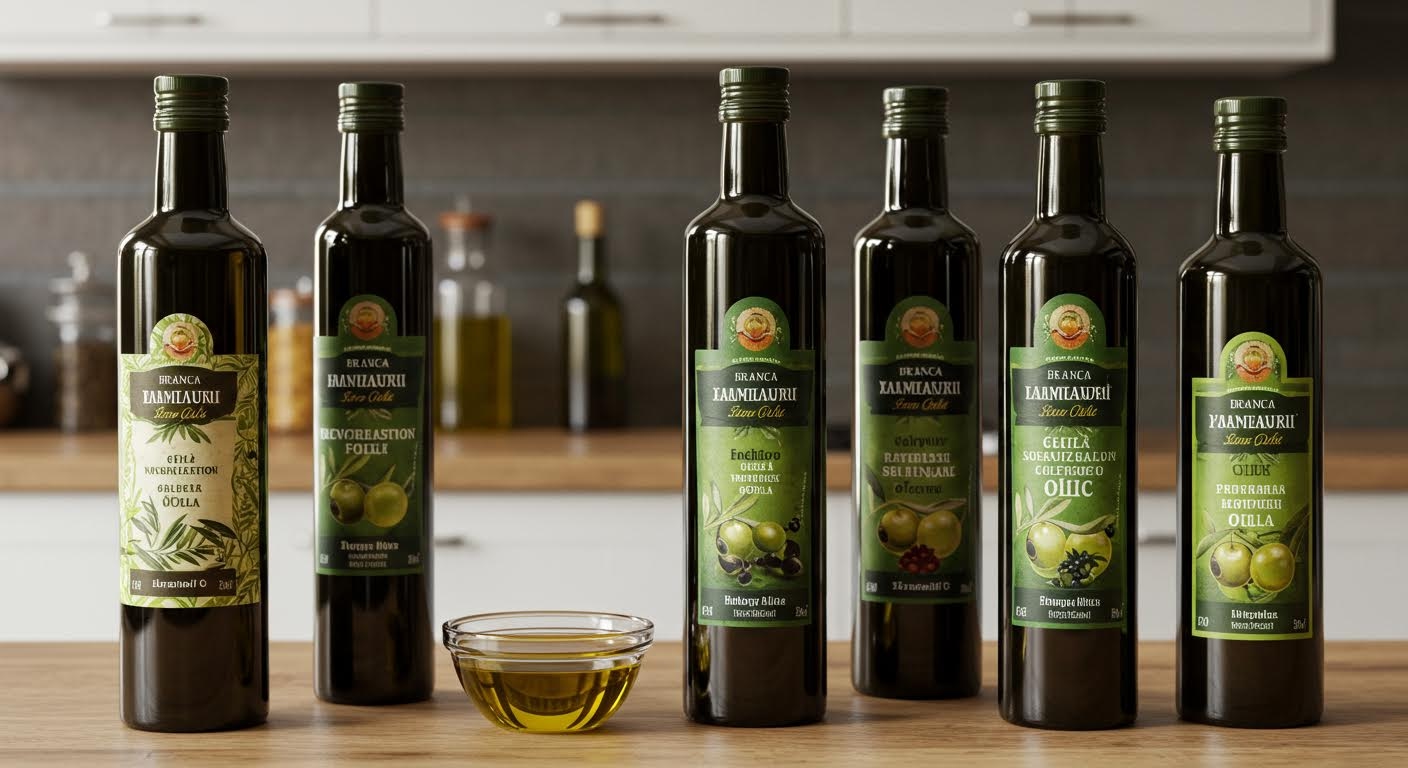
With olive oil fraud costing consumers millions annually and substandard products flooding the market, knowing how to identify authentic, high-quality olive oil has become essential for discerning diners and home cooks. Understanding the key indicators of quality and authenticity can help you avoid disappointing purchases and ensure you're getting the flavor and health benefits you're paying for.
Understanding Olive Oil Quality Grades and Standards
The term "extra virgin" isn't just marketing—it represents specific quality standards established by the International Olive Oil Council. Authentic extra virgin olive oil must be extracted using only mechanical means without heat or chemicals, contain less than 0.8% free acidity, and pass rigorous sensory tests for flavor and aroma.
The hierarchy of olive oil quality starts with extra virgin at the top, followed by virgin olive oil (higher acidity up to 2%), and refined olive oils at the bottom. Products labeled as "light," "pure," or simply "olive oil" are typically refined oils that have been chemically processed and stripped of most flavor and nutritional benefits.
Acidity levels serve as a crucial quality indicator. Lower acidity generally indicates fresher olives processed more quickly after harvest, resulting in better flavor and longer shelf life. Premium extra virgin oils often contain acidity levels well below the 0.8% maximum threshold.
Essential Label Information to Look For
The harvest date matters more than the expiration date when evaluating olive oil quality. Fresh olive oil should ideally be consumed within 18-24 months of harvest, and the best producers prominently display harvest dates rather than relying solely on generic "best by" dates that can be misleading.
Single-origin oils from specific regions or estates typically offer better quality control than blended products from multiple countries. Look for detailed producer information including the mill name, location, and contact details—reputable producers are proud to share their identity and welcome customer inquiries.
Proper packaging provides important quality clues. High-quality olive oil should come in dark glass bottles, metal tins, or other containers that protect against light exposure. Clear glass bottles or plastic containers suggest the producer doesn't prioritize quality preservation.
Legitimate certifications to look for include PDO (Protected Designation of Origin), PGI (Protected Geographical Indication), and organic certifications from recognized bodies. Be wary of vague quality claims or certifications from unknown organizations.
Recognizing Counterfeit and Low-Quality Products
Olive oil counterfeiting often involves mixing cheaper vegetable oils with small amounts of olive oil, or selling lower-grade oils with premium labels. Suspiciously low prices for products claiming to be extra virgin should raise immediate red flags—quality olive oil requires significant resources to produce.
Fake Italian branding represents a common deception, with products featuring Italian-sounding names, flag imagery, and references to Italian regions despite being produced elsewhere or blended with oils from multiple countries. Always check the actual country of origin rather than relying on package imagery.
Mass market brands sold primarily in supermarkets often prioritize shelf stability and cost over quality, sometimes using practices like blending oils from multiple harvests or regions to achieve consistent flavor profiles year-round.
Sensory Testing Techniques for Home Evaluation
Professional olive oil tasting follows specific protocols you can adapt at home. According to Serious Eats, pour a small amount into a clean glass, warm it slightly with your hands, and smell deeply before tasting. Quality extra virgin olive oil should display fruity, grassy, or herbal aromas without any musty or rancid odors.
Authentic extra virgin olive oil typically exhibits a combination of fruity, bitter, and peppery characteristics. The peppery sensation that causes slight throat irritation indicates the presence of beneficial antioxidants and suggests fresh, quality oil.
Common defects to watch for include rancidity (stale, crayon-like taste), mustiness (damp, moldy flavors), and metallic notes. These defects automatically disqualify oil from extra virgin classification and indicate poor handling or processing.
Trust your palate—if olive oil tastes flat, overly greasy, or unpleasant, it likely doesn't meet quality standards regardless of label claims. Quality olive oil should taste vibrant and complex, not bland or off-putting.
Smart Shopping and Storage Strategies
Specialty food stores and gourmet markets typically offer better olive oil selections than general supermarkets, often with knowledgeable staff who can provide guidance. Many specialty retailers also allow customers to taste oils before purchasing.
When shopping online, stick to reputable retailers who specialize in olive oil or work directly with producers. Consumer Reports recommends reading customer reviews carefully and looking for detailed product descriptions including harvest dates and producer information.
Proper storage significantly impacts olive oil quality. Keep oils in cool, dark places away from heat sources, and transfer large containers to smaller bottles as you use them to minimize air exposure. Quality olive oil stored properly can maintain its characteristics for many months.
Expect to pay reasonable prices for quality—while olive oil doesn't need to be extremely expensive to be good, genuine extra virgin oil requires significant production costs. Building relationships with knowledgeable retailers can help you discover reliable brands and seasonal offerings.
Consider purchasing directly from producers when possible, either through their websites or at farmers markets. This approach often provides the freshest oil while supporting small-scale producers committed to quality.