How Safe Is Seafood in Ecuador Compared to Other Countries?
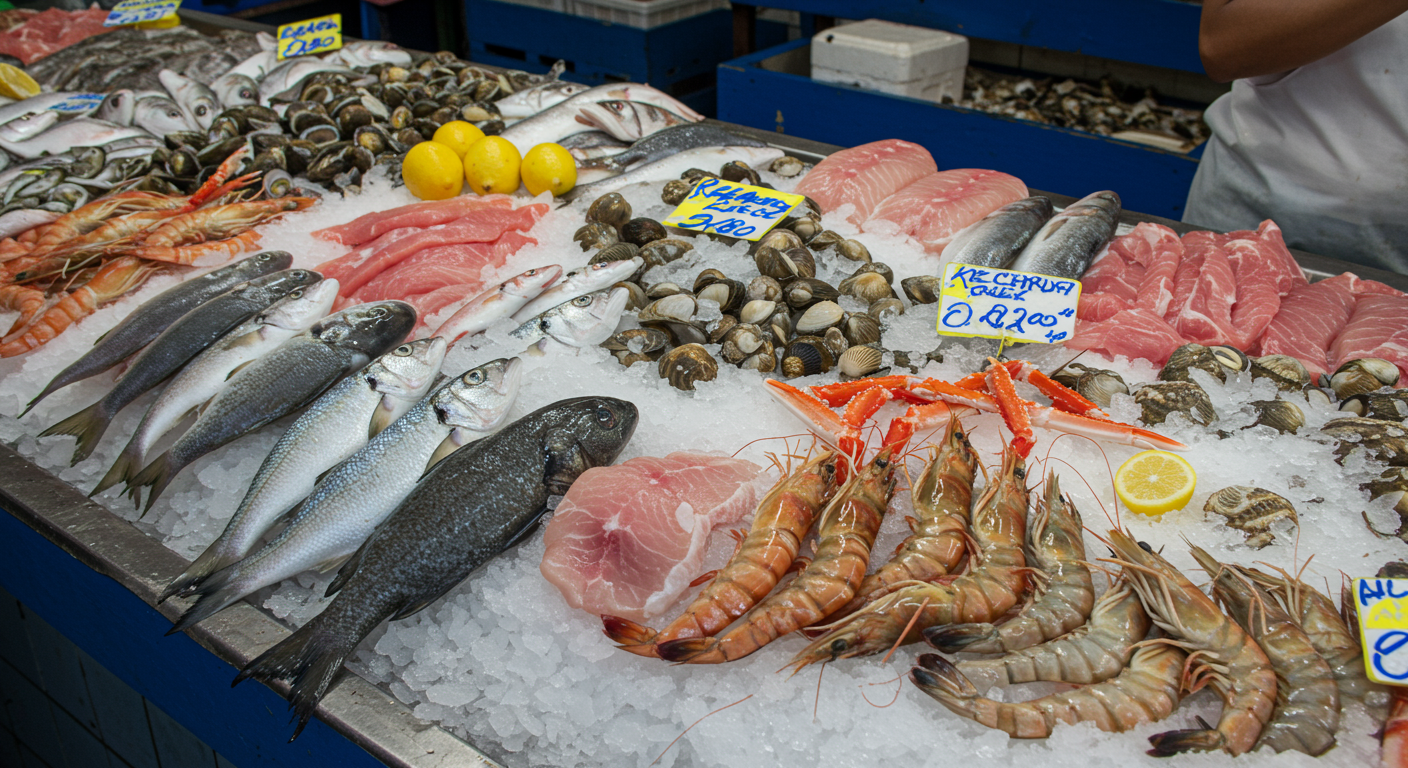
Ecuador's spectacular Pacific coastline delivers some of the world's most delicious seafood—from tangy ceviche to perfectly grilled pescado. But if you're wondering whether it's safe to indulge, you're asking the right question. Let's dive into how Ecuador's seafood safety stacks up against international standards and what you need to know to dine confidently.
How Ecuador Regulates Seafood Safety
Ecuador takes seafood safety seriously, with oversight split between the National Fisheries Institute (INP) and the National Service of Animal and Plant Health (SENASA). These agencies monitor everything from fishing boats to processing plants, working to ensure your dinner meets safety standards.
The good news? Ecuador has made impressive progress aligning its regulations with international standards. The country follows protocols from the Codex Alimentarius Commission and meets export requirements for both the United States and European Union. The catch? Enforcement can be inconsistent, especially in smaller coastal towns where resources are limited.
Recent improvements focus on better tracking systems and stronger inspections at larger facilities. While this benefits commercial operations, smaller fishing operations may still have less consistent oversight—something worth keeping in mind when choosing where to eat.
What Are the Real Health Risks?
The Centers for Disease Control and Prevention offers specific guidance for Ecuador, noting that while foodborne illness risks exist, smart precautions make seafood dining much safer. The main culprits are bacteria like Salmonella and Vibrio species that love warm coastal waters.
Shellfish carry higher risks than regular fish because they filter-feed, potentially concentrating contaminants. That beloved ceviche? It's generally safe when prepared properly with fresh ingredients, but the raw preparation does carry inherent risks that vary with freshness and handling.
Timing matters too. Warmer months mean more bacterial growth, so extra caution during Ecuador's hot season makes sense. During El Niño events, which dramatically affect Ecuador's coastal waters, marine ecosystems get disrupted and additional care is wise.
Environmental Factors That Matter
Ecuador's coastline faces real environmental challenges that impact seafood quality. Cities like Guayaquil and Manta deal with varying levels of coastal pollution from industrial runoff and wastewater—factors that can affect nearby seafood quality.
While Ecuador's water monitoring systems are improving, they don't yet match the comprehensive surveillance you'll find in countries like Norway or Japan. The silver lining? Remote fishing areas often have excellent water quality due to minimal industrial activity, while urban coastal zones require more careful restaurant selection.
Climate change is also shifting marine ecosystems along Ecuador's coast, with rising temperatures and changing currents affecting both marine life and potentially harmful organisms.
How Does Ecuador Compare Globally?
Ecuador sits in the middle tier when compared to major seafood-producing nations. The country's seafood export rejection rates by international authorities give us a useful benchmark for quality control effectiveness.
Ecuador generally outperforms some regional neighbors in meeting international standards, especially for export-quality seafood. However, it typically ranks below developed nations like Canada, Australia, and Nordic countries in comprehensive monitoring and enforcement.
Ecuador's shrimp industry stands out as a success story, having invested heavily in safety protocols to maintain international market access. This sector often demonstrates higher safety standards than the broader seafood industry.
Your Guide to Safe Seafood Dining
Want to enjoy Ecuador's amazing seafood safely? Start with busy restaurants that have high turnover—fresh ingredients are your friend. Places that attract both locals and tourists usually maintain solid safety practices.
For shellfish and raw dishes like ceviche, stick with established restaurants in main areas rather than beachside vendors with questionable refrigeration. Well-known cevicherías in major cities typically follow better safety protocols than informal beach stands.
When in doubt, go cooked. Grilled, fried, or thoroughly cooked fish dishes are your safest bet, especially if you have a sensitive stomach or compromised immune system.
Consider your personal health situation. If you have digestive issues or take medications that affect stomach acid, you might want to be extra cautious with raw preparations. There's no shame in playing it safe—Ecuador's cooked seafood is absolutely delicious.