How Safe Is Seafood in Ecuador Compared to Other Countries?
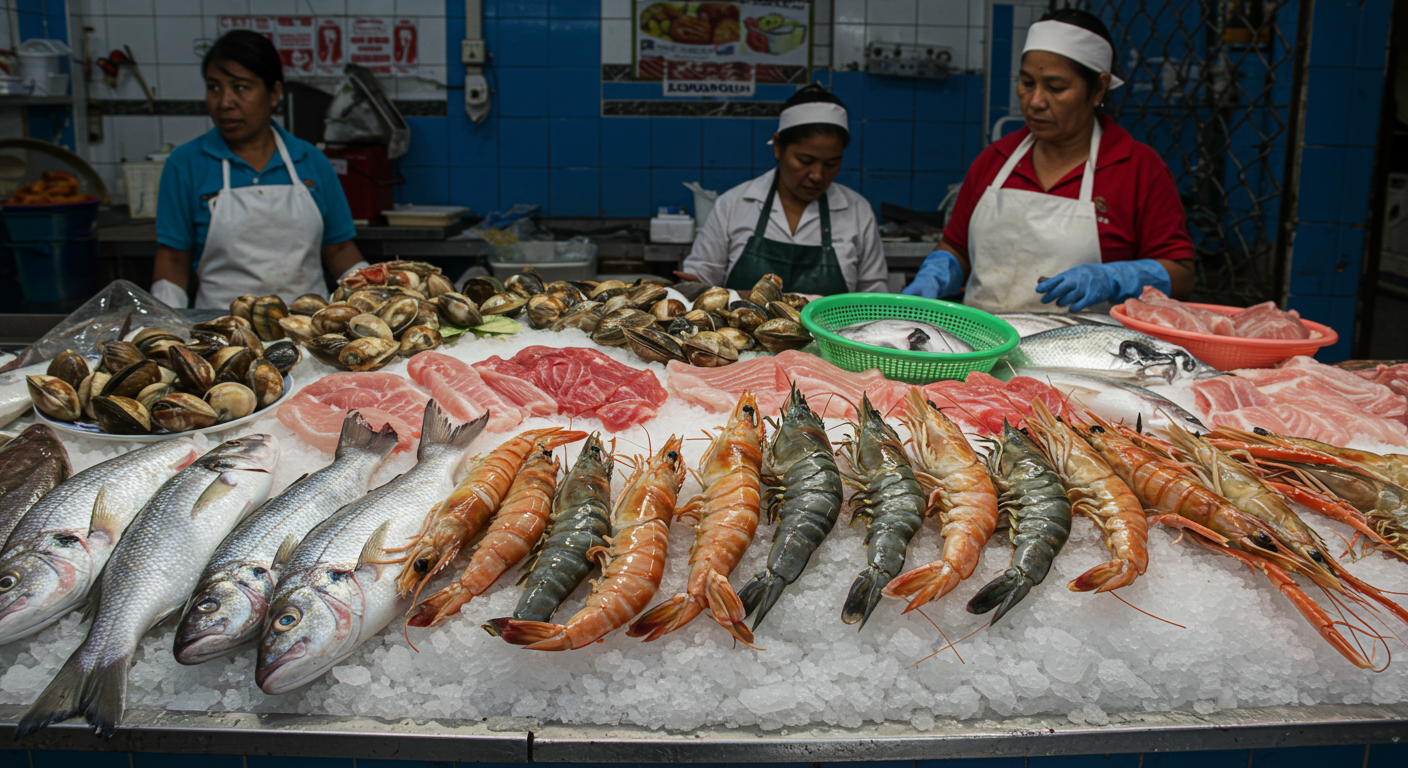
Ecuador's vibrant seafood culture draws visitors from around the world to sample everything from fresh ceviche to grilled shrimp along its Pacific coast. But how safe is Ecuadorian seafood compared to international standards? Understanding the regulatory frameworks, safety protocols, and comparative risk factors can help both residents and travelers make informed dining decisions.
Understanding Global Seafood Safety Standards
International seafood safety standards are set by the World Health Organization and the Food and Agriculture Organization. These organizations establish baseline criteria for contamination levels, processing standards, and handling protocols that form the foundation of food safety worldwide.
The global gold standard for seafood safety is the Hazard Analysis Critical Control Points (HACCP) system, which identifies potential hazards throughout the seafood supply chain. This systematic approach addresses biological, chemical, and physical hazards from harvest to your plate.
Key factors that determine seafood safety across countries include water quality in fishing areas, processing facility standards, cold chain management, and regulatory oversight. Contamination risks vary significantly by region based on industrial pollution, agricultural runoff, and local fishing practices.
Ecuador's Seafood Industry and Safety Framework
Ecuador boasts one of South America's most celebrated seafood cultures, with a thriving industry built around Pacific coast fishing and aquaculture. The country is renowned for its shrimp farming industry, which ranks among the world's largest exporters, along with traditional fishing for tuna, mahi-mahi, and other Pacific species.
The Ecuadorian government regulates seafood safety through multiple agencies, including the National Institute of Fishing and the Agency for Regulation and Control of Animal and Plant Health (AGROCALIDAD). These organizations implement food safety protocols aligned with international standards, particularly for export products that must meet stringent requirements from importing countries.
Ecuador's export-oriented seafood industry maintains high standards for products destined for international markets, including the United States, Europe, and Asia. However, domestic market regulations may have different enforcement levels and oversight intensity compared to export standards.
Safety considerations differ between coastal and inland areas. Coastal regions benefit from direct access to fresh catches and established processing infrastructure, while inland areas rely on transportation and cold chain management to maintain seafood quality.
How Ecuador Stacks Up Against Other Countries
When compared to developed nations like the United States, European Union countries, and Japan, Ecuador's seafood safety presents a mixed picture. Export-quality products from established processors generally meet international safety standards, while domestic market products may have more variable quality control.
Scientific studies on contamination levels show that Ecuadorian seafood from reputable sources typically falls within acceptable ranges for mercury, bacterial contamination, and other safety metrics. However, products from unregulated sources or informal markets may present higher risks.
Compared to regional neighbors in Latin America, Ecuador's established export industry and regulatory framework place it among the better-performing countries for seafood safety. The country's significant investment in aquaculture infrastructure and processing facilities has improved overall safety standards.
Specific safety concerns include mercury levels in large predatory fish, bacterial contamination in improperly handled products, and parasite risks in raw preparations. These risks are comparable to or lower than many other seafood-producing regions when proper handling and preparation methods are followed.
What Travelers Should Know About Risk Factors
Certain types of seafood present higher risks than others in Ecuador. Large predatory fish like shark and some tuna species may contain elevated mercury levels, while shellfish and raw preparations require particular attention to sourcing and handling.
Preparation methods significantly impact safety. Properly cooked seafood poses minimal risk, while raw preparations like ceviche require extremely fresh fish and proper acid treatment to reduce bacterial and parasite risks. Traditional ceviche preparation using citrus acid helps eliminate many pathogens when done correctly.
Restaurant safety varies considerably between established establishments and street vendors. High-end restaurants and those serving tourists typically maintain better cold chain management and hygiene standards, while street vendors may have more variable safety practices.
Seasonal variations affect seafood safety, with warmer months potentially increasing bacterial growth risks and certain times of year associated with algal blooms or other environmental factors that can impact seafood quality.
Your Guide to Safe Seafood Dining in Ecuador
When choosing seafood establishments in Ecuador, look for restaurants with high turnover, proper refrigeration displays, and clean preparation areas. Establishments that cater to discerning local clientele often maintain high standards.
Ask about sourcing and preparation timing when ordering seafood. Fresh catches should be consumed quickly, and reputable establishments should be able to discuss their sourcing practices. Avoid seafood that has been sitting out without proper temperature control.
Warning signs to avoid include seafood with strong fishy odors, slimy texture, or discolored appearance. In raw preparations, the fish should look translucent and fresh, not opaque or dry. Avoid establishments with poor general cleanliness or questionable food handling practices.
If you experience food poisoning symptoms after consuming seafood, seek medical attention promptly. Stay hydrated and consider consulting healthcare providers familiar with local conditions. Most seafood-related illnesses are treatable when addressed quickly.
Overall, Ecuador's seafood can be safely enjoyed by following basic food safety principles and choosing reputable establishments. The country's celebrated seafood culture reflects generations of knowledge about safe preparation and consumption practices.