How Safe Is Seafood in Ecuador Compared to Other Countries?
Ecuador's coastal waters deliver some of the freshest seafood you'll find anywhere. From the iconic ceviche to perfectly grilled corvina, seafood defines Ecuadorian cuisine. But if you're planning to dive into these ocean-to-table experiences, you're probably wondering: just how safe is the seafood here compared to what you're used to back home?
Ecuador's Seafood Industry and Safety Standards
Ecuador isn't just a small player in the global seafood game—it's actually one of the world's top exporters, especially for shrimp, tuna, and white fish. That's partly because the country takes its seafood seriously, with agencies like SENASICA overseeing safety protocols for both local consumption and international markets.
The bigger processing facilities, particularly those shipping overseas, operate under strict Hazard Analysis Critical Control Points systems and often hold ISO certifications. These aren't just fancy certificates on the wall—they represent real safety standards that match what you'd expect from top-tier international operations.
Ecuador's main fishing regions—Manabí, Esmeraldas, and Guayas provinces—all maintain water quality monitoring and safety oversight. The facilities focused on export markets typically maintain the highest standards since they have to meet the demanding requirements of international buyers.
How Ecuador Stacks Up Internationally
The World Health Organization sets the global playbook for seafood safety, covering everything from proper storage temperatures to cooking methods that prevent foodborne illness. These guidelines form the foundation for national food safety programs worldwide.
In the United States, USDA protocols require strict temperature controls, regular inspections, and comprehensive tracking systems. The European Food Safety Authority maintains equally rigorous standards, with additional requirements for contaminant testing and environmental monitoring.
Here's where it gets interesting: Ecuador's export-quality seafood generally meets these same international standards because it has to—importing countries won't accept anything less. The main difference you'll notice is that domestic market oversight can be more relaxed than what you might expect if you're coming from heavily regulated markets like the US or EU.
What Health Experts Say About the Risks
The Centers for Disease Control and Prevention offers specific guidance for Ecuador travelers, acknowledging that foodborne illness risks do exist, particularly with seafood and other perishables. The most common issues stem from improper storage or preparation, especially in areas where refrigeration infrastructure might be limited.
Water quality plays a huge role in seafood safety along Ecuador's coast. While major commercial fishing areas maintain good standards, some smaller coastal communities face water quality challenges that can affect locally caught seafood.
The CDC recommends standard travel health precautions, including routine vaccinations and potentially hepatitis A vaccination for added protection against foodborne illnesses. Your individual health status and risk tolerance should definitely factor into your decisions about raw or lightly cooked seafood.
Location Matters: Regional Differences
Not all seafood experiences in Ecuador are created equal. Major cities like Quito and Guayaquil typically have better refrigeration infrastructure and more regulated restaurant environments compared to smaller coastal towns.
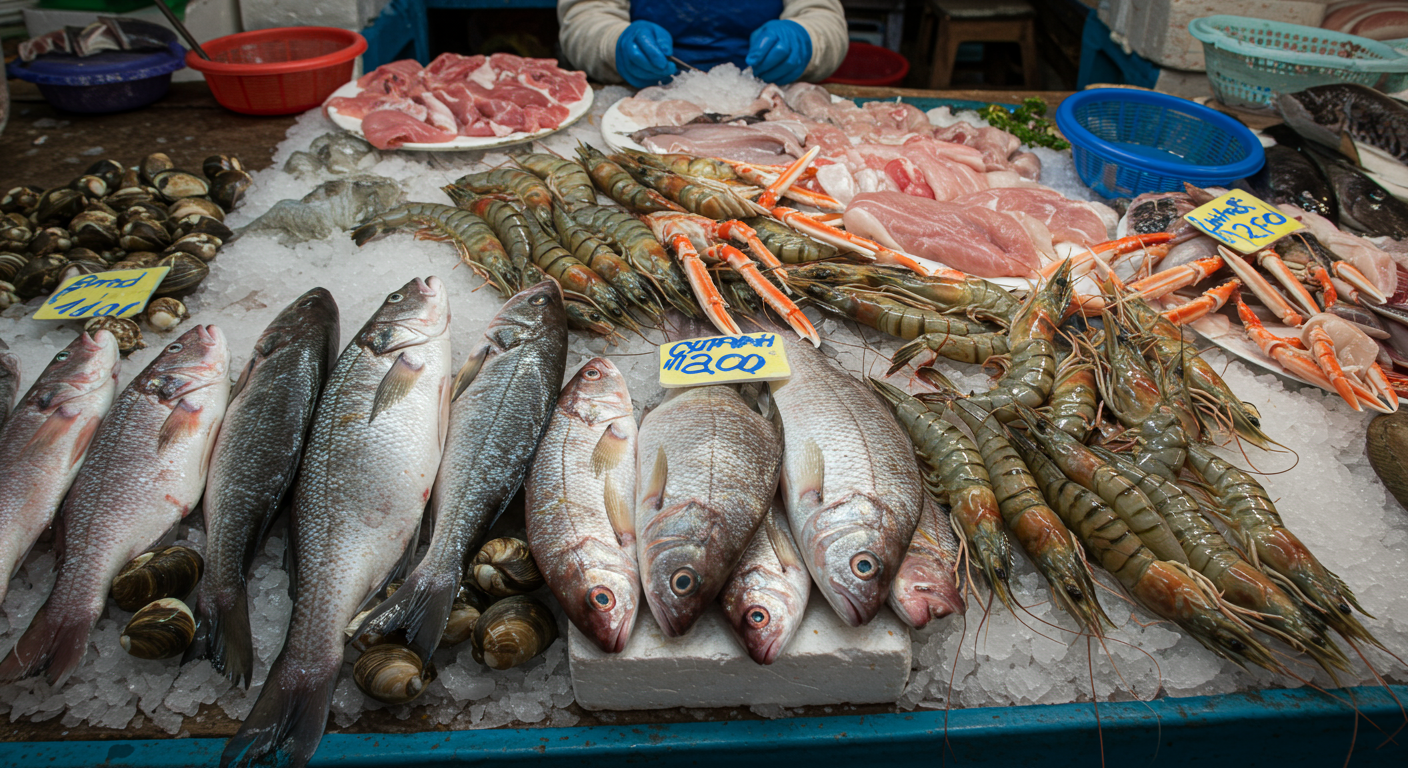
Tourist areas often maintain higher safety standards—there's simply too much economic incentive to risk making visitors sick. Local markets might use more traditional handling methods, which doesn't necessarily mean unsafe, but it does represent a different approach to seafood preparation and storage.
Coastal regions have the advantage of ultra-fresh seafood when proper handling is maintained. However, remote coastal areas may have limited refrigeration, making your choice of restaurant and timing more critical.
Seasonal factors matter too. Warmer months require more careful attention to storage and preparation times, while peak fishing seasons often mean faster turnover and fresher product.
Your Practical Guide to Safe Seafood Dining
When choosing seafood restaurants in Ecuador, look for places with visible refrigeration, busy dining rooms, and clean preparation areas. Restaurants that serve both locals and tourists often hit the sweet spot of maintaining good safety standards while delivering authentic flavors.
Red flags include seafood with strong fishy odors, dishes sitting at room temperature, or restaurants where you can't see proper refrigeration. Fresh seafood should have clear eyes, firm flesh, and smell like the ocean, not like fish.
Ceviche and other raw preparations can absolutely be enjoyed safely when made with fresh fish and proper acidic marinades. The key is choosing busy spots where these dishes turn over quickly, rather than places where they might sit around.
If you have a sensitive stomach or compromised immune system, fully cooked seafood gives you the lowest risk. Grilled, fried, or thoroughly cooked dishes minimize any potential bacterial exposure.
Should you experience symptoms like nausea, vomiting, or diarrhea, stay hydrated and don't hesitate to seek medical attention if symptoms persist or worsen. Most foodborne illness episodes are mild and resolve within a day or two, but severe symptoms always warrant professional evaluation.