How Safe Is Seafood in Ecuador Compared to Other Countries?
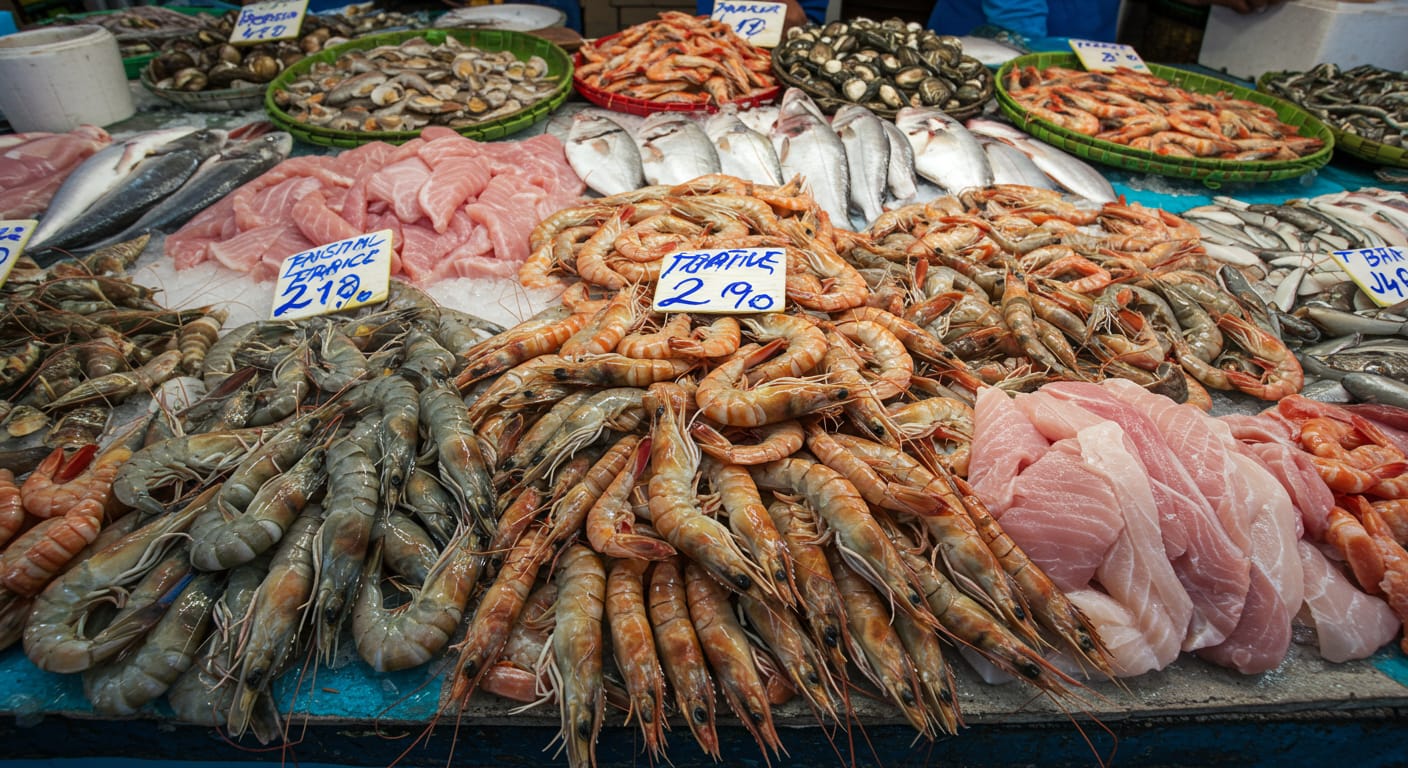
Ecuador's stunning Pacific coastline delivers some of the world's freshest seafood straight to your plate. But if you're wondering whether it's safe to indulge in that grilled corvina or ceviche, you're asking the right question. Here's what you need to know about Ecuador's seafood safety compared to other countries—and how to dine confidently on the coast.
Global Seafood Safety: The Baseline
The World Health Organization and Food and Agriculture Organization set the gold standard for seafood safety worldwide. Their guidelines focus on the basics: keeping bacterial contamination low, maintaining proper cold storage, and tracking seafood from ocean to plate.
International safety standards cover everything from water quality monitoring to fishing vessel cleanliness and processing facility hygiene. The Centers for Disease Control and Prevention and European Food Safety Authority add another layer with research-backed protocols that help countries develop stronger food safety programs.
For coastal nations like Ecuador, these guidelines provide a roadmap for protecting both locals and the millions of tourists who come for the incredible seafood.
Ecuador's Seafood Safety Landscape
Ecuador has several natural advantages when it comes to seafood safety. The Pacific waters here support thriving marine ecosystems, and many fishing boats return to port within hours of their catch—meaning shorter time from ocean to your table compared to countries relying on imported seafood.
The Ecuadorian government oversees food safety through agencies that monitor fishing practices, processing facilities, and restaurants. These regulations cover vessel sanitation, temperature control during transport, and kitchen hygiene standards.
Ecuador's booming seafood export industry—particularly shrimp and tuna—drives higher safety standards at many processing facilities. Export requirements mean these operations must meet international quality standards, which benefits the entire supply chain.
However, enforcement varies significantly between regions and establishment types. A high-end restaurant in Guayaquil operates under different oversight than a beachside vendor in a small fishing village.
How Ecuador Stacks Up Internationally
Compared to other Latin American coastal countries, Ecuador maintains solid seafood safety standards with the usual regional variations. Countries facing similar challenges—like Peru, Colombia, and Mexico—deal with comparable issues around consistent enforcement and infrastructure gaps.
The global seafood safety leaders like Japan, Norway, and Canada have decades of systematic safety programs, extensive regulatory frameworks, and robust cold chain infrastructure. These countries set the international benchmark for traceability systems and quality testing.
Ecuador falls into the middle tier globally—better than many developing coastal nations but still building toward the comprehensive systems found in established seafood markets. The country's regulatory environment continues improving, with urban coastal areas typically showing stronger oversight than remote fishing communities.
What Matters More Than Country Rankings
Here's the reality: proper handling often matters more than where the seafood comes from. Even premium seafood from the world's safest sources becomes risky if temperature control breaks down anywhere from boat to plate.
Cold chain management is everything. Seafood must stay properly refrigerated during transport, storage, and display. One broken link in this cold chain can turn safe seafood dangerous, regardless of its origin.
Preparation methods make or break seafood safety. Proper cooking temperatures, clean surfaces, and preventing cross-contamination with other ingredients are non-negotiable for safe consumption.
Your choice of dining establishment matters enormously. Established restaurants typically maintain more consistent refrigeration and preparation standards, while smaller vendors might offer ultra-fresh catches but with less predictable handling practices.
Smart Seafood Dining in Ecuador
The Centers for Disease Control and Prevention offers specific guidance for travelers to Ecuador, including recommendations to choose seafood that looks fresh, is served hot, and comes from reputable establishments.
Look for restaurants with high turnover—busy places move inventory quickly, reducing the time seafood sits around. Visible refrigeration, clean preparation areas, and establishments popular with both locals and expats are good indicators of safety-conscious operations.
Red flags include seafood with a strong fishy smell (fresh seafood should smell like the ocean), displays without proper refrigeration, and kitchens that lack basic cleanliness. Trust your instincts—if something seems off, choose a different dish or restaurant.
If you do experience seafood-related illness, stay hydrated and monitor your symptoms. While most mild cases resolve within a few days, seek medical attention for severe or persistent symptoms like high fever, severe dehydration, or bloody stools.
The Bottom Line
Ecuador's seafood can be incredibly safe when you choose wisely. The country's coastal advantages and improving regulatory framework provide a solid foundation, but your dining choices make the biggest difference in your safety.
Stick to busy, reputable restaurants, trust your senses about freshness, and don't hesitate to ask questions about how seafood is stored and prepared. With these precautions, you can confidently enjoy some of the Pacific's finest offerings during your time in Ecuador.