How Safe Is Seafood in Ecuador Compared to Other Countries?
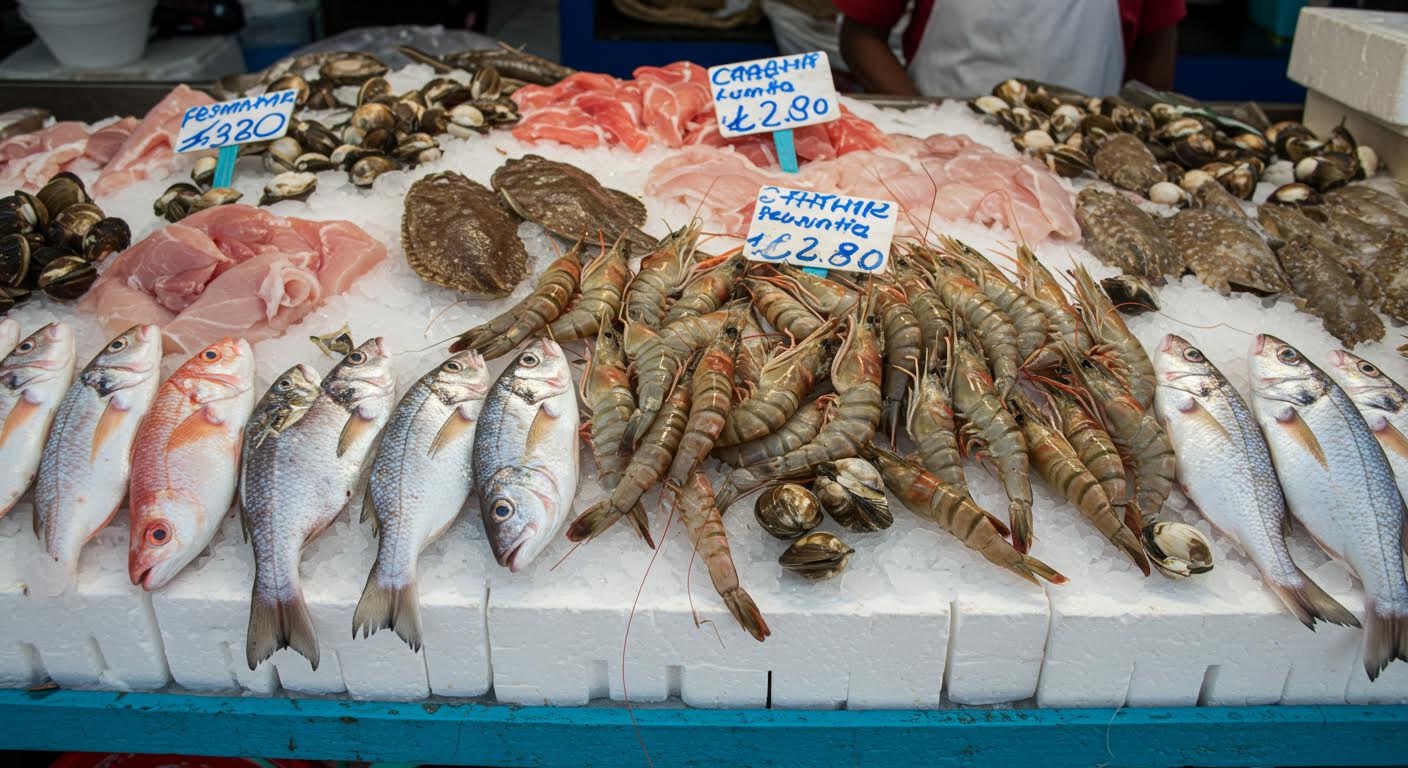
Ecuador's 1,400-mile Pacific coastline makes seafood a cornerstone of local cuisine—and a must-try for any visitor. Whether you're eyeing that fresh ceviche at a coastal market or contemplating the catch of the day at an upscale restaurant, understanding Ecuador's seafood safety standards will help you dine with confidence.
Ecuador's Seafood Scene
As one of the world's top seafood exporters, Ecuador takes its marine industry seriously. Shrimp farms dot the coast, tuna boats head out from major ports, and small fishing communities bring in daily catches of corvina, dorado, crab, and various shellfish. This means you'll find incredibly fresh seafood—but quality and safety practices can vary widely depending on where you eat.
The National Service of Animal and Plant Health and the Ministry of Public Health oversee seafood safety from boat to plate. These agencies implement food safety protocols throughout the supply chain, though enforcement varies between regions and operation sizes.
Meeting International Standards
Ecuador's seafood industry has had to step up its game to compete in global markets. Many processing facilities—especially those exporting to the U.S. and Europe—use Hazard Analysis and Critical Control Points systems, the gold standard for food safety management worldwide.
To export seafood to the United States, Ecuadorian facilities must meet strict Food and Drug Administration requirements. Similarly, European Union markets demand comprehensive safety certifications and documentation. This means export-focused operations often maintain higher safety standards than facilities serving only local markets.
The Food and Agriculture Organization has worked with Ecuador to align its regulatory framework with international best practices, though implementation can be inconsistent across the country's diverse fishing regions.
Global Safety Standards: The Benchmark
The World Health Organization sets the global bar for seafood safety: keep cold seafood below 40°F, cook fish to 145°F, and maintain strict hygiene throughout the supply chain. These aren't just guidelines—they're essential for preventing foodborne illness.
Countries like the United States and those in the European Union enforce rigorous inspection programs, contamination testing, and detailed import requirements. They also monitor for environmental contaminants like mercury and conduct regular pathogen screenings.
The key to international seafood safety lies in what experts call "cold chain management"—keeping seafood properly chilled from the moment it's caught until it reaches your plate.
Real Health Risks to Consider
The Centers for Disease Control and Prevention advises caution when eating seafood in Ecuador, particularly raw preparations. The main culprits behind seafood-related illness are bacterial infections from Salmonella and Vibrio species, plus potential parasitic infections.
Environmental factors add another layer of concern. Occasional algal blooms and pollution in certain coastal areas can temporarily compromise seafood safety. This is why knowing where your seafood comes from matters.
The CDC's advice is straightforward: eat only thoroughly cooked seafood, skip raw preparations unless you're absolutely confident in the source, and choose busy restaurants with obvious food safety practices.
How Ecuador Stacks Up Globally
Ecuador's seafood safety record is solid for South American standards, and its acceptance in U.S. and European markets proves that major commercial operations meet international requirements. The country's regulatory framework is sound, even if enforcement isn't always consistent.
Where Ecuador excels: HACCP implementation in processing facilities and strong export compliance. The challenges: ensuring consistent standards across all supply chain levels, especially smaller operations serving local markets.
Compared to major seafood producers worldwide, Ecuador performs well in coastal urban areas where regulatory oversight is stronger and export industry influence raises standards across the board.
Your Seafood Safety Game Plan
Choose restaurants wisely. Look for places with visible refrigeration, high customer turnover, and clean preparation areas. The seafood should come out hot and be served promptly—avoid anywhere you see dishes sitting under heat lamps.
Trust your senses. Fresh seafood shouldn't smell "fishy," look discolored, or feel slimy. If a restaurant's overall hygiene looks questionable, skip the seafood entirely.
Know your cooking signs: fish should flake easily with a fork and reach that crucial 145°F internal temperature. For shellfish like mussels and clams, the shells should open during cooking—discard any that remain closed.
If you're pregnant, elderly, have young children, or deal with immune system issues, play it extra safe by avoiding raw seafood preparations altogether during your Ecuador visit.
The bottom line? Ecuador offers excellent seafood experiences when you know what to look for. Stick to busy, reputable establishments, trust your instincts, and you'll enjoy some of the Pacific's best offerings safely.