How Reused Cooking Oil Affects Food Safety: What Diners Need to Know
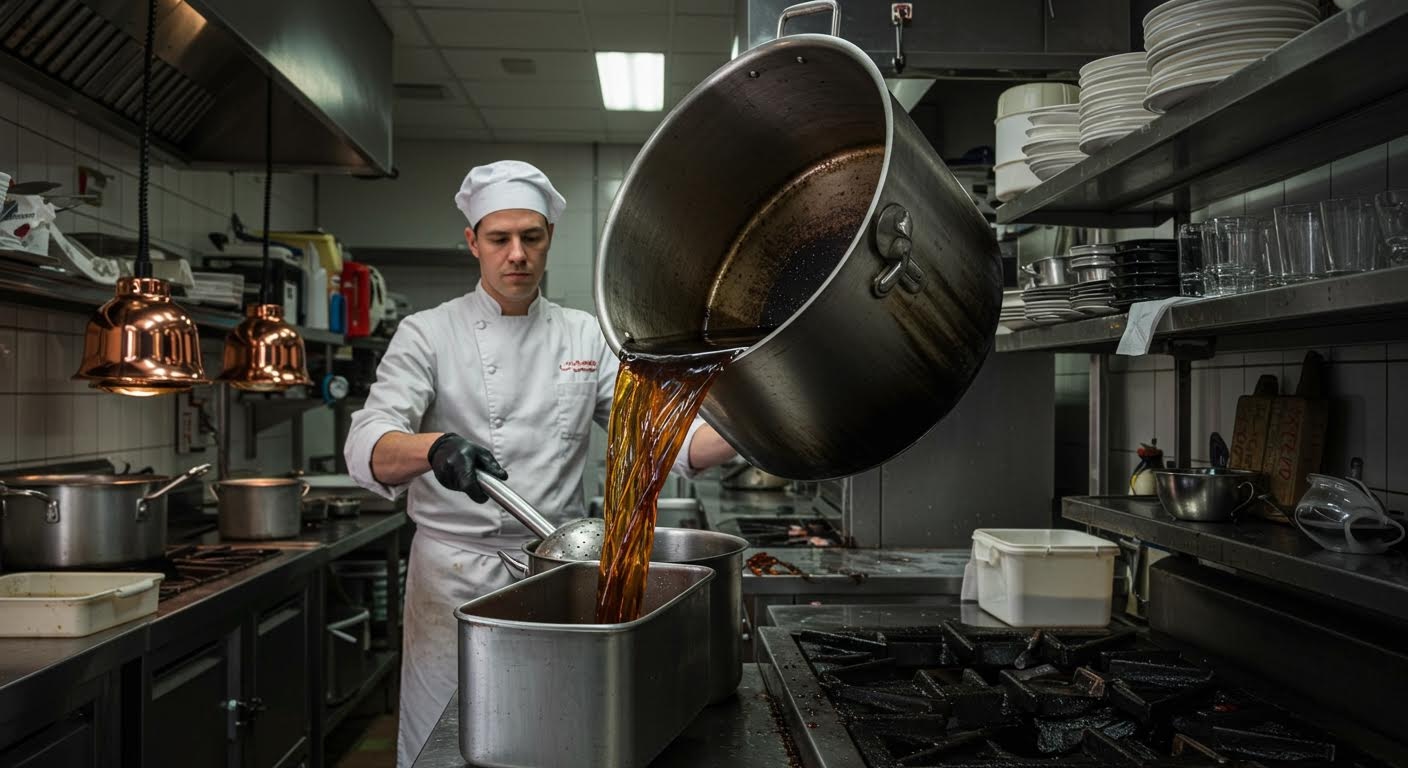
Every time you bite into crispy french fries or golden fried chicken, there's an invisible factor that could affect both the taste and safety of your meal: the cooking oil. While oil reuse is a common practice in both commercial kitchens and homes for economic reasons, improper handling can create serious food safety concerns that every diner should understand.
The Science Behind Oil Degradation
When cooking oil is heated repeatedly, its molecular structure begins to break down through a process called thermal degradation. This breakdown accelerates significantly when oil reaches temperatures above 375°F (190°C), which is common in deep frying operations.
During repeated heating cycles, oil undergoes several chemical changes that produce potentially harmful compounds:
- Aldehydes - compounds that can cause oxidative stress in the body
- Free radicals - unstable molecules linked to cellular damage
- Trans fats - artificially created fats associated with cardiovascular problems
- Polymerized compounds - substances that can affect digestion
Not all oils degrade at the same rate. Oils with higher smoke points, such as refined canola, peanut, and safflower oils, tend to be more stable during reuse compared to oils like extra virgin olive oil or butter, which break down more quickly when heated repeatedly.
Health Risks of Improperly Reused Oil
Research published by the National Center for Biotechnology Information has identified several health concerns associated with consuming food cooked in degraded oil. The formation of harmful compounds during oil breakdown can lead to:
Oxidative stress and inflammation: Studies suggest that aldehydes and other degradation products may contribute to inflammatory responses in the body, potentially affecting overall health over time.
Cardiovascular concerns: The trans fats formed during oil degradation have been linked to increased risk of heart disease and elevated cholesterol levels.
Digestive issues: Heavily degraded oil can cause immediate symptoms including nausea, stomach discomfort, and digestive upset, particularly in sensitive individuals.
Certain populations should be especially cautious about exposure to degraded cooking oil, including children, pregnant women, elderly individuals, and those with existing cardiovascular or digestive conditions.
FDA Guidelines and Commercial Standards
The Food and Drug Administration regulates cooking oil use in commercial food service through several guidelines. Restaurants are required to maintain oil quality standards and many use commercial testing equipment to monitor oil degradation levels.
Professional kitchens often employ:
- Digital oil quality monitors that measure polar compounds
- Regular temperature monitoring during frying operations
- Documented oil change schedules and tracking systems
- Proper filtration equipment to remove food particles
However, standards can vary significantly between commercial operations and home kitchens, with restaurants generally having more rigorous monitoring systems in place.
Safe Oil Reuse: Best Practices
When done correctly, oil can be safely reused several times. According to guidance from Oregon State University Extension, key practices include:
Proper filtering: Strain oil through fine mesh or cheesecloth while still warm to remove food particles that accelerate degradation.
Optimal storage: Store filtered oil in clean, airtight containers in a cool, dark place. Refrigeration can extend oil life.
Temperature control: Maintain frying temperatures between 325-375°F and avoid overheating during storage.
Limited reuse cycles: Most oils can be safely reused 3-5 times for deep frying, depending on the oil type and cooking conditions.
Warning Signs: When to Discard Used Oil
Several clear indicators signal when cooking oil should be discarded:
Visual changes: Oil that has darkened significantly, appears thick or sticky, or produces excessive foam during heating should be replaced.
Odor and taste: Rancid, fishy, or unpleasant smells indicate oil degradation. Off-flavors in food are another warning sign.
Smoking behavior: Oil that smokes at lower temperatures than when fresh has likely degraded beyond safe use.
Simple tests: Home cooks can perform basic quality checks by observing how quickly oil heats, whether it foams excessively, and how it smells when warmed.
Making Informed Choices When Dining Out
While diners have limited control over restaurant oil practices, there are ways to make more informed choices:
Ask questions: Don't hesitate to inquire about oil change frequency, especially at smaller establishments or food trucks.
Observe visual cues: In open kitchens, look for oil that appears clean and light-colored rather than dark or foamy.
Trust your senses: Food that tastes off or has an unusual oily aftertaste may indicate degraded cooking oil.
Choose wisely: Consider the establishment's overall cleanliness and food safety reputation when making dining decisions.
Understanding these factors can help you enjoy fried foods while minimizing potential health risks. While occasional exposure to less-than-perfect cooking oil is unlikely to cause serious harm, being an informed diner allows you to make better choices for your long-term health.