How Modern Diets Drifted Away From Whole Foods
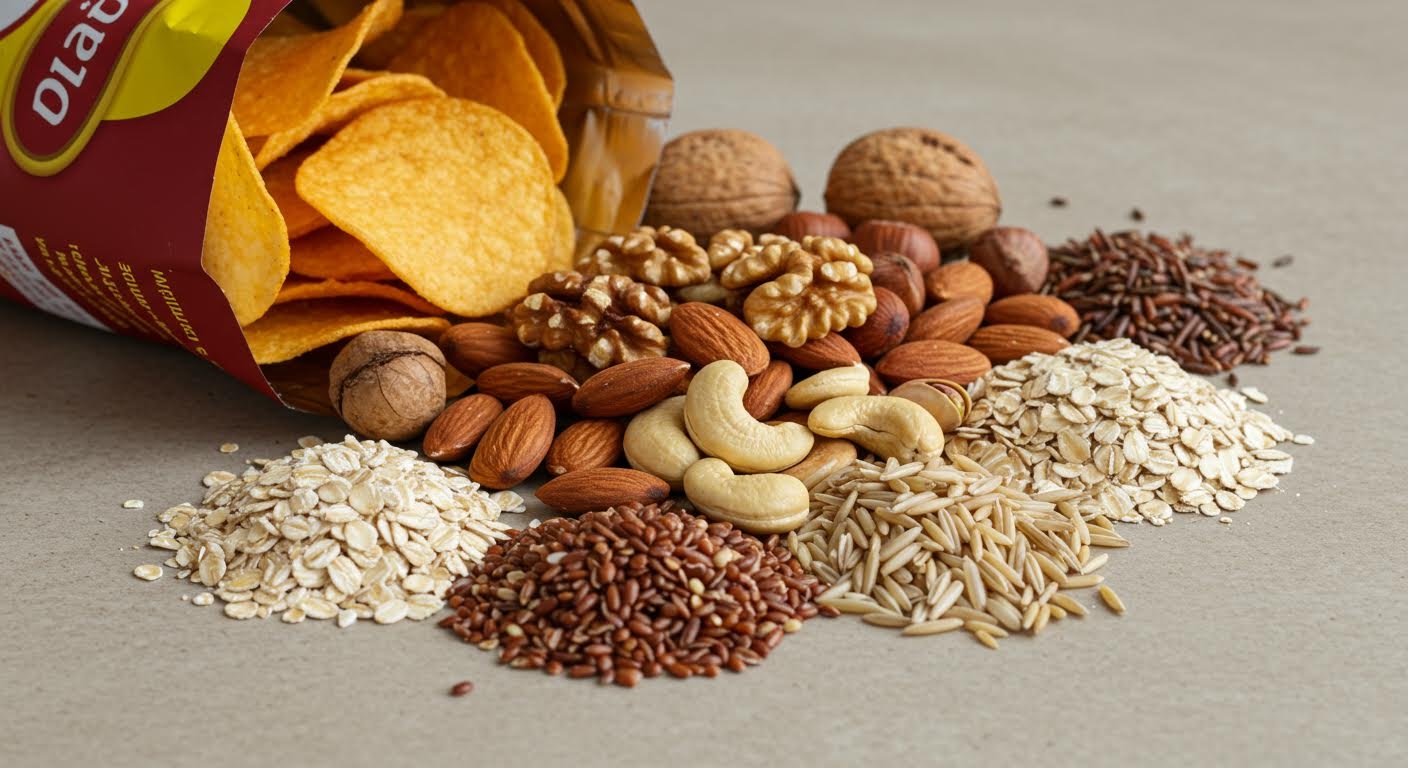
For thousands of years, humans ate foods in their natural state—fresh fruits and vegetables, whole grains, lean meats, and minimally processed dairy. Today's grocery carts tell a dramatically different story, filled with packaged and ultra-processed foods that would be unrecognizable to our ancestors. Understanding how and why this shift happened can help us make better choices for our health.
The Great Food Transformation: From Farm to Factory
Traditional diets across cultures shared common traits: they used locally available whole foods, prepared with time-tested methods, and consumed in their natural or minimally altered states. Whether it was the Mediterranean diet rich in olive oil, fresh vegetables, and whole grains, or traditional Asian diets centered on rice, vegetables, and fish, these eating patterns emphasized ingredients straight from nature.
The Industrial Revolution began fundamentally changing how we produce, distribute, and consume food. New technologies enabled mass production and long-distance transportation of food products. Canning, refrigeration, and chemical preservation methods allowed foods to stay fresh for extended periods.
The post-World War II era dramatically accelerated this transformation. Food manufacturers used new chemical processes and ingredients developed during the war, creating an explosion of convenience foods. Frozen dinners, instant mixes, and packaged snacks became symbols of modern living. Marketing campaigns positioned these products as solutions for busy families, emphasizing convenience and time-saving over nutritional quality.
What We Lost: Understanding Ultra-Processing
To grasp the impact of this shift, it's important to understand different levels of food processing. Whole foods are consumed in their natural state or with minimal preparation—think fresh apples, raw almonds, or plain yogurt. Processed foods involve adding ingredients like salt, sugar, or oil to whole foods, such as canned vegetables or cheese. Ultra-processed foods are industrial formulations containing ingredients rarely used in home cooking, including artificial flavors, colors, emulsifiers, and preservatives.
During ultra-processing, foods lose many original nutrients while gaining additives designed to enhance flavor, appearance, and shelf life. This fundamentally changes how our bodies respond to these foods. Natural fiber is often removed or altered, affecting how quickly sugars enter the bloodstream. The complex nutrient matrix found in whole foods is disrupted, potentially reducing vitamin and mineral absorption.
Consider the journey from a whole apple to apple juice to a fruit-flavored drink. Each step removes beneficial components like fiber and antioxidants while adding sugars and artificial ingredients. The end result may taste like fruit, but affects our bodies very differently than the original apple.
The Hidden Health Costs of Modern Convenience
Research increasingly links ultra-processed food consumption to various health problems. Studies show strong connections between diets high in processed foods and increased obesity rates, with some research suggesting these foods may promote overeating by disrupting normal hunger and fullness signals.
Heart health appears particularly vulnerable to processed food effects. Diets high in ultra-processed foods are linked to increased risks of heart disease, high blood pressure, and stroke. The high sodium, trans fats, and added sugars common in these products all strain the cardiovascular system.
Blood sugar control also suffers from heavily processed foods. The rapid absorption of refined sugars and absence of natural fiber can cause dramatic spikes and crashes in blood glucose levels, potentially contributing to insulin resistance and type 2 diabetes over time.
Emerging research even suggests connections between processed food consumption and mental health. Some studies indicate that diets high in ultra-processed foods may be associated with increased depression and cognitive decline rates, though more research is needed to establish definitive causes.
Why We Embraced the Shift: The Convenience Factor
The drift toward processed foods didn't happen randomly—it responded to real changes in how we live and work. As more families became dual-income households and work schedules grew more demanding, quick, convenient meal solutions became irresistible. Processed foods offered immediate solutions in a world where time became increasingly precious.
From a food safety perspective, processing offered significant advantages. Packaged foods reduced foodborne illness risk and allowed families to keep meals on hand without worrying about spoilage. This was particularly valuable for people in areas with limited fresh food access or those managing tight budgets.
Economic factors also played a crucial role. Processed foods often cost less per calorie than fresh alternatives, making them attractive for families stretching food budgets. Government subsidies for crops like corn and soy made processed food ingredients relatively inexpensive, while fresh produce remained more expensive and less accessible.
Cultural shifts compounded these practical considerations. As cooking knowledge became less commonly passed down through generations, many people lost confidence in preparing meals from scratch. Processed foods offered predictable results without requiring traditional cooking skills or extensive meal planning.
Finding Your Way Back: Practical Steps to Whole Foods
Major health organizations worldwide now emphasize returning to whole food-based eating patterns. The USDA's Dietary Guidelines encourage focusing on nutrient-dense whole foods, while the World Health Organization recommends limiting ultra-processed food consumption as part of a healthy diet strategy.
Transitioning back to whole foods doesn't require dramatic overnight changes. Start by adding one additional serving of fruits or vegetables to your daily routine, or replace one processed snack with a whole food alternative like nuts or fresh fruit. Focus on foods with short ingredient lists featuring recognizable components.
When shopping, spend more time around the grocery store's perimeter, where fresh produce, dairy, and minimally processed proteins are typically located. Learn to read ingredient labels, looking for products with fewer additives and preservatives. Choose foods as close to their natural state as possible.
Meal planning can make whole food eating more manageable within busy schedules. Prepare larger batches of whole grain rice, quinoa, or roasted vegetables to use throughout the week. Simple techniques like batch cooking proteins or pre-washing and chopping vegetables can make healthy choices as convenient as processed alternatives.
The journey back to whole foods is about rediscovering the satisfaction and nourishment that come from eating foods in their natural states. While convenience will always factor into our food choices, understanding the health implications of our dietary drift can help us make more conscious decisions about what we put on our plates.