How Local Produce Supports Both Health and Sustainability When Dining Out
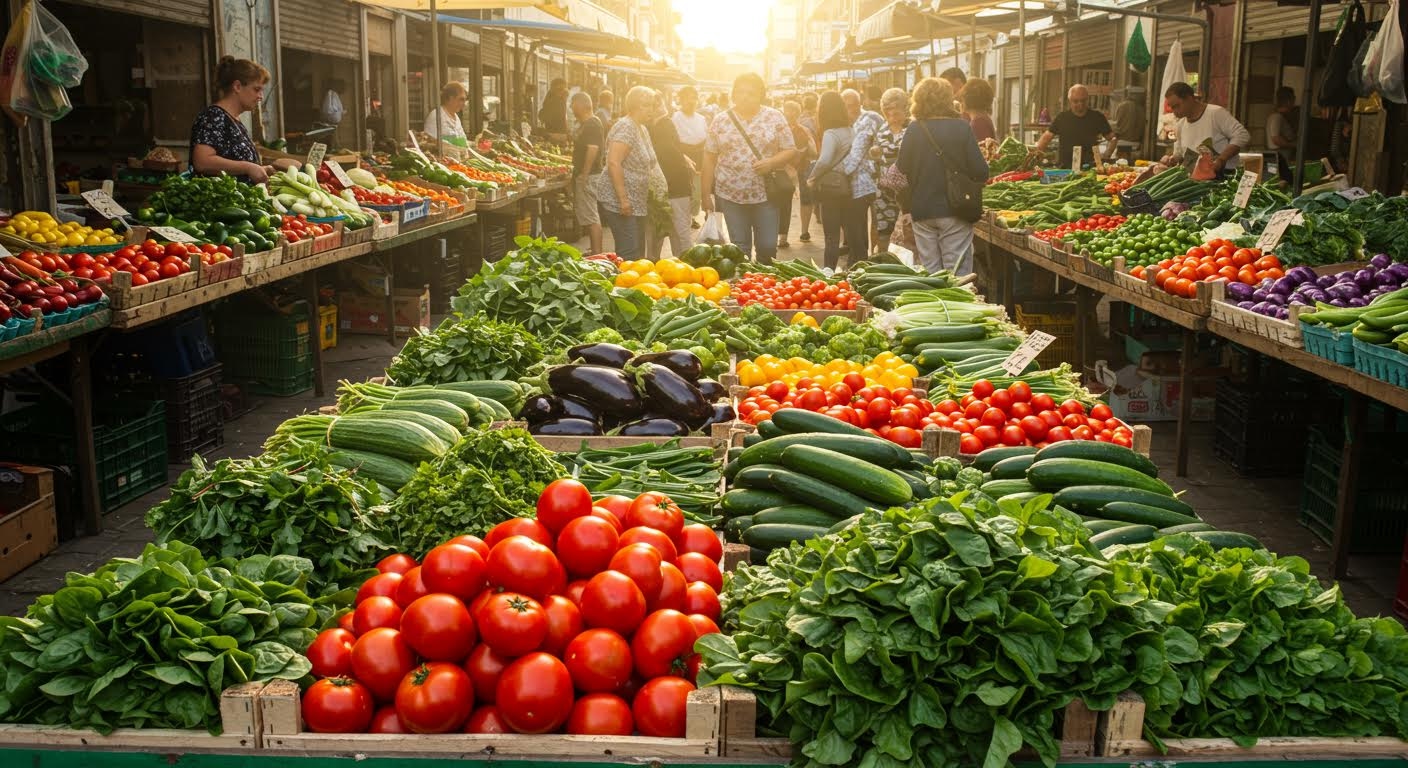
When you choose restaurants that prioritize local produce, you're making a decision that creates positive impacts far beyond your meal. Local sourcing brings together personal health benefits, environmental sustainability, and community prosperity in ways that benefit everyone from farm to table.
Fresh, Local Produce Delivers Superior Nutrition
The distance and time between harvest and your plate directly affects nutritional value. Local produce travels shorter distances and spends less time in storage, which helps preserve essential vitamins and minerals that naturally break down over time. This is especially important for water-soluble vitamins like vitamin C and folate.
Local farmers can harvest crops at perfect ripeness since they don't worry about lengthy shipping times. This means fruits and vegetables reach your plate with maximum flavor and nutritional density. Meanwhile, produce shipped from far away gets picked early to survive the journey, sacrificing both taste and nutrition.
When restaurants source locally, you naturally eat with the seasons, enjoying a rotating variety of nutrients throughout the year. This seasonal diversity supports optimal health by providing different vitamins, minerals, and antioxidants as nature intended.
Environmental Benefits of Eating Local
Choosing locally sourced restaurants dramatically reduces your meal's carbon footprint. When restaurants buy from nearby farms, they eliminate long-haul trucking, air freight, and energy-intensive refrigeration systems that pump greenhouse gases into the atmosphere.
Local produce needs minimal packaging compared to items shipped across continents. Less packaging means less waste and a smaller environmental impact from food production and distribution.
Local farms often grow diverse crops and preserve heritage plant varieties that aren't practical for large-scale, long-distance shipping. This diversity creates healthier ecosystems and more resilient farming communities.
Regional agriculture naturally adapts to local water and soil conditions, using resources more efficiently and supporting long-term soil health through practices tailored to the specific environment.
Strengthening Communities Through Local Food
Supporting restaurants that buy local strengthens regional food systems and builds economic resilience in your community. Every dollar spent on local produce circulates through the local economy multiple times, creating benefits for various community members.
Small-scale farmers gain reliable customers through restaurant partnerships, helping them maintain diverse crops and sustainable practices that might not work in commodity markets. This preserves farming knowledge and supports rural livelihoods.
These relationships create transparency in our food system and help people understand agricultural practices, seasonal availability, and farming challenges. Strong local food networks build community resilience and food security.
Finding Restaurants Committed to Local Sourcing
Spotting genuine local sourcing requires paying attention to menu language, seasonal changes, and restaurant practices. Look for establishments that name specific farms, change menus seasonally, and can tell you about their sourcing relationships.
Seasonal menu changes signal authentic local sourcing, since restaurants working with local farmers naturally adjust offerings based on what's available. Menus that never change likely rely on distant suppliers or greenhouse production.
Ask your server about ingredient origins. Restaurants proud of their local partnerships train their staff to discuss these relationships and often provide specific details about farms and seasonal specialties.
Remember that farm-to-table restaurants may have more limited or variable menus than places using global supply chains, but this often means higher quality and more sustainable options.
Understanding the Nuances
Local isn't always the most sustainable choice in every situation. Climate, soil, and water conditions affect the environmental impact of local production. Sometimes, crops grown in ideal conditions elsewhere have lower overall environmental costs despite transportation needs.
Eating only local foods might limit nutritional variety, especially in regions with short growing seasons. The key is balancing local preferences with nutritional needs and being flexible about seasonal availability.
Food safety matters regardless of farm size, so understanding local safety practices helps you make informed choices. Reputable restaurants partner with producers who follow proper safety protocols and maintain appropriate certifications.
Local produce may cost more due to smaller-scale production, but the real value includes environmental and community benefits that don't show up in the price tag.
Taking Action to Support Local Food Systems
Encourage restaurants to source locally by showing interest as a customer. Ask about local options, praise establishments featuring local ingredients, and share feedback about your preferences for locally sourced meals.
Support farmers markets and Community Supported Agriculture (CSA) programs to strengthen the local food network that restaurants depend on. A thriving local agricultural system benefits both individual diners and food service businesses.
Embrace seasonal dining by celebrating each season's unique offerings. This approach maximizes your impact while supporting sustainable farming practices.
Build awareness about local food systems by sharing information with others, supporting educational programs, and understanding how food choices connect to environmental impact and community health.
Every meal is a chance to vote for the kind of food system you want. By choosing restaurants committed to local sourcing, you help create a more sustainable, healthy, and economically strong food landscape that benefits everyone.