How Local Farms Shape Ecuador's Restaurant Scene: From Field to Fork
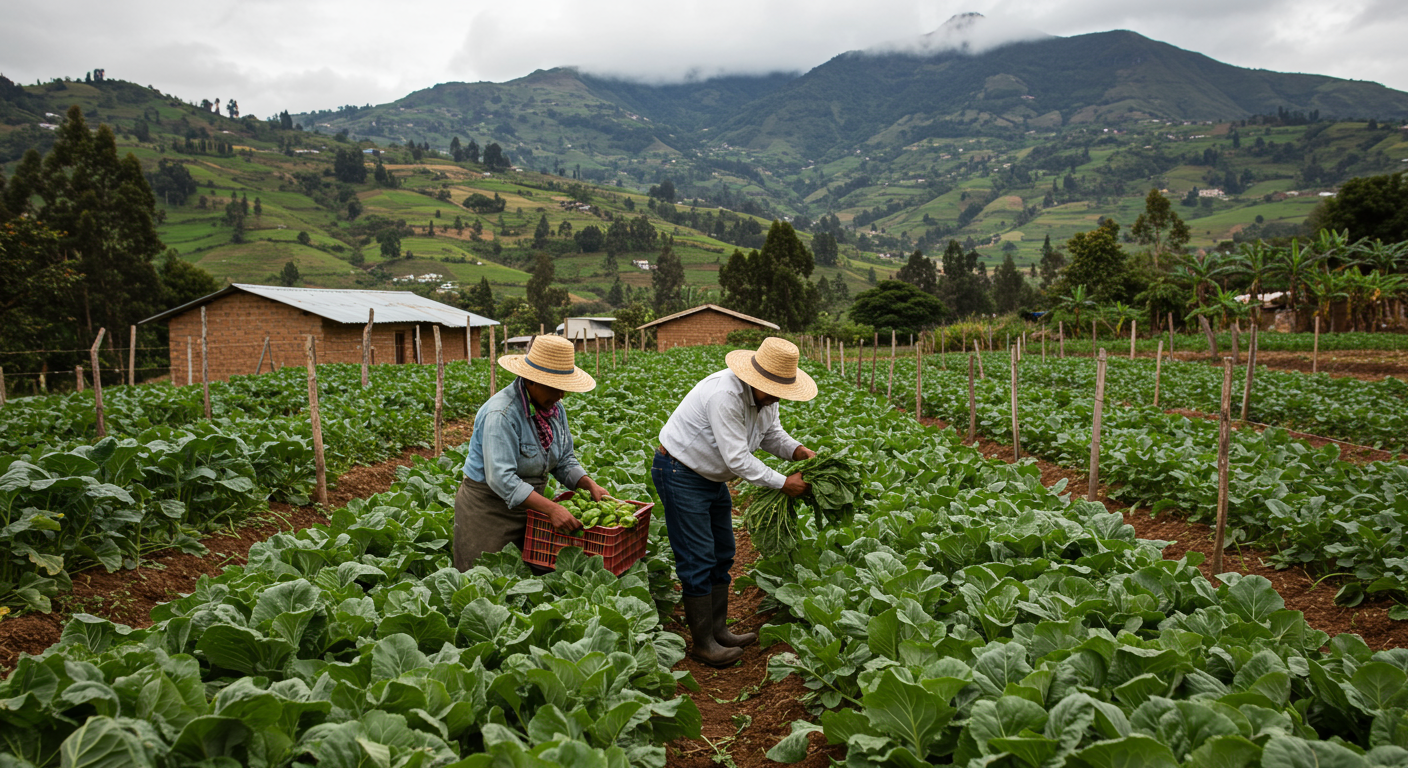
Ecuador's vibrant restaurant scene draws its strength from the country's rich agricultural heritage. From coastal plains to Andean highlands, local farms provide the foundation for menus that showcase the nation's incredible biodiversity and culinary traditions.
Ecuador's Agricultural Landscape: Foundation for Restaurant Supply
Ecuador's unique geography creates distinct climate zones that support an impressive variety of crops. The coastal region produces rice, sugarcane, and tropical fruits like bananas and mangoes that frequently appear on restaurant menus. Meanwhile, the Sierra highlands yield potatoes, quinoa, and corn that form the backbone of traditional Ecuadorian cuisine.
The Amazon region contributes exotic fruits, cacao, and unique ingredients that adventurous restaurants use to create distinctive dishes. This geographic diversity means restaurants across Ecuador can source dramatically different ingredients depending on their location and concept.
According to the Ecuador Agriculture Ministry, the country produces significant quantities of staple crops domestically, reducing reliance on imports for basic restaurant ingredients. Rice production alone exceeds 1.3 million tons annually, while potato cultivation in the highlands supports both urban and rural dining establishments.
Farm-to-Table Movement in Ecuadorian Dining
Many restaurants, particularly in major cities like Quito and Cuenca, have established direct relationships with local farmers. These partnerships ensure access to the freshest ingredients while supporting rural communities economically.
Chefs report that direct sourcing allows them to obtain produce at peak ripeness and quality, often harvested just hours before reaching restaurant kitchens. This freshness translates into more flavorful dishes and higher customer satisfaction.
However, sourcing locally presents challenges. Restaurants must work with multiple small suppliers rather than single large distributors, requiring more complex logistics and relationship management. Weather events can also disrupt supply chains, forcing menu adjustments at short notice.
Consumer awareness of food origins has grown significantly, with diners increasingly seeking restaurants that highlight local ingredients and support sustainable farming practices.
Seasonal Menu Dynamics and Local Produce
Ecuador's varied climate zones mean different regions experience harvest seasons at different times throughout the year. Restaurants have learned to adapt their menus based on these natural cycles, creating seasonal offerings that reflect ingredient availability and quality.
During peak harvest periods, restaurants often feature special dishes highlighting abundant produce, while off-season periods require creative menu planning or alternative ingredient sourcing. Price fluctuations during different seasons can significantly impact restaurant food costs.
Many establishments have developed preservation and storage techniques to extend the usability of seasonal ingredients. Some restaurants pickle vegetables during abundant periods or work with farmers to stagger plantings for more consistent supply.
Successful restaurant operators view seasonal menu changes as opportunities to create excitement and encourage repeat visits, rather than as operational challenges.
Small Farms vs. Large Operations: Different Impacts on Restaurants
Small-scale farms often provide specialty ingredients that allow restaurants to differentiate their offerings. These farms may grow heirloom varieties of vegetables or raise heritage breeds of livestock that aren't available through commercial channels.
Larger agricultural operations typically serve food service chains and major distributors, providing consistency and volume that smaller restaurants may find difficult to access directly. These operations often focus on standardized products that meet specific quality and sizing requirements.
Quality differences between small and large farm outputs vary considerably. While small farms may offer superior flavor and uniqueness, large operations provide reliability and consistent specifications that some restaurants require for standardized menu items.
Restaurant buyers must balance the desire for unique, high-quality ingredients against the need for reliable supply and consistent pricing when choosing between small and large farm suppliers.
Distribution Networks: Connecting Farms to Dining Tables
Ecuador's transportation infrastructure plays a crucial role in connecting rural farms to urban restaurants. Mountain roads and coastal routes must accommodate everything from small pickup trucks carrying specialty produce to large refrigerated trucks serving major distributors.
Wholesale markets in major cities serve as central hubs where restaurants can access produce from multiple farms and regions. These markets operate on early morning schedules that allow restaurant buyers to select ingredients for same-day preparation.
Remote farms face significant challenges getting perishable products to distant urban markets. Limited refrigerated transport and lengthy travel times can compromise product quality and increase costs.
Technology solutions are emerging to improve farm-to-restaurant logistics, including online ordering platforms and improved cold storage facilities at key distribution points.
Export vs. Domestic Supply: Balancing Competing Demands
Ecuador's position as a major agricultural exporter creates tension between domestic supply and international demand. Some of the country's highest-quality produce is destined for export markets, potentially limiting availability for local restaurants.
Premium ingredients like high-grade cacao, perfect bananas, and specialty coffee often command higher prices in export markets, leaving restaurants to work with second-tier products or seek alternative suppliers.
Government policies regarding agricultural exports versus domestic consumption can significantly impact restaurant ingredient availability and pricing. The World Bank notes that trade agreements and export incentives may influence what farmers choose to sell locally versus internationally.
These dynamics affect restaurant pricing structures and menu options, sometimes forcing establishments to adjust offerings based on ingredient availability rather than customer preferences alone.