How Local Farms Shape Ecuador's Restaurant Scene and Food Supply
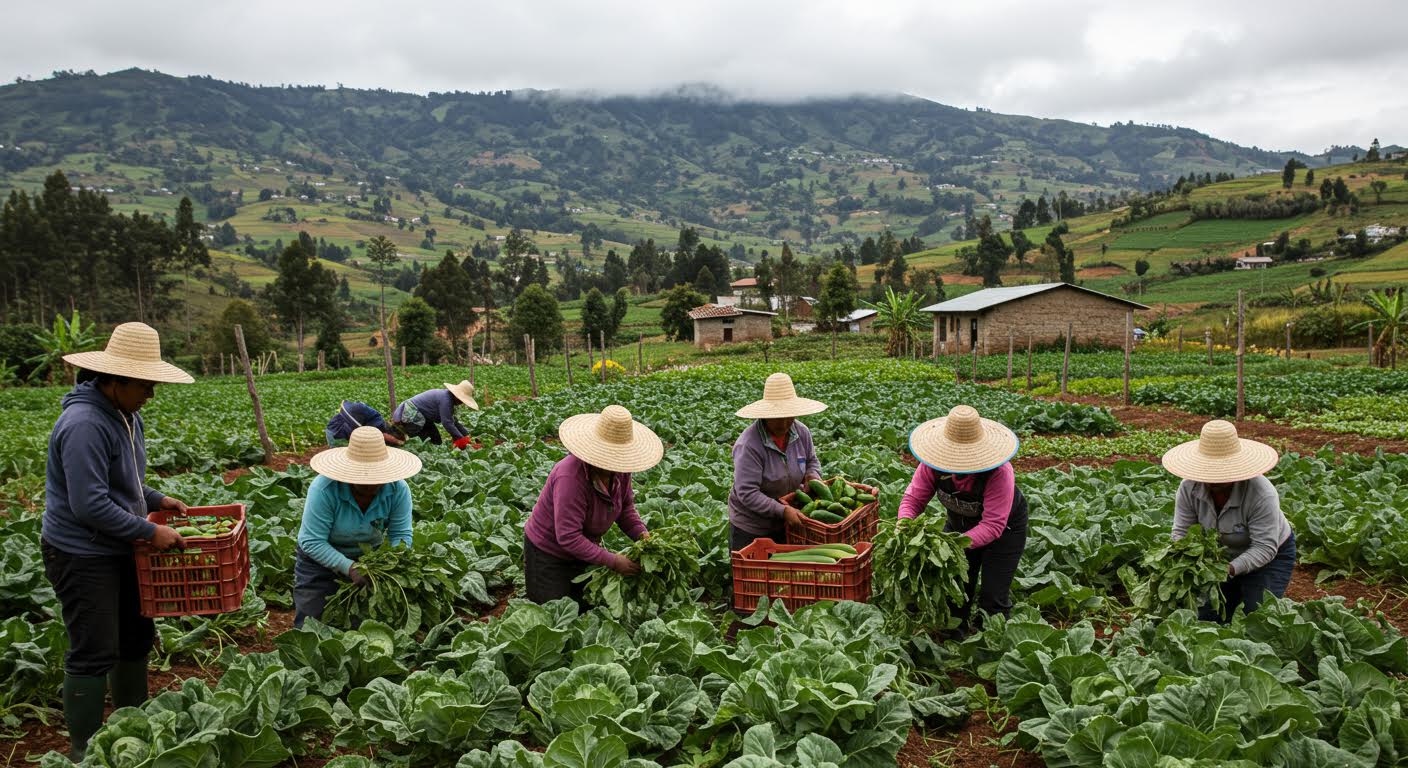
Ecuador's remarkable geography creates one of the world's most diverse agricultural landscapes, directly shaping what lands on your plate at restaurants across the country. From coastal plains to Andean highlands and Amazon rainforests, local farms form the backbone of Ecuador's food supply, creating distinctive regional dining experiences that reflect the land itself.
Ecuador's Agricultural Foundation
Ecuador's position on the equator, combined with dramatically varying altitudes and microclimates, allows farmers to grow an incredible variety of crops year-round. Small and medium-scale farms dominate domestic food production, with most family operations spanning just 1 to 20 hectares.
The coastal region delivers rice, bananas, cocoa, and tropical fruits, while the Sierra highlands produce potatoes, quinoa, corn, and cool-weather vegetables. The Amazon contributes exotic fruits, medicinal plants, and specialty crops that add unique flavors you won't find anywhere else.
According to the Food and Agriculture Organization, these local farms employ about 25% of Ecuador's workforce and play a crucial role in food security by reducing dependence on imports. The incredible diversity means restaurants can source ingredients grown surprisingly close to home, keeping everything fresh while supporting their local communities.
How Restaurants Connect with Farms
The path from Ecuador's farms to restaurant tables follows several routes. In smaller cities and towns, many restaurants maintain direct relationships with nearby farms, with chefs actually visiting growing areas to handpick specific varieties.
In major cities like Quito and Guayaquil, bustling regional markets serve as crucial meeting points, bringing together products from multiple farms. These markets buzz with early morning wholesale activity where chefs and restaurant managers source their daily ingredients.
However, keeping a steady supply flowing isn't always easy. Weather changes, seasonal growing cycles, and transportation hiccups can affect both availability and prices. Smart restaurants work with multiple suppliers and stay flexible, adapting their menus based on what's fresh and available locally.
Seasonal Menus and Regional Character
Ecuador's restaurant scene moves to the natural rhythm of agricultural seasons, with menus shifting based on harvest cycles. Coastal restaurants showcase more seafood and tropical fruits during peak seasons, while highland establishments feature root vegetables and grains according to planting and harvest schedules.
This seasonal approach has shaped traditional dishes that evolved around locally available ingredients. Highland locro de papas celebrates regional potatoes, while coastal ceviche incorporates locally caught fish and area citrus varieties. Many restaurants now highlight these seasonal specialties as a way to connect diners with agricultural traditions.
Regional differences in soil, climate, and farming practices create distinct flavor profiles that restaurants use to stand out. A potato grown in volcanic soil near Cotopaxi tastes completely different from the same variety grown in coastal regions, giving chefs opportunities to create truly location-specific dishes.
The Farm-to-Table Movement Takes Root
More Ecuadorian restaurants are embracing farm-to-table principles, proudly showcasing their local ingredient sources and direct farm partnerships. This approach appeals to environmentally conscious diners and those wanting to support local communities.
Some establishments have developed exclusive relationships with specific farms, ensuring consistent quality while providing farmers with reliable income. These partnerships often involve restaurants pre-purchasing crops or covering input costs in exchange for guaranteed delivery of specific products.
Tourism has boosted interest in locally sourced dining experiences, with visitors seeking authentic flavors and connections to regional food traditions. Restaurants that can tell compelling stories about their ingredients' origins often command higher prices and build stronger customer loyalty.
Government and Development Support
Ecuador's Ministry of Agriculture provides technical assistance, seeds, and equipment to small farmers, helping them boost productivity and quality. These programs focus on strengthening the foundation that restaurants depend on.
International organizations like USAID and the Inter-American Development Bank support initiatives that improve farming practices, post-harvest handling, and market access. These programs often focus specifically on connecting farmers with buyers, including restaurants and food service providers.
Infrastructure investments in rural roads and cold storage facilities have dramatically improved farmers' ability to deliver fresh products to urban markets, expanding the range of restaurants that can reliably source local ingredients.
Economic and Environmental Benefits
When restaurants buy locally, the economic benefits ripple throughout regional communities. Money stays within local economies, supporting farming families and rural areas. This circulation helps maintain agricultural diversity and keeps rural communities vibrant.
Shorter supply chains also deliver environmental wins through reduced transportation emissions and less packaging. Fresh produce can be harvested closer to peak ripeness when it doesn't need to travel far, resulting in better flavor and nutrition for diners.
According to the World Bank, Ecuador's local food systems are positioned for continued growth. Rising consumer awareness about food origins, combined with government support for small-scale agriculture, creates ideal conditions for strengthening farm-to-restaurant connections.
As Ecuador's restaurant industry continues evolving, the foundation provided by diverse local agriculture offers exciting opportunities for culinary innovation while preserving traditional food cultures and supporting sustainable rural livelihoods.