How Local Farms Shape Ecuador's Restaurant Scene and Food Security
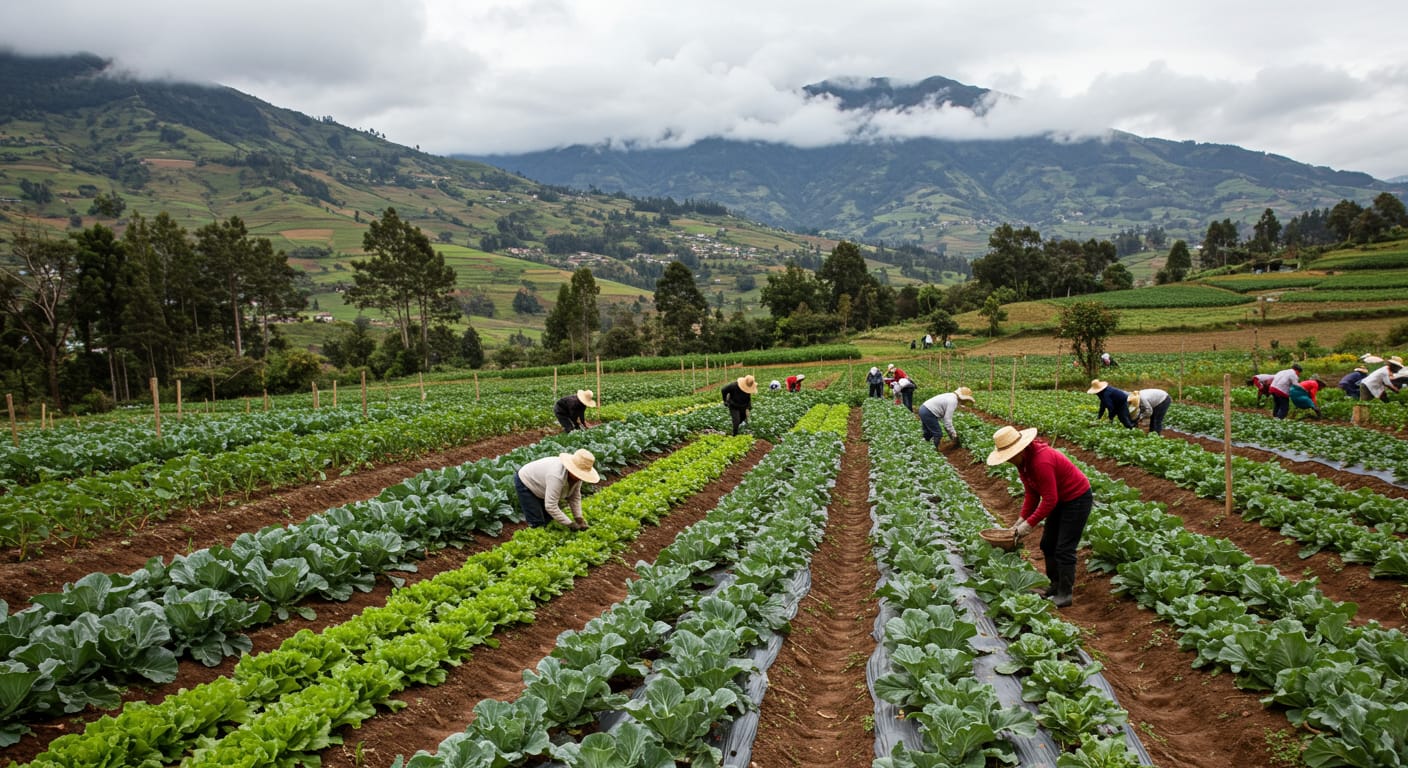
Ecuador's vibrant dining scene thrives on a network of local farms that stretch from coastal plains to Andean highlands, creating a food supply system that connects rural agricultural communities directly with urban restaurants and markets.
Ecuador's Agricultural Foundation
Ecuador's unique geography creates distinct agricultural zones, each contributing different crops to the national food supply. The coastal region produces tropical fruits, cacao, and rice, while highland areas focus on potatoes, quinoa, and cool-climate vegetables. The Amazon region contributes exotic fruits and specialty crops that have become increasingly popular in upscale restaurants.
Small-scale local farms represent a significant portion of Ecuador's agricultural production, with many family-owned operations spanning just a few hectares. These farms often combine traditional farming methods with modern sustainable practices, producing everything from organic vegetables to heritage grains and legumes that chefs prize for their unique flavors and nutritional profiles.
From Farm to Fork: How the Supply Chain Works
The journey from local farms to restaurant tables involves a complex network of distribution channels. Many small farmers sell their produce through regional markets, where restaurant buyers and food distributors source ingredients daily. This system allows restaurants to access the freshest possible ingredients while giving farmers direct market access.
Transportation presents ongoing challenges, particularly for farms in remote highland or jungle areas. The varied terrain requires different logistics solutions, from refrigerated trucks for coastal routes to smaller vehicles that can navigate mountain roads. Seasonal variations significantly impact availability, forcing restaurants to adapt their menus based on what local farms can provide throughout the year.
Restaurant Partnerships: Ecuador's Farm-to-Table Movement
A growing number of Ecuador's restaurants are establishing direct partnerships with local farms, cutting out intermediaries and ensuring consistent supply of high-quality ingredients. These relationships often involve advance planning, with restaurants working with farmers to coordinate crop rotations and harvesting schedules that align with menu needs.
Successful partnerships typically involve regular communication between chefs and farmers, allowing restaurants to build menus around seasonal availability while providing farmers with predictable income streams. Some restaurants have even invested in specific crops or livestock, creating exclusive supply arrangements that benefit both parties.
Menu planning in these establishments revolves around seasonal availability, with chefs designing dishes that showcase local ingredients at their peak. While this approach may result in higher food costs, many restaurants find that customers willingly pay premium prices for locally-sourced, fresh ingredients.
Economic and Social Benefits
Local sourcing creates significant economic benefits for rural farming communities. Direct sales to restaurants often provide better profit margins for farmers compared to selling through traditional wholesale markets. This additional income helps stabilize rural economies and can reduce migration from agricultural areas to cities.
The farm-to-restaurant supply chain creates employment opportunities beyond just farming, including transportation, processing, and logistics jobs. In some regions, entire communities have organized around serving the restaurant industry, developing specialized skills in post-harvest handling and quality control.
From a national perspective, strong local food systems reduce Ecuador's dependence on food imports while supporting food security. When restaurants source locally, they contribute to a more resilient food system that can better withstand supply chain disruptions.
Challenges Facing Local Food Systems
Climate change poses increasing challenges for Ecuador's local farms, with shifting rainfall patterns and temperature changes affecting crop yields and reliability. Farmers are adapting by diversifying crops and adopting climate-resilient farming practices, but these adjustments require time and investment.
Infrastructure limitations continue to affect distribution efficiency, particularly in remote areas. Poor road conditions, limited refrigeration facilities, and inadequate storage can result in post-harvest losses that make local sourcing more expensive and less reliable than imported alternatives.
Competition from large-scale industrial farming operations and imported produce pressures small local farms to maintain competitive pricing while meeting quality standards expected by restaurants. Many farms struggle to achieve the economies of scale necessary to compete effectively in wholesale markets.
Government Support and Future Outlook
The Ecuadorian government has implemented various programs to support local agriculture and strengthen connections between farms and restaurants. These initiatives include technical assistance for farmers, infrastructure improvements, and promotional programs that highlight the benefits of local sourcing.
International development partnerships provide additional support through funding for agricultural technology, training programs, and market development initiatives. These programs often focus on helping small farmers improve productivity while maintaining sustainable practices.
The adoption of new technologies, including improved seed varieties, efficient irrigation systems, and digital marketing platforms, is helping local farms become more competitive and reliable suppliers to the restaurant industry.
Looking ahead, the trend toward local sourcing appears likely to continue growing as consumers become more interested in food provenance and sustainability. This presents opportunities for expanding the local food system's role in Ecuador's dining sector while providing economic benefits to rural communities.