How Local Farms Shape Ecuador's Restaurant Scene and Dining Culture
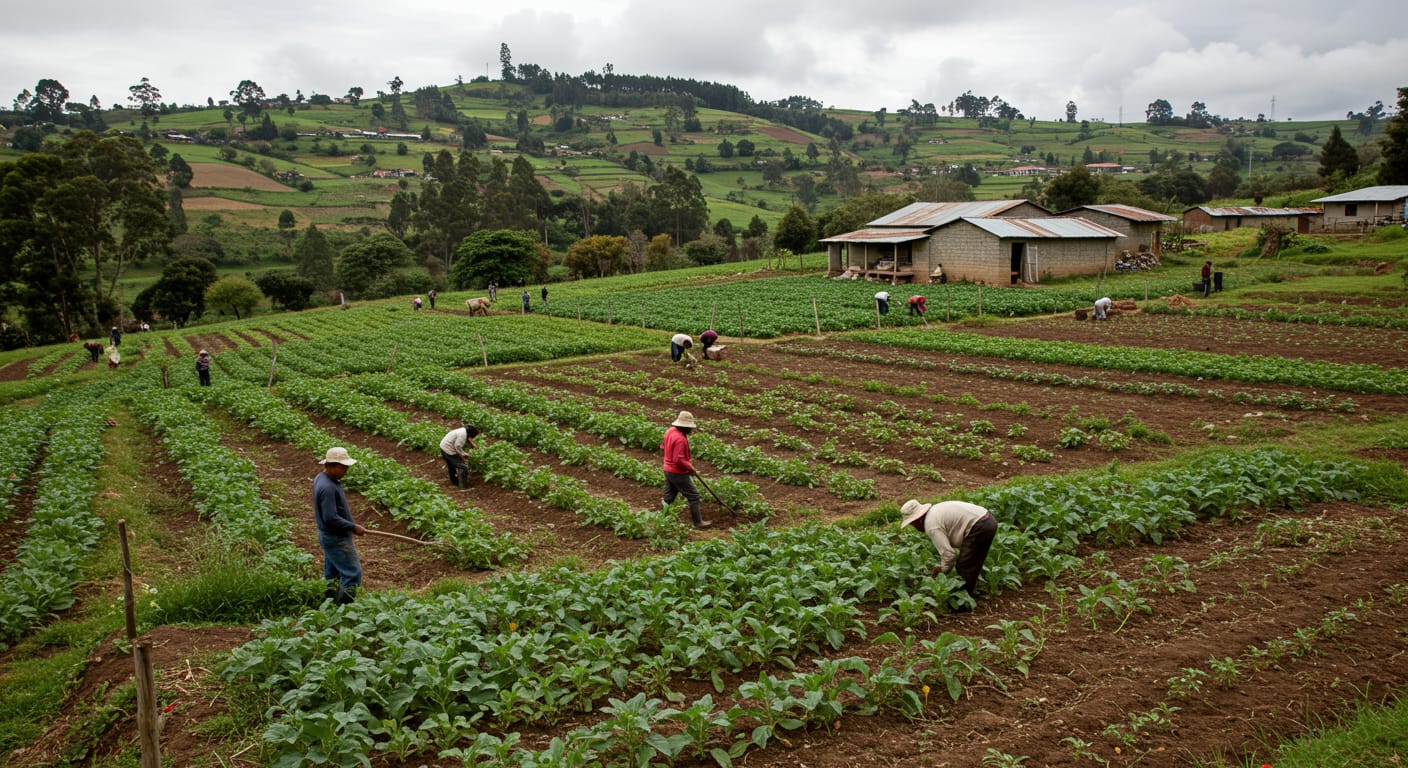
Ecuador's vibrant restaurant scene draws its character from the country's rich agricultural heritage. With smallholder farms forming the backbone of the nation's food system and agriculture employing roughly 25% of the population, local farms are essential suppliers of fresh ingredients to restaurants nationwide.
Ecuador's Agricultural Foundation and Restaurant Connections
Ecuador's food system relies heavily on smallholder farming operations spread across diverse climatic zones and ecosystems. This agricultural diversity creates abundant opportunities for restaurants to source locally—from coastal shrimp farms to highland potato growers and Amazon fruit producers.
Since farming communities employ about a quarter of Ecuador's workforce, they're deeply woven into local economies. This creates natural pathways for restaurants to establish direct relationships with nearby producers, often resulting in menus that showcase the authentic flavors of their specific regions.
The variety of crops and livestock raised across Ecuador's different zones enables restaurants to offer genuinely local dining experiences that vary dramatically from one region to another, creating distinct culinary identities that attract both locals and visitors.
Regional Farm Specialties Defining Local Dining
Ecuador's coastal region specializes in seafood and tropical agriculture, directly shaping seaside restaurant menus. Shrimp farms, fishing cooperatives, and plantain growers provide the foundation for coastal cuisine, with restaurants featuring daily catches and locally grown accompaniments.
In the highland regions, traditional Andean farming practices continue to influence restaurant offerings. Potato varieties, quinoa, and highland dairy products sourced from local farms create the authentic flavors that define Andean cuisine in both mountain restaurants and urban establishments.
The Amazon region contributes unique agricultural products that support indigenous dining experiences and eco-tourism restaurants. Local farms producing exotic fruits, medicinal plants, and traditional crops enable restaurants to offer authentic jungle cuisine that can't be replicated elsewhere.
These regional differences in farming create distinct local dining cultures, where restaurants serve as showcases for the agricultural heritage of their specific areas, making each region's food scene unique and authentic.
Navigating Local Sourcing Challenges
Despite the abundance of local farms, restaurants face several hurdles when establishing farm-to-table supply chains. Market access issues can complicate direct purchasing relationships, particularly for smaller restaurants that lack the volume or logistics capabilities to work directly with individual farms.
Climate change increasingly impacts seasonal menu planning as weather patterns become less predictable and affect crop timing and yields. Restaurant owners must become more flexible in their menu design to accommodate these agricultural realities.
Competition between local produce and imported ingredients presents ongoing decisions for restaurant operators. While imported items may offer consistency and lower costs, many establishments find success in highlighting local ingredients as premium offerings that justify higher menu prices.
Success stories are emerging of restaurants that have built strong direct partnerships with local farms. These relationships often involve advance planning, seasonal menu adjustments, and sometimes financial commitments that help farmers plan their crops while ensuring restaurants have reliable access to desired ingredients.
Policy Support Strengthening Farm-Restaurant Links
Government agricultural policies increasingly promote local food system development, creating frameworks that make farm-to-restaurant sourcing more viable. These initiatives often focus on improving market access for small farmers and reducing barriers to local food distribution.
International development programs support farm-to-market connections through infrastructure improvements, training programs, and financial assistance. The Inter-American Development Bank and other organizations specifically target the development of local food value chains that benefit both farmers and food service establishments.
Policy initiatives are beginning to influence restaurant procurement practices by making local sourcing more economically attractive and logistically feasible. Some programs provide incentives for restaurants that commit to local sourcing or help facilitate connections between farmers and food service buyers.
The economic benefits of local sourcing extend beyond individual restaurants to entire communities, as money spent on local ingredients circulates within regional economies rather than flowing to distant suppliers.
Future Trends in Farm-Restaurant Partnerships
Emerging trends show growing direct partnerships between farmers and restaurants, with some establishments forming exclusive relationships or even investing in farming operations to secure specific ingredients. These arrangements provide farmers with guaranteed markets while giving restaurants control over quality and timing.
Technology solutions are improving local sourcing logistics through platforms that connect farmers directly with restaurant buyers, streamline ordering processes, and optimize delivery routes. These innovations make local sourcing more practical for busy restaurant operators.
Consumer demand for local and sustainable ingredients continues to drive restaurant commitment to farm-to-table practices. Diners increasingly seek authentic, locally-sourced experiences, making local sourcing both a marketing advantage and a response to customer preferences.
The sustainability benefits of shortened food supply chains appeal to environmentally conscious consumers and restaurant owners alike. Reduced transportation distances, support for local communities, and preservation of agricultural diversity all contribute to the growing appeal of farm-to-restaurant relationships.