How Local Farms Shape Ecuador's Diverse Food Supply Chain
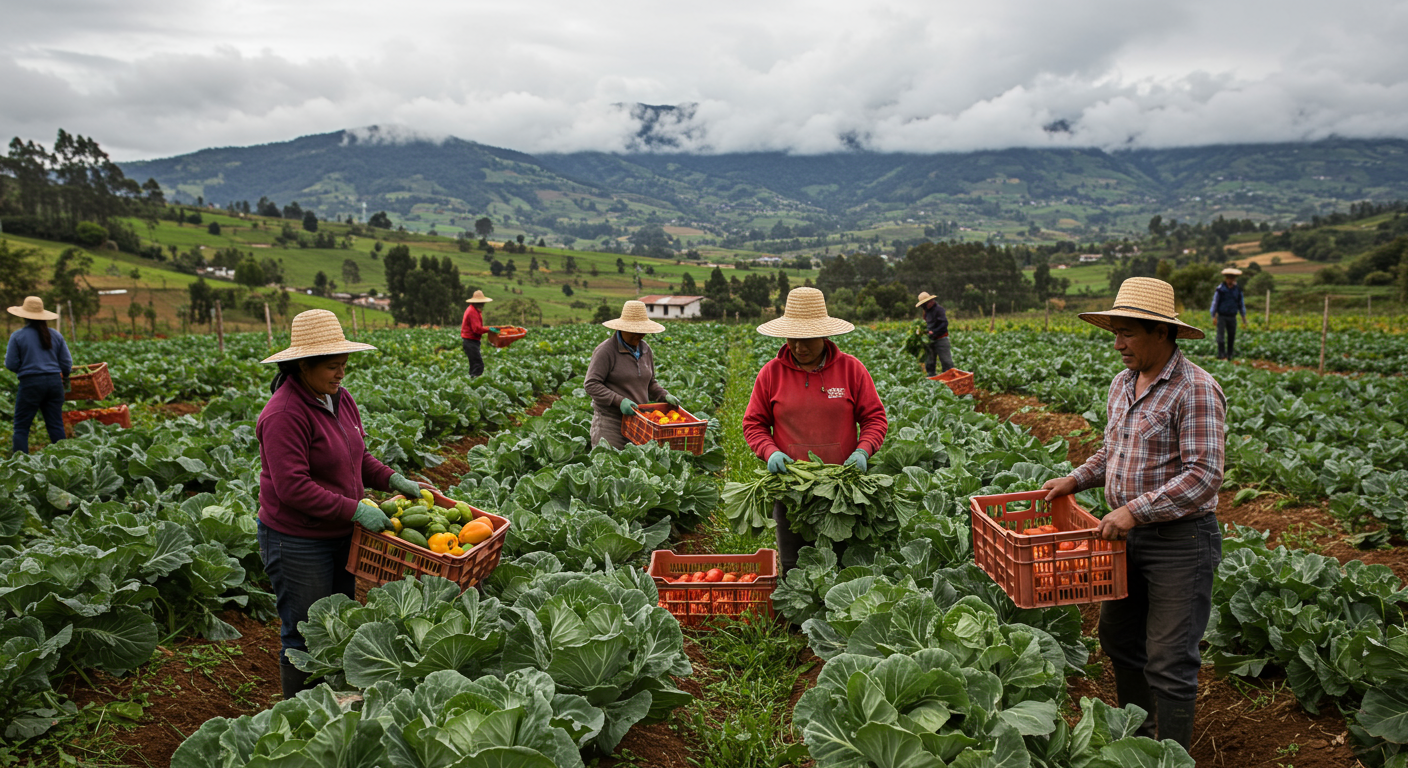
Ecuador's agricultural landscape tells a remarkable story of diversity, tradition, and innovation. From the coastal plains to the Andean highlands and into the Amazon basin, local farms form the backbone of a food supply system that feeds both neighborhood restaurants and international markets. Understanding this complex network reveals how geography, culture, and modern agricultural practices combine to create one of South America's most dynamic food systems.
Three Distinct Agricultural Regions
Ecuador's position straddling the equator creates three distinct agricultural zones, each contributing unique flavors to the country's food supply. The coastal plains stretch along the Pacific, creating ideal conditions for tropical crops that have made Ecuador famous worldwide. Here, banana plantations and cacao farms thrive in the warm, humid climate, with Ecuador consistently ranking as the world's top banana exporter according to the Food and Agriculture Organization.
Moving inland, the Andean highlands present an entirely different agricultural landscape. At elevations reaching over 3,000 meters, small family farms cultivate traditional crops that have sustained indigenous communities for centuries. Quinoa, potatoes, and other hardy grains grow in the cool mountain air, often using terraced farming methods passed down through generations. These highland farms produce much of the food that appears on local tables throughout Ecuador.
The Amazon region adds a third dimension to Ecuador's agricultural diversity. While less developed commercially than the coastal and highland areas, this region contributes exotic fruits, medicinal plants, and specialty crops that increasingly find their way into Ecuador's culinary scene and export markets.
Family Farms: The Heart of Ecuador's Food System
Family-operated farms dominate Ecuador's agricultural landscape, with smallholder agriculture playing a crucial economic role in rural communities. These farms, often spanning just a few hectares, represent more than simple agricultural operations—they preserve traditional knowledge and sustainable practices that have evolved over centuries.
Many of these family farms operate using techniques refined through generations of experience. Crop rotation, companion planting, and natural pest management methods developed by indigenous farmers continue to prove their effectiveness in modern agricultural contexts. This traditional knowledge becomes particularly valuable as the agricultural sector faces new challenges from climate change and market pressures.
The economic impact extends beyond individual families. Small-scale farming provides employment and income stability for rural communities, helping prevent urban migration and maintaining cultural connections to the land. However, these farmers face significant challenges in accessing modern markets, obtaining fair prices for their products, and competing with large-scale agricultural operations.
Feeding Both Ecuador and the World
Ecuador's agricultural success story plays out on two stages simultaneously. On the global stage, the country has established itself as a major exporter of bananas, cacao, and other tropical products. Coastal farms produce millions of tons of bananas annually, making Ecuador the world's largest banana exporter. Similarly, Ecuadorian cacao, prized for its fine flavor profile, supplies chocolate makers worldwide.
This export success creates interesting dynamics within the domestic food system. Many of the same farms that supply international markets also provide ingredients for local restaurants and food processors. Small cacao farmers, for example, might sell premium beans to international chocolate companies while also supplying local artisan chocolate makers in Quito or Cuenca.
The balance between export production and domestic food security requires careful consideration. Global market demands can influence local farming decisions, sometimes encouraging farmers to focus on export crops at the expense of traditional food crops. Government policies and agricultural extension programs work to maintain this balance, ensuring that international success doesn't compromise local food availability.
Government Support for Agricultural Growth
Ecuador's Ministry of Agriculture and Livestock has implemented various initiatives to support local farmers and strengthen the agricultural sector. These programs range from technical assistance and training to financial support and infrastructure development. Extension services help farmers adopt improved techniques while maintaining sustainable practices.
International partnerships play an important role in agricultural development. Organizations like USAID support programs focused on improving productivity, sustainability, and market access for small-scale farmers. The World Bank has also contributed through initiatives emphasizing food security, climate adaptation, and rural economic development.
Investment in rural infrastructure represents a key priority for agricultural development. Better roads, improved irrigation systems, and enhanced storage facilities help farmers reduce post-harvest losses and access broader markets. Educational programs provide training in modern farming techniques, business management, and sustainable practices.
Sustainable Practices for the Future
Ecuador's agricultural sector increasingly embraces sustainable farming practices, driven by both environmental concerns and market demands. Organic farming has grown significantly, with many small farms transitioning to certified organic production methods. This shift often builds upon traditional practices that avoided synthetic inputs, making the transition more natural for experienced farmers.
Indigenous farming methods are experiencing renewed interest as their environmental benefits become more widely recognized. Techniques like intercropping, where multiple crops grow together in the same field, improve soil health while maximizing land use. These practices also enhance biodiversity and create more resilient agricultural systems.
Consumer demand increasingly drives sustainable farming adoption. Both domestic and international buyers show growing preference for products grown using environmentally responsible methods. This market trend provides economic incentives for farmers to adopt sustainable practices, creating a positive feedback loop for environmental stewardship.
Overcoming Infrastructure Challenges
Despite Ecuador's agricultural potential, infrastructure challenges continue to limit many farmers' market access. Rural roads often become impassable during rainy seasons, making it difficult for farmers to transport their products to urban markets. This transportation bottleneck can result in food waste and reduced income for farmers.
Technology gaps also affect farm-to-table efficiency. Many small farms lack access to modern storage facilities, processing equipment, or communication technologies that could help them connect with buyers. However, innovative solutions are emerging, including mobile apps that connect farmers directly with restaurants and consumers, and cooperative arrangements that help small farms pool resources for better market access.
Climate change presents both challenges and opportunities for Ecuador's agricultural sector. Farmers are adapting to changing rainfall patterns and temperature variations by diversifying crops, improving water management, and adopting climate-resilient farming techniques. Government and international programs support these adaptation efforts through research, training, and financial assistance.
Ecuador's local farms continue to evolve, balancing traditional wisdom with modern innovations to meet the challenges of feeding both local communities and global markets. Their success in this endeavor will largely determine the future sustainability and prosperity of Ecuador's food system—and the quality of ingredients that reach your favorite restaurants throughout the country.