How Hidden Sugars Sneak Into Restaurant Meals and Everyday Foods
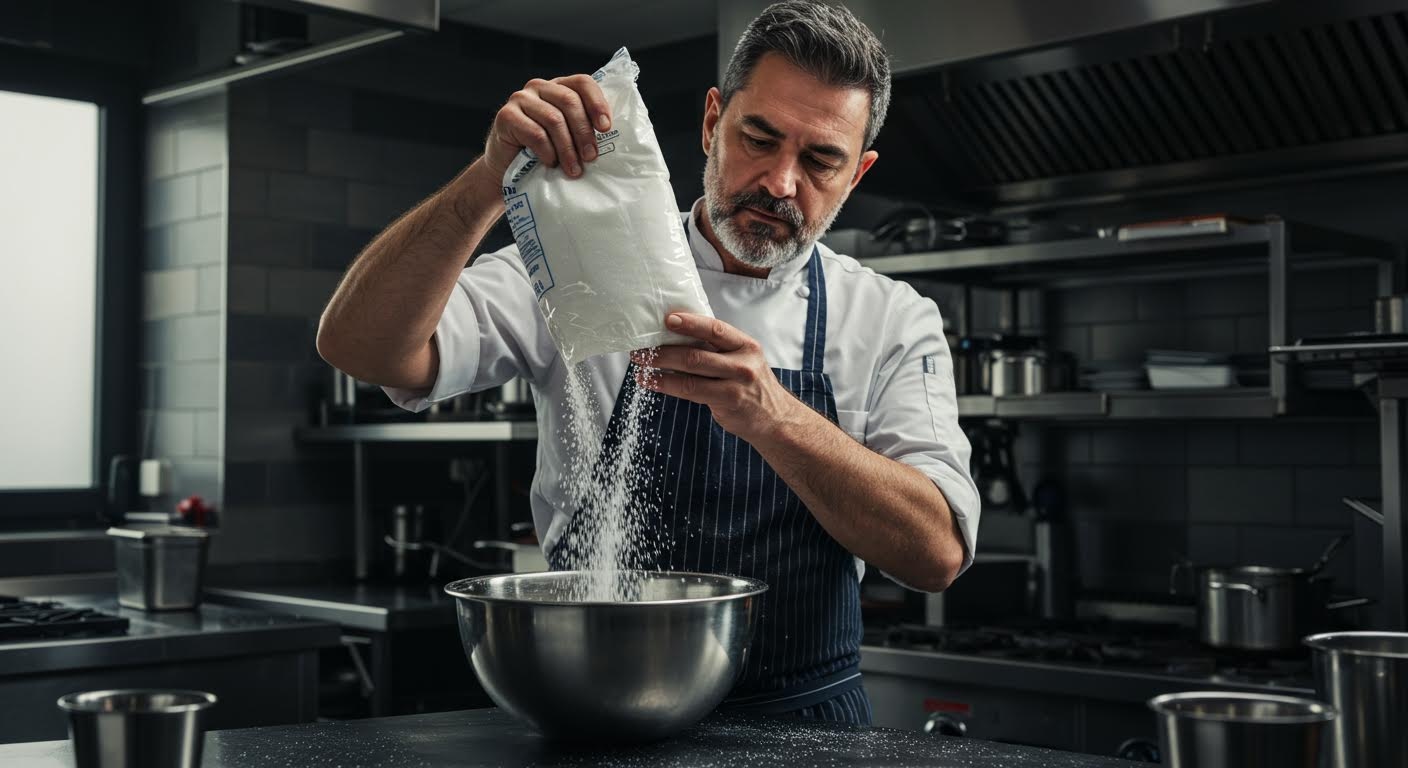
Sugar has a sneaky way of appearing where you least expect it when dining out. While you might skip dessert and avoid sodas, hidden sugars lurk in savory dishes, condiments, and even items marketed as healthy options. Understanding where these sugars hide can transform your dining experience and help you make better food choices.
Why Restaurants Load Up on Hidden Sugars
Restaurant meals contain significantly more added sugars than home-cooked alternatives, and there's a clear reason why. The food service industry relies heavily on sugar to enhance flavors, balance acidity, and extend the shelf life of prepared foods. Sugar acts as a flavor enhancer that makes dishes more appealing and keeps customers coming back for more.
According to FDA data, Americans consume far more sugar when dining out compared to eating at home. Restaurants use sugar strategically in marinades, sauces, and seasoning blends to create that irresistible taste that's hard to replicate in home kitchens. This practice has become so widespread that even savory dishes now contain substantial amounts of added sugars.
The 60+ Names Sugar Hides Behind
Sugar doesn't always appear as "sugar" on ingredient lists. Food manufacturers and restaurants use over 60 different names for various types of added sugars, making it challenging to spot them.
Common sugar aliases include dextrose, maltodextrin, and high fructose corn syrup. These scientific-sounding names often disguise significant sugar content in processed foods and restaurant preparations. Natural-sounding alternatives like agave nectar, coconut sugar, brown rice syrup, and cane juice may seem healthier, but they still count toward your daily sugar intake.
Other frequently used sugar names include barley malt, corn sweetener, fruit juice concentrates, honey, maple syrup, molasses, and turbinado sugar. Learning to recognize these terms helps you make better food choices when reviewing ingredient lists or nutritional information.
Savory Foods That Pack a Sweet Surprise
Some of the biggest sugar culprits hide in savory dishes where you'd never suspect them. Pasta sauces and marinara contain surprising amounts of added sugar, with some commercial varieties packing up to 12 grams per half-cup serving. Pizza sauce often includes sugar to balance tomato acidity and create that perfect flavor profile.
Salad dressings represent another major source of hidden sugars. Popular options like honey mustard, balsamic vinaigrette, and thousand island dressing can contain 3-8 grams of sugar per serving. Even seemingly innocent condiments like ketchup pack about 4 grams of sugar per tablespoon, while BBQ sauce can contain up to 6 grams.
Bread and rolls served at restaurants often contain sugar to improve texture and browning. Whole grain breads, despite their healthy reputation, frequently include added sugars like honey or molasses. Asian cuisine presents particular challenges, with dishes like teriyaki chicken, sweet and sour pork, and glazed items containing substantial sugar from sauces and marinades.
Beverage Traps Beyond Obvious Sodas
While everyone knows sodas are loaded with sugar, many other beverages contain shocking amounts of hidden sweeteners. Specialty coffee drinks like flavored lattes, frappuccinos, and seasonal beverages can contain 25-50 grams of sugar per serving. Even a medium vanilla latte contains about 35 grams of sugar.
Smoothies and fresh juices, often seen as healthy options, concentrate natural sugars from multiple fruits without the fiber benefits of whole fruit. A typical restaurant smoothie can contain 40-60 grams of sugar—equivalent to multiple sodas.
Alcoholic beverages with mixers present another hidden source. Cocktails made with cranberry juice, simple syrup, grenadine, or flavored liqueurs can contain 20-30 grams of sugar per drink. Sports drinks and enhanced waters marketed for health benefits often include significant added sugars to improve taste.
Reading Menus and Labels Like a Pro
The FDA's updated Nutrition Facts labels now distinguish between total sugars and added sugars, making it easier to identify hidden sweeteners. When dining out, take advantage of requirements for chain restaurants to provide nutritional information upon request.
Learn to recognize menu descriptions that signal high sugar content. Words like "glazed," "honey-roasted," "caramelized," "barbecued," and "teriyaki" typically indicate added sugars. Dishes described as "sweet and tangy" or "balanced" often achieve that balance through added sweeteners.
Many restaurant chains now provide nutritional information through mobile apps and websites. Use these tools to check sugar content before ordering, allowing you to make informed decisions about your meal choices.
Smart Strategies for Low-Sugar Dining
Successful sugar-conscious dining starts with asking the right questions. Inquire about preparation methods and request sauces and dressings on the side. Many restaurants accommodate requests to prepare dishes without added sugars or substitute lower-sugar alternatives.
Focus on naturally low-sugar preparation methods like grilling, steaming, or roasting without glazes. Choose oil-based dressings over cream-based options, and opt for fresh herbs and spices instead of pre-made sauces.
The American Heart Association recommends limiting added sugars to no more than 25 grams per day for women and 36 grams for men. When dining out, keep this daily limit in mind and plan accordingly. If you know you'll be eating a meal with hidden sugars, balance it by choosing water instead of sugary beverages.
Mediterranean, traditional Mexican (without sweet sauces), and steakhouse cuisines typically offer more naturally low-sugar options. Look for menu sections featuring grilled proteins, fresh vegetables, and simple preparations.