How Food Handling Practices Affect Nutrition and Safety
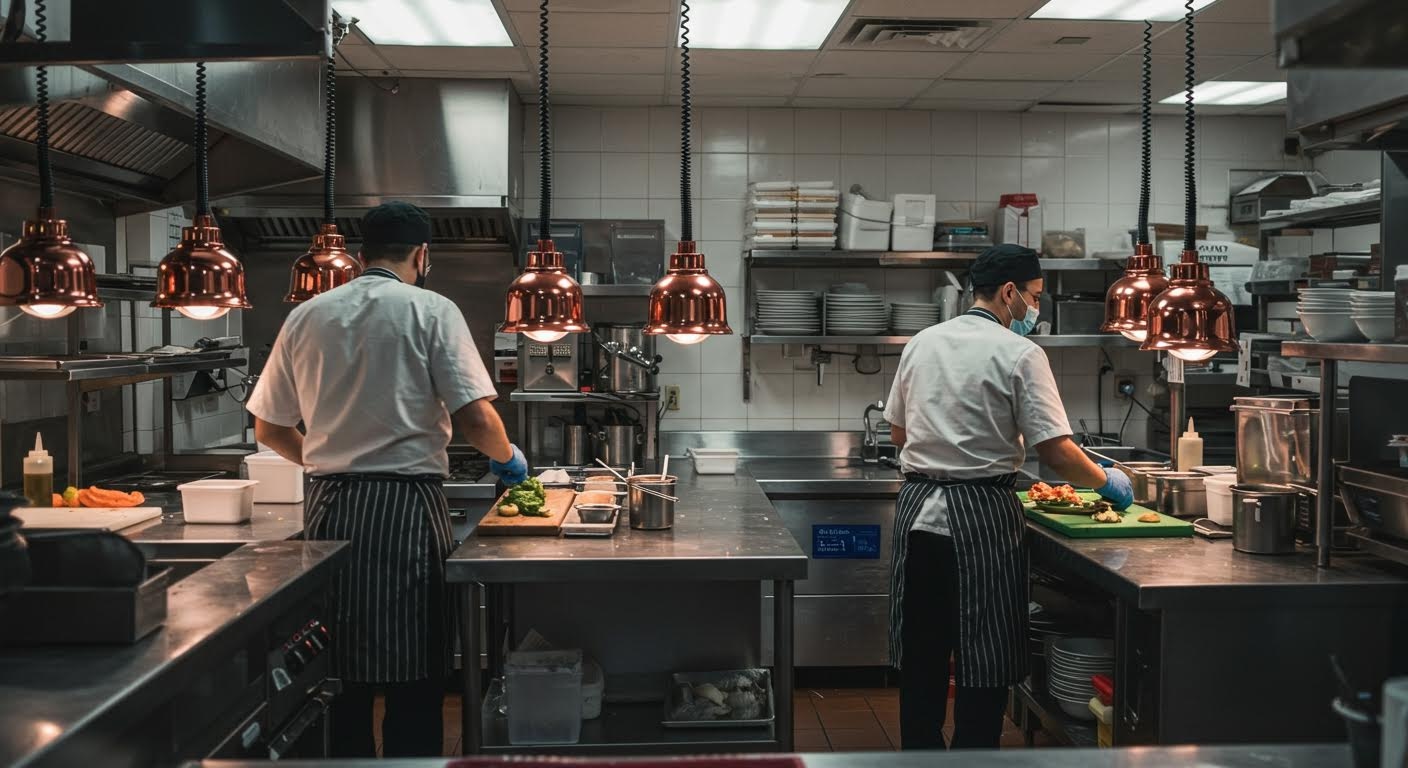
Food safety and nutrition go hand in hand, with proper handling practices serving as the foundation for both preventing illness and preserving the nutritional value of our meals. Whether you're dining out or cooking at home, understanding these principles can significantly impact your health and dining experience.
The Foundation of Safe Food Handling
The Food and Drug Administration's Food Safety Modernization Act represents a major shift toward preventing foodborne illness rather than simply responding to outbreaks after they happen. This preventive approach recognizes that proper food handling must be integrated throughout the entire food system, from farm to table.
The World Health Organization considers food safety a global public health priority, noting that unsafe food containing harmful bacteria, viruses, parasites, or chemical substances causes more than 200 diseases. This global perspective shows why proper handling techniques are critical not just for preventing immediate illness, but for maintaining the nutritional quality that supports long-term health.
Here's the key connection: many of the same conditions that promote bacterial growth also speed up the breakdown of essential vitamins and minerals in food. That's why good food handling protects both your safety and your nutrition.
The Four Essential Food Safety Steps
The Centers for Disease Control and Prevention outlines a straightforward approach to food safety that centers on four fundamental practices:
Clean: Proper hand washing remains the single most effective way to prevent foodborne illness. This extends beyond personal hygiene to sanitizing all surfaces, utensils, and equipment that touch food. Regular cleaning prevents bacteria buildup that can compromise both safety and nutritional quality.
Separate: Cross-contamination between raw and cooked foods is one of the most common causes of foodborne illness. This means using dedicated cutting boards, utensils, and storage areas for different food types—especially keeping raw meats separate from ready-to-eat items.
Cook: Reaching proper internal temperatures eliminates harmful pathogens while preserving nutritional content. Different foods need specific temperature thresholds to ensure safety without overcooking, which can destroy vitamins and minerals.
Chill: Temperature control through proper refrigeration and storage prevents bacteria from multiplying while slowing the natural processes that reduce nutritional value over time.
Why Temperature Control Matters for Safety and Nutrition
Temperature management affects both food safety and nutrition in significant ways. The "danger zone" between 40°F and 140°F creates perfect conditions for bacterial growth, but these same temperatures also speed up the breakdown of heat-sensitive vitamins like vitamin C and several B vitamins.
Safe cooking temperatures vary by food type: poultry should reach 165°F, ground meats 160°F, and whole cuts of beef, pork, and lamb 145°F with a three-minute rest period. These temperatures eliminate pathogens while minimizing overcooking that destroys nutrients.
Cold storage serves double duty in food safety. Refrigeration at 40°F or below significantly slows bacterial growth while preserving water-soluble vitamins and preventing nutrient oxidation. Freezing at 0°F stops bacterial growth entirely and can maintain nutritional quality for months when done properly.
Professional Standards in Restaurants and Food Service
Food handling certification programs provide comprehensive training that covers both safety and nutritional considerations in food preparation and service. These programs teach proper storage techniques that maintain safety and nutritional integrity together.
The U.S. Department of Agriculture establishes farm-to-table safety protocols that restaurants and food service operations must follow. These guidelines ensure nutritional quality is preserved from harvest through service, creating a complete framework for maintaining food integrity.
Professional food service operations invest in staff training, proper equipment, and systematic procedures to maintain high standards for both safety and nutrition. Home cooks can apply many of these same practices by understanding proper storage temperatures, using food thermometers to verify safe cooking, and following established timelines for food storage and consumption.
What to Look for When Dining Out
Several signs can help you assess a restaurant's commitment to proper food handling. Clean dining areas and restrooms often reflect overall sanitation standards, while visible food safety certifications show that staff have proper training and management takes protocols seriously.
Pay attention to temperature control—hot foods should be kept hot and cold foods properly chilled during service. Well-managed buffets with proper heating and cooling equipment, plus regular food rotation, indicate attention to temperature management that protects both safety and nutrition.
Food safety ratings and health department scores provide objective measures of how well a restaurant follows established protocols. Many areas require these ratings to be displayed prominently, giving you easy access to this information when choosing where to eat.
Understanding these factors helps you make informed dining choices while supporting establishments that prioritize proper food handling. The relationship between food handling practices and both nutrition and safety shows why these protocols matter beyond just preventing immediate illness—they preserve the nutritional value that makes food beneficial while creating safe conditions for enjoyable dining experiences.