How Ecuador's Geography Shapes Its Cuisine: From Coast to Rainforest
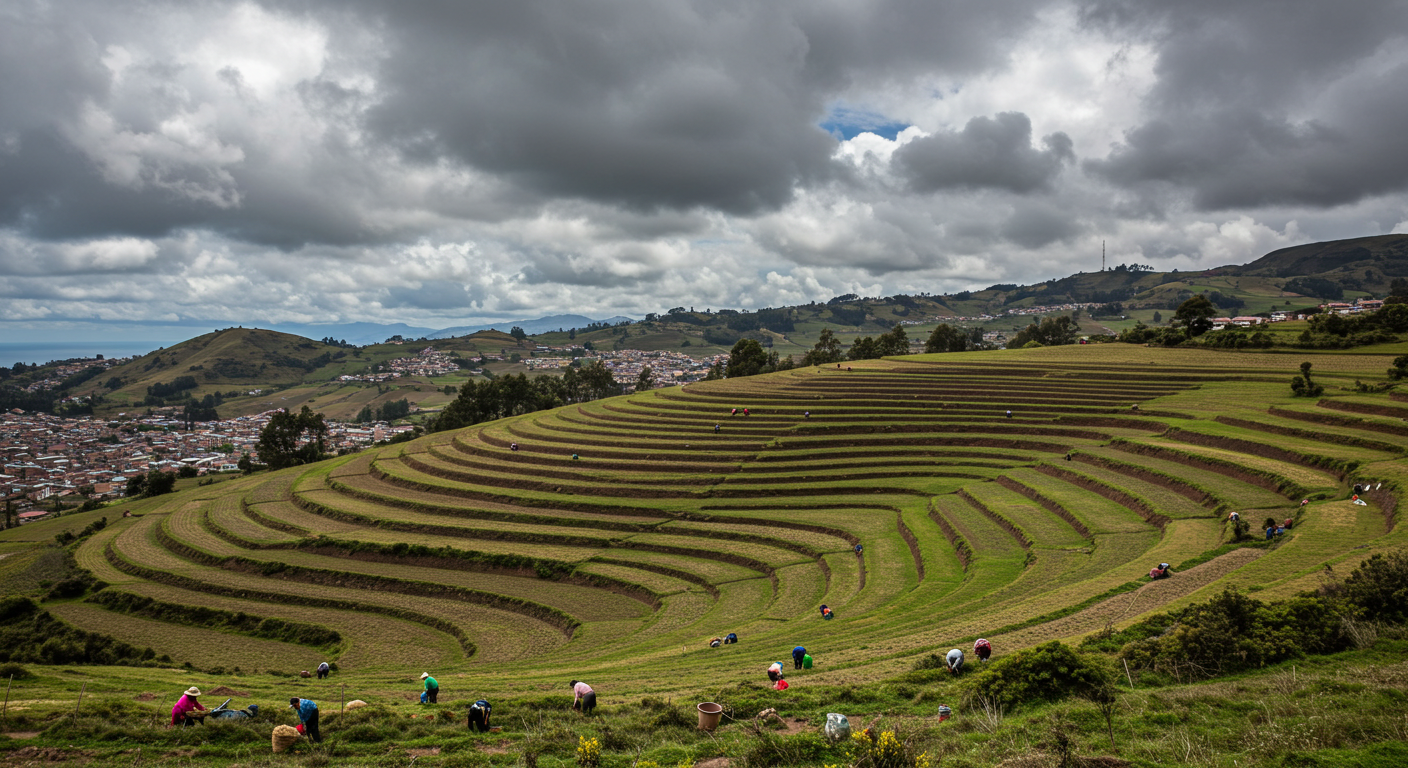
Despite being one of South America's smallest countries, Ecuador boasts extraordinary culinary diversity that mirrors its dramatic geographical contrasts. From the Pacific coastline to towering Andean peaks, from dense Amazon rainforest to remote volcanic islands, each of Ecuador's four distinct regions has developed its own culinary identity shaped by altitude, climate, and local natural resources.
The Pacific Coast: Where Ocean Meets Table
Ecuador's coastal region stretches along the Pacific Ocean, where tropical climate and abundant marine resources create a cuisine centered around fresh seafood. Warm, humid conditions and fertile coastal plains provide ideal growing conditions for rice, plantains, and coconut palms—the foundation of coastal cooking.
Ceviche reigns supreme here, with fresh fish and shrimp "cooked" in citrus acids and served with sweet potato and corn. The hearty soup encebollado, made with fresh tuna, yuca, and red onions, reflects the region's emphasis on combining oceanic proteins with starchy root vegetables. Coconut milk appears frequently in both savory and sweet preparations, taking advantage of abundant palm groves that thrive in the coastal humidity.
Cooking techniques have adapted to the warm climate, emphasizing fresh preparations, quick cooking methods, and dishes that provide sustenance in tropical heat. Rice serves as the staple grain, often cooked with coconut milk or seafood broth to create filling accompaniments to the region's protein-rich seafood dishes.
The Andean Highlands: Sustenance at Altitude
High in the Andes mountains, where thin air and cool temperatures dominate, Ecuadorian cuisine takes on a heartier character designed to provide warmth and energy at altitude. The indigenous agricultural heritage shines here, with potatoes serving as the cornerstone of highland cuisine alongside quinoa, corn, and other native grains.
Hornado—slow-roasted pork served with hominy and fried plantains—exemplifies the region's approach: long, slow preparations that develop deep flavors while providing calories needed for mountain living. Locro de papas, a rich potato soup often enhanced with cheese and herbs, demonstrates how simple highland ingredients transform into satisfying comfort food.
The high-altitude environment shapes both ingredients and techniques. Root vegetables and hardy grains that withstand cool temperatures dominate, while cooking methods involve longer preparation times and heartier seasonings. The tradition of roasting meats over wood fires provides warmth during preparation and imparts distinctive smoky flavors that characterize Andean cuisine.
The Amazon Basin: Rainforest Flavors
Ecuador's Amazon region presents perhaps the most exotic and diverse culinary landscape, where incredible biodiversity translates directly into unique ingredients and flavors. River fish like tilapia and catfish replace ocean varieties, while tropical fruits, exotic vegetables, and indigenous staples like yuca create entirely different flavor profiles from the coast or highlands.
Traditional cooking methods reflect the forest environment, with foods often wrapped in banana leaves or cooked in clay pots that impart earthy flavors. Chicha, a fermented beverage made from yuca or corn, represents indigenous fermentation techniques adapted to warm, humid climate. Fresh fruits like cacao, passion fruit, and numerous varieties unknown outside the region provide natural sweetness and complex flavors.
The Amazon's isolation has preserved indigenous cooking traditions while the region's incredible biodiversity continues to offer ingredients found nowhere else. Dishes combine river proteins with foraged vegetables and fruits, creating meals that directly reflect the rainforest's natural abundance.
The Galápagos Islands: Isolation and Innovation
The remote Galápagos Islands present unique culinary challenges and opportunities. Geographic isolation means limited local agriculture, creating a cuisine that blends mainland Ecuadorian traditions with creative adaptations to island constraints. Conservation requirements further influence food choices, emphasizing sustainable practices and imported ingredients.
Island cooking features creative fusion approaches, combining traditional Ecuadorian techniques with sustainably sourced ingredients. Fresh seafood remains abundant, but preparation styles may blend coastal techniques with highland heartiness, depending on the cook's mainland origins. The isolation has fostered innovation, with island cooks developing unique preparations that reflect both Ecuadorian culinary heritage and the practical realities of island living.
Colonial Influence Across Landscapes
Spanish colonization affected each region differently, largely due to geographical barriers that allowed distinct traditions to develop and persist. In coastal areas, Spanish techniques merged with abundant seafood and tropical ingredients. Highland regions saw European livestock and grains integrated with indigenous potatoes and corn, while the Amazon's relative inaccessibility helped preserve many pre-Columbian cooking methods.
Geographic isolation between regions meant colonial influences didn't create uniform change across Ecuador. Instead, each area developed its own fusion of Spanish techniques with local ingredients, creating the regional diversity that characterizes modern Ecuadorian cuisine. Mountain barriers, dense forests, and coastal plains acted as natural preservers of distinct culinary identities.
Tasting Geography: Where to Experience Regional Cuisines
To truly understand how geography shapes Ecuadorian cuisine, you can explore key locations that showcase each region's specialties. Guayaquil and coastal markets offer the freshest ceviches and seafood preparations, while Quito and highland markets feature traditional potato-based dishes and roasted meats.
Cuenca provides an excellent window into traditional Andean cooking, with local markets showcasing highland ingredients and preparation methods. For Amazonian flavors, cities like Puyo or Tena offer access to rainforest ingredients and indigenous cooking techniques.
Modern Ecuadorian restaurants increasingly celebrate this geographical diversity, with chefs creating menus that tour the country's regions or fusion dishes that combine elements from different geographical areas. This culinary movement reflects Ecuador's growing appreciation for how its compact geography has created such remarkable culinary variety.