How Climate Change Is Transforming Ecuador's Food Production and Dining Scene
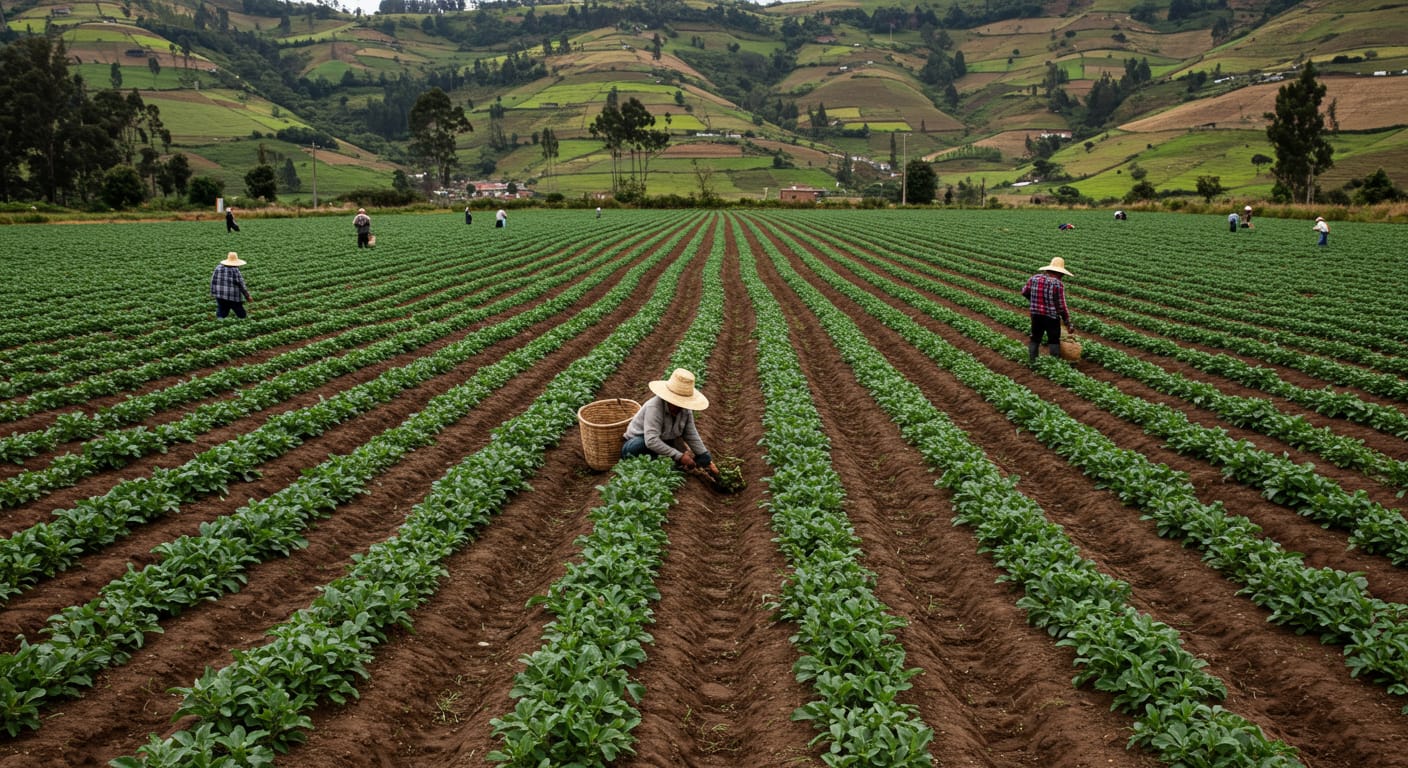
Ecuador's remarkable geographic diversity—spanning Pacific coastlines, towering Andean peaks, and dense Amazon rainforest—has long been the secret ingredient behind one of South America's most varied food scenes. But this same diversity now creates unique vulnerabilities as climate change disrupts centuries-old farming traditions and transforms what shows up on your plate.
Ecuador's Agricultural Landscape Under Pressure
Agriculture employs nearly a quarter of Ecuador's workforce and feeds both local tables and international markets. The country's three distinct regions each have their specialties: the coast dominates rice and banana production, highland areas grow potatoes and grains, while the Amazon nurtures cacao and exotic specialty crops.
This regional specialization works beautifully—until climate change strikes. When extreme weather hits one zone, entire food categories can disappear from markets overnight. Temperature swings, unpredictable rains, and severe storms are forcing farmers across all three regions to rethink everything they know about growing food.
Coastal Crisis: Rice and Banana Production at Risk
Ecuador's coast produces most of the country's rice and dominates global banana exports, but it's facing a perfect storm of climate challenges. Intense flooding followed by harsh droughts creates a brutal cycle that devastates both small farms and massive plantations.
Saltwater intrusion poses an especially nasty threat to coastal rice fields. Rising seas and stronger storms push saltwater inland, poisoning freshwater irrigation systems that have worked for generations. Farmers either abandon their land or face crushing costs for desalination equipment.
The billion-dollar banana industry isn't faring much better. A single storm can wipe out entire plantations, while subtle changes in temperature and humidity affect fruit quality and how long bananas stay fresh. These disruptions ripple through the entire supply chain, from export containers to your local market.
Highland Challenges: Farming Moves Uphill
In Ecuador's mountains, rising temperatures are literally pushing farmers higher. Traditional potato varieties that thrived at certain elevations now face temperatures too hot for optimal growth. Farmers must relocate to higher altitudes where land may be scarce or too steep for tractors.
Generations-old planting calendars no longer match reality. Crops like quinoa and barley that depend on predictable wet and dry seasons now face chaotic weather patterns, leading to failed harvests and frustrated farmers.
Water scarcity adds another layer of stress. Melting glaciers and erratic rainfall reduce water supplies just as hotter temperatures make crops thirstier. Mountain communities face heartbreaking choices between having enough water for drinking or for growing food.
Amazon Agriculture Under Threat
The Amazon's agricultural systems navigate a complex web of climate change and deforestation pressures. Cacao production, which requires precise humidity and rainfall, now faces either torrential rains that trigger fungal diseases or drought during crucial growing periods.
Indigenous communities possess incredible knowledge about rainforest farming built up over centuries. Yet even their time-tested wisdom struggles against rapid climate shifts, forcing experimentation with new crops and techniques while balancing conservation with survival.
From Farm to Table: What Diners Are Feeling
These agricultural upheavals hit Ecuador's dining scene hard. Restaurant owners report constant struggles to source reliable ingredients, forcing chefs to constantly revise menus and scramble for substitutes.
Price swings have become the new normal. Seasonal favorites may vanish from markets entirely during climate disasters, while price spikes can put basic staples out of reach for many families. The predictable rhythms of seasonal cooking—so central to Ecuadorian food culture—face serious disruption.
Urban diners, who depend entirely on rural production, see these impacts in emptier market stalls, higher grocery bills, and restaurants that can't serve signature dishes. The traditional calendar of seasonal ingredients becomes less reliable each year.
Some innovative chefs and restaurateurs are fighting back by championing locally-sourced, climate-resilient ingredients and building direct relationships with sustainable farmers. This climate-conscious dining movement represents both smart adaptation and new business opportunities for producers who can navigate changing conditions.
Fighting Back: Innovation and Adaptation
Government programs increasingly support agricultural climate adaptation through drought-resistant seeds, better irrigation technology, and training in sustainable practices designed to weather climate chaos.
Farmers themselves drive much of the innovation. Many diversify their crops to spread risk, implement water-saving techniques, and experiment with organic methods that build soil resilience. Community seed banks preserve traditional varieties while developing new ones for changing conditions.
Technology becomes increasingly crucial in the adaptation fight. Weather monitoring systems, precision irrigation, and mobile apps providing climate information help farmers make smarter decisions about when to plant and how to manage crops.
The restaurant industry contributes by supporting sustainable farmers, featuring climate-resilient ingredients, and educating diners about the connections between climate change and their food. This creates market rewards for adaptation while raising awareness about climate impacts on food systems.
Ecuador's food transformation represents both enormous challenge and exciting opportunity. Success requires continued teamwork between farmers, researchers, government agencies, and the entire food industry to build resilience while preserving the incredible agricultural diversity that makes Ecuadorian cuisine so special.