How Climate Change Is Reshaping Ecuador's Food Production and Dining Culture
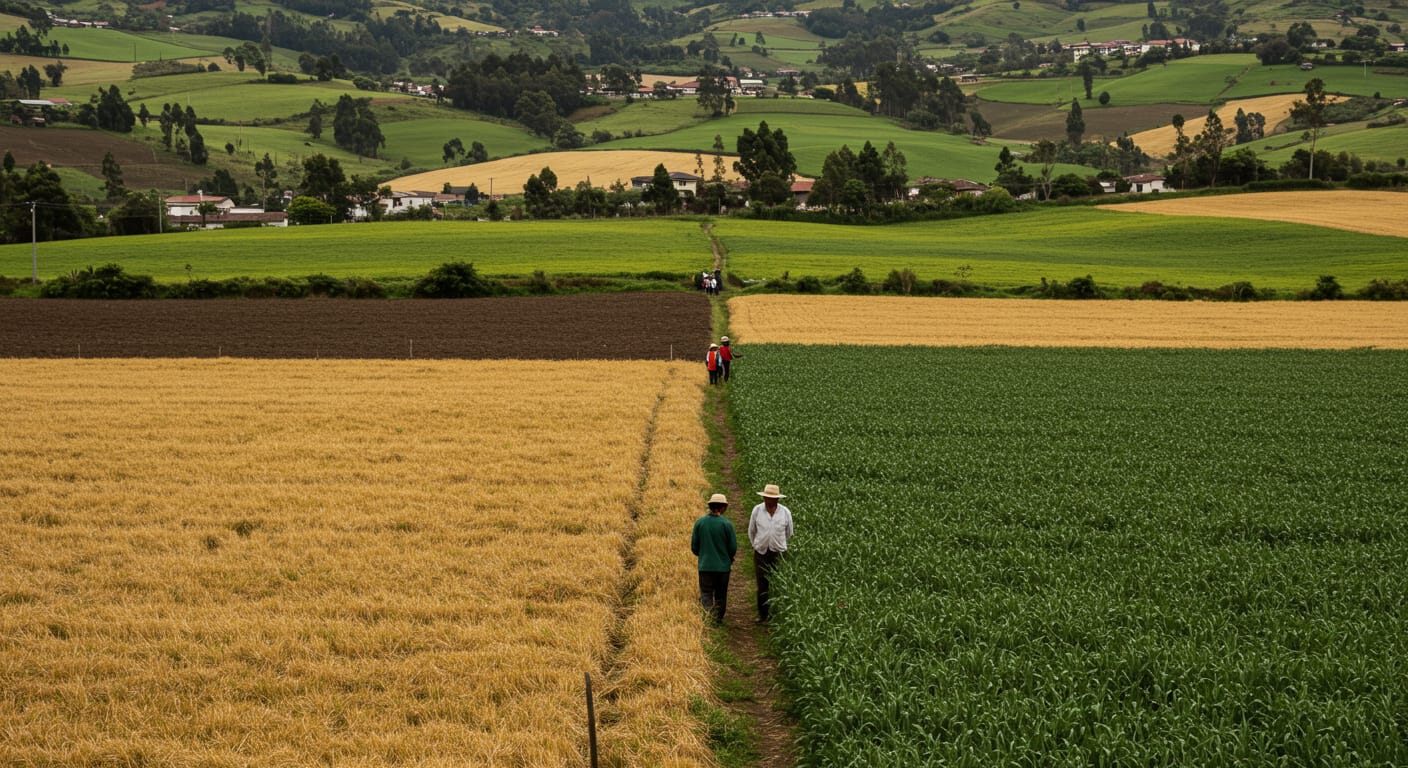
Ecuador's incredible culinary heritage—built on diverse agricultural zones stretching from the Pacific coast to the towering Andes—faces unprecedented challenges as climate change reshapes food production across the country. These environmental shifts aren't just affecting farmers; they're transforming what lands on your plate whether you're dining at a local restaurant or cooking at home.
Ecuador's Agricultural Sweet Spots Under Stress
Ecuador's geography has always been its secret weapon in the kitchen. Three distinct regions—coastal plains, Andean highlands, and the Amazon basin—each contribute essential ingredients that make Ecuadorian food so distinctive. Coastal banana plantations, mountain coffee farms, and highland potato fields have sustained the country's vibrant food culture for generations.
But rising temperatures, erratic rainfall, and increasingly wild weather patterns are disrupting agricultural systems that have fed Ecuador for centuries. These changes create ripple effects throughout the entire food chain, affecting everything from your neighborhood market's produce selection to restaurant menu planning.
Coastal Favorites: When Bananas and Chocolate Face the Heat
Ecuador's coast produces roughly one-quarter of the world's bananas, but changing rainfall patterns are creating a perfect storm of flooding and drought that threatens both quality and consistency. This doesn't just impact international exports—it affects the price and availability of this everyday staple in local markets and restaurants.
The country's world-famous cacao faces similar challenges. Traditional growing regions are experiencing temperature spikes and rainfall shifts that stress plants and compromise the distinctive flavors that make Ecuadorian chocolate so prized. When cacao quality suffers, it impacts everything from artisanal chocolate shops in Quito to dessert menus at your favorite restaurant.
These coastal crop challenges create a domino effect. Chefs and restaurant owners who build their menus around consistent, high-quality local ingredients must constantly adapt, sometimes turning to imported alternatives or completely rethinking seasonal offerings based on what's actually available.
Mountain Agriculture: Coffee and Andean Staples Climb Higher
Up in the mountains, rising temperatures are forcing coffee farmers to move their crops higher and higher up the slopes. This upward migration limits growing space and threatens farmers who've worked the same plots for generations. The result? Less coffee production and quality variations that affect both export markets and Ecuador's beloved coffee culture.
Traditional Andean crops like quinoa and potatoes—the backbone of indigenous cuisine for centuries—are also feeling the pressure. Shifting weather patterns disrupt planting cycles that have been followed for generations, reducing yields of ingredients fundamental to traditional dishes you'll find in local restaurants and home kitchens.
These highland challenges go beyond individual crops. Traditional farming practices passed down through families must adapt to new climate realities, often requiring resources and knowledge that small-scale farmers simply don't have access to.
When Weather Goes Wild
Extreme weather events are making everything worse. Extended droughts followed by intense flooding create chaotic growing conditions that make harvest planning nearly impossible. One bad storm can wipe out entire harvests, creating sudden shortages of key ingredients that ripple through the entire food system.
Transportation networks connecting rural farms to urban dining centers regularly face disruptions, leading to spoiled produce, delayed deliveries, and price swings that affect both restaurant operations and your grocery budget. According to the Food and Agriculture Organization, these supply chain disruptions are becoming more frequent and severe across Latin America.
Traditional seasonal dining patterns are being turned upside down. Restaurants that once offered predictable seasonal menus now adapt to irregular ingredient availability, while diners face inconsistent access to traditional foods during what should be peak harvest periods.
David vs. Goliath: Small Farmers Struggle More
Climate change hits small-scale farmers much harder than large agricultural operations. Small farmers—who produce much of the food for local markets and traditional cuisine—often lack resources for climate adaptation like irrigation systems, crop insurance, or resilient seed varieties.
Large export operations typically have better access to technology, financing, and technical expertise for dealing with climate challenges. This creates an unfair playing field where small farms that supply diverse, traditional ingredients struggle more than large operations focused on single export crops.
As small farmers struggle or give up, the diversity of local ingredients shrinks. This means greater reliance on imported foods and gradual changes to traditional cooking practices that have defined Ecuadorian cuisine for generations.
Looking Ahead: Adapting Food Culture
Ecuador's government and international organizations have launched climate adaptation programs to support agricultural resilience. These include drought-resistant seeds, improved irrigation, and farmer education programs designed to help agricultural communities adapt to changing conditions.
However, the long-term outlook suggests Ecuador's culinary landscape will keep evolving as climate change continues. Traditional dishes may require ingredient substitutions, seasonal dining patterns will shift, and the cost and availability of certain foods may change dramatically. The World Bank has identified agricultural adaptation as critical for Ecuador's food security and economic stability.
Food security concerns extend from rural farming communities to urban dining centers, where restaurants and consumers must adapt to new realities of ingredient availability and cost. This transformation challenges Ecuador to maintain its rich food culture while adapting to environmental changes that show no signs of slowing.
The intersection of climate change and food production in Ecuador represents more than just an agricultural challenge—it's a cultural and economic transformation that will reshape how Ecuadorians grow, prepare, and enjoy food for generations to come.