How Climate Change Is Affecting Food Production in Ecuador
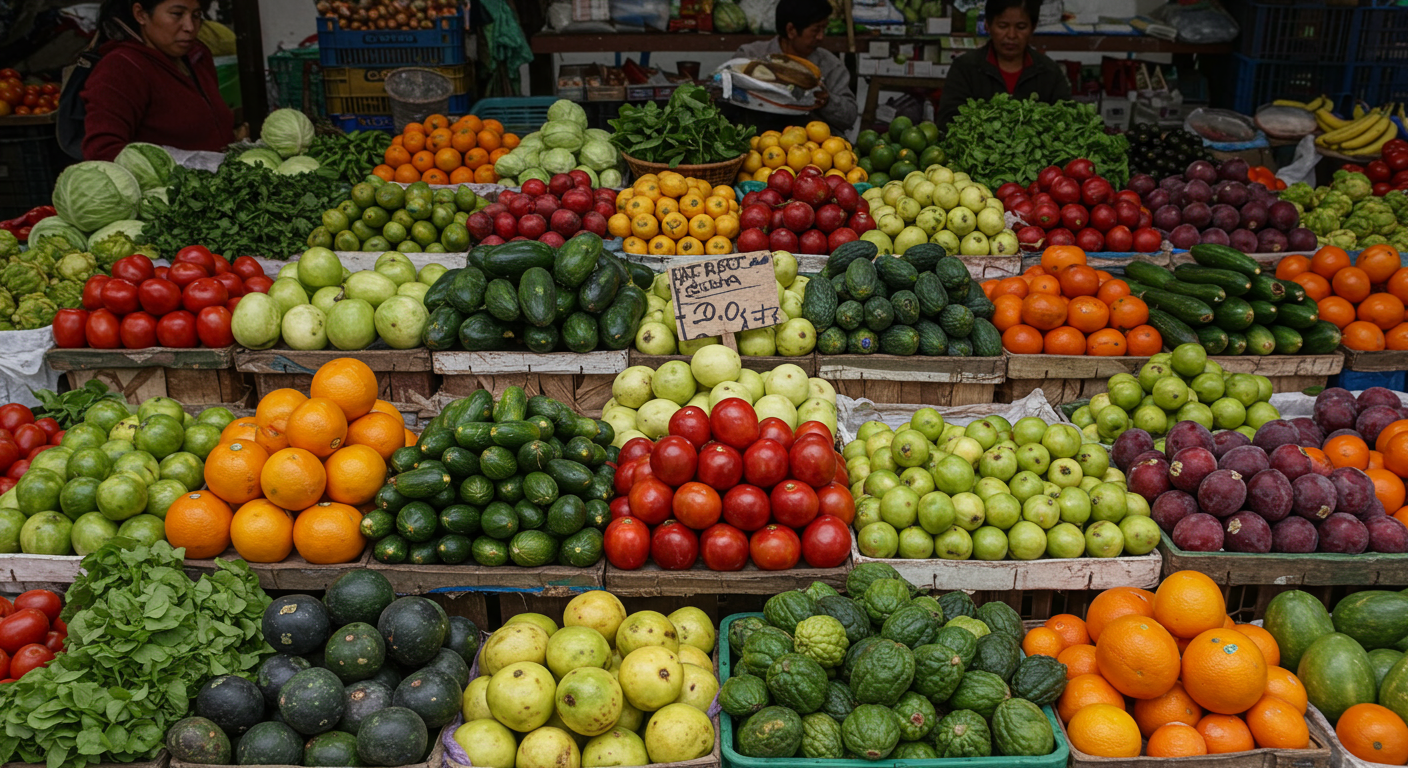
Climate change is often framed as an environmental issue, but in Ecuador it is also a food story. The country depends heavily on climate-sensitive agriculture, fisheries, and transport networks that move ingredients from rural producers to city markets and restaurant kitchens. When weather patterns become less predictable, the effects do not stop at the farm. They can show up in supply, quality, prices, and what diners ultimately find on the table.
In Ecuador, the main pressures are increasingly familiar: shifting rainfall, longer dry spells, extreme heat, flooding, and more volatile weather overall. Organizations such as the Food and Agriculture Organization and the World Bank have repeatedly identified these climate risks as major challenges for agricultural productivity, rural livelihoods, and food security across the region, including Ecuador.
Why climate change matters to Ecuador’s food supply
Ecuador’s food system is closely tied to natural cycles. Farmers depend on predictable rain, manageable temperatures, healthy soils, and reliable water supplies. Fishers and coastal food industries also depend on environmental stability. As those conditions become less dependable, production becomes harder to plan.
That matters far beyond the countryside. Wholesale markets, neighborhood shops, and restaurants all rely on a steady flow of ingredients. If planting is delayed, harvests shrink, roads are damaged, or storage is disrupted, the result can be shortages, uneven quality, and sudden price swings. For the dining sector, climate pressure is not an abstract future concern. It can quickly turn into a daily sourcing problem.
The main climate pressures reshaping production
One of the biggest issues is rainfall variability. When rains arrive late, fall too heavily, or come at the wrong point in the growing cycle, planting and harvest calendars can shift. Too little rain can reduce water availability for crops and livestock. Too much rain can waterlog fields, encourage disease, and make it harder to collect and transport harvests.
Drought and heat add another layer of stress. Higher temperatures can reduce productivity, increase irrigation needs, and put pressure on both crops and animals. Even when production does not collapse, yields may become more erratic, raising costs and uncertainty for producers.
Flooding and severe weather can be just as damaging. Fields can be lost, rural roads can become impassable, and food can spoil when storage and transport systems break down. In a country where geography already creates logistical challenges, climate-related damage can quickly affect how food moves from one region to another.
What this means for staple foods and everyday ingredients
For consumers, the most visible effect is often instability rather than one dramatic shortage. Climate volatility can affect the crops and ingredients used in everyday cooking, creating swings in availability from one season to the next. A product that is normally abundant may become harder to source, more expensive, or less consistent in quality.
That kind of disruption matters in homes and restaurants alike. Kitchens work best when supply is predictable. When weather events reduce output or interrupt deliveries, buyers may need to switch suppliers, accept smaller volumes, or adjust menus around what is available. Diners may notice this through changing seasonal offerings, higher prices, or substitutions driven less by creativity than by supply conditions.
Over time, repeated climate shocks can also undermine production planning. Producers may plant differently, delay investment, or scale back after losses, which can tighten supply in future seasons as well.
Export agriculture and fisheries are part of the picture too
Ecuador’s food economy is not limited to domestic consumption. It also includes major export-oriented agricultural sectors and fisheries, both of which are exposed to climate risk. Changes in rainfall, temperature, pests, and marine conditions can affect output, timing, and product quality depending on the region and sector.
These impacts matter at home even when production is aimed at foreign markets. Large food sectors support jobs, transport services, local purchasing power, and public revenue. When climate disruption affects them, the consequences can ripple through household income and food affordability, putting added pressure on both producers and consumers.
Marine and coastal systems are part of this broader picture as well. Environmental change at sea can alter catch patterns and supply conditions for seafood businesses, which then affects vendors, restaurants, and customers. In a food economy as interconnected as Ecuador’s, climate pressure in one area rarely stays isolated.
Why small producers face the biggest strain
Small farmers and rural communities often face the greatest risk because they usually have less room to absorb losses. A larger producer may have better access to irrigation, credit, insurance, storage, or technical support. Smaller operations may have to cope with failed planting, damaged fields, or unstable yields with limited savings and weaker bargaining power.
Repeated weather disruptions can force difficult decisions. Families may take on debt, reduce replanting, cut back on inputs, or change what they grow. In some places, these pressures can also affect local food access if nearby production becomes less reliable. The challenge is not just one bad season, but the cumulative effect of several unstable ones.
This vulnerability is especially important in Ecuador because rural livelihoods and food production are closely linked. When climate shocks hit small producers, the impact is economic and social at the same time.
How restaurants and diners feel the effects
Restaurants experience climate change through the supply chain. If producers face lower yields, transport delays, or higher production costs, food businesses often pay more for ingredients. That can squeeze margins, especially for smaller restaurants with less purchasing power and less ability to stock up when prices are favorable.
In practical terms, this may mean menu changes, smaller portions, ingredient substitutions, or more frequent price adjustments. Some businesses respond by sourcing more flexibly or leaning more heavily into seasonal cooking. Others may simplify menus to reduce exposure to volatile ingredient costs.
For diners, the effects can be subtle at first: a favorite dish is temporarily unavailable, seafood prices shift, produce quality varies, or menus become more seasonal out of necessity. Taken together, these changes show how climate pressure on production can shape the dining experience just as much as life on the farm.
What adaptation could look like
Adaptation does not eliminate climate risk, but it can reduce the damage. Common responses include better water management, improved forecasting, crop diversification, soil conservation, stronger storage and transport planning, and support that helps producers recover more quickly after extreme weather.
For the food business sector, resilience may also mean building more flexible supplier networks and planning menus around seasonal variability instead of assuming year-round consistency. The more resilient production becomes, the more stable the food supply is for markets, restaurants, and households.
In Ecuador, that makes climate adaptation more than an agricultural policy issue. It is also a question of economic resilience, rural stability, and the long-term health of the country’s dining culture. What happens in the field increasingly shapes what happens in the kitchen.