Fresh Markets vs Supermarkets in Ecuador: Where Should You Shop?
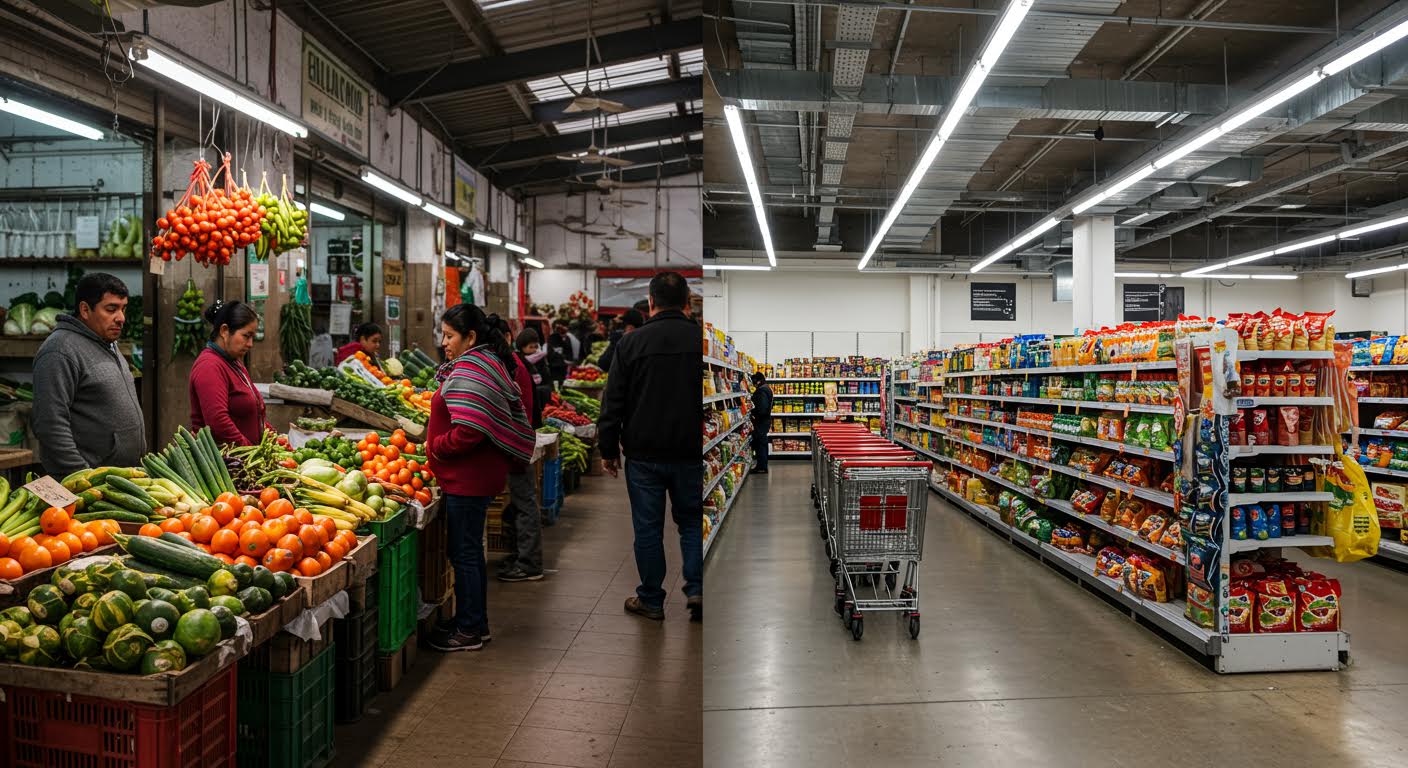
When it comes to food shopping in Ecuador, you'll face a delightful dilemma: the vibrant chaos of traditional fresh markets or the familiar comfort of modern supermarkets. Each offers distinct advantages, and understanding what makes them unique will help you shop smarter, whether you're chasing the freshest ingredients, stretching your budget, or simply trying to navigate daily life as smoothly as possible.
Fresh Markets: Where Ecuador Comes Alive
Step into any Ecuadorian market and you'll immediately understand why locals have been shopping this way for generations. These bustling spaces connect you directly with farmers and vendors who often grew or caught what they're selling just hours earlier.
The freshness factor alone makes markets irresistible. That bunch of cilantro was likely picked at dawn, those tomatoes haven't spent weeks in cold storage, and the fish vendor's catch might have been swimming yesterday. You simply can't get this level of freshness at most supermarkets.
Your wallet will thank you too. Without the overhead of fancy displays and corporate markups, market vendors offer prices that can make supermarket shopping feel like highway robbery. During peak harvest seasons, you might pay a fraction of supermarket prices for mangoes, avocados, or whatever's abundant.
But markets offer more than just fresh food and good deals—they're cultural immersion at its finest. You'll hear the musical cadence of bargaining, discover fruits you never knew existed, and maybe even score a cooking tip or two from friendly vendors. Regular shoppers often develop relationships with their favorite vendors, leading to better prices and first dibs on the best produce.
Each region brings its own market personality. Coastal markets overflow with glistening seafood and tropical fruits that seem too perfect to be real. Highland markets showcase an almost overwhelming variety of potatoes alongside quinoa and hardy mountain vegetables. It's like getting a geography lesson through your grocery shopping.
Supermarkets: Your Comfort Zone
Sometimes you just want to grab what you need without negotiating prices or wondering if that unfamiliar fruit is ripe. That's where Ecuador's supermarkets shine—they offer predictability in a country where market experiences can vary wildly from day to day.
Food safety tends to be more consistent in supermarkets, with proper refrigeration for dairy and meat products. If you're particular about how your food is stored and handled, or if you're feeding young children, this peace of mind has real value.
Supermarkets excel when you need imported ingredients or specialty items. Craving peanut butter from home? Need gluten-free pasta? Looking for that specific brand of olive oil? You're much more likely to find these items on supermarket shelves than in traditional markets.
The convenience factor is undeniable. You can pay with cards, shop in air-conditioned comfort, and navigate familiar layouts without language barriers. For busy families or anyone juggling a hectic schedule, supermarkets make grocery shopping straightforward and efficient.
The Practical Reality
Your Spanish skills will largely determine your market shopping success. Markets require conversation—asking about ripeness, negotiating prices, understanding what's in season. Supermarkets let you shop silently if you prefer, making them more accessible when you're still building confidence with the language.
Time works differently in each environment. Markets can be quick if you know exactly what you want and have your favorite vendors mapped out. But they can also turn into lengthy social experiences if you're in an exploratory mood. Supermarkets offer more predictable timing, though weekend crowds can test your patience.
Your cooking style might influence where you shop too. Market shopping naturally leads to seasonal, spontaneous cooking—you buy what looks amazing today and figure out dinner from there. Supermarket shopping supports meal planning and buying ingredients for specific recipes you have in mind.
Regional Flavors
Ecuador's geography creates dramatically different market experiences. Coastal markets in Guayaquil or Manta put fresh corvina, shrimp, and exotic fish front and center, alongside papayas and mangoes that drip with sweetness.
Up in the highlands around Quito or Cuenca, markets focus on hearty mountain fare—dozens of potato varieties, quinoa, and vegetables that thrive in cool temperatures. These markets tell the story of Andean agriculture stretching back centuries.
Amazon region markets offer the most adventurous shopping, with jungle fruits, medicinal plants, and ingredients that indigenous communities have used for generations. It's like stepping into a natural pharmacy and grocery store combined.
Finding Your Shopping Sweet Spot
Budget-conscious shoppers will generally find markets unbeatable for fresh, local ingredients. The savings add up quickly, especially if you enjoy the social aspect of bargaining and building vendor relationships.
If convenience tops your priority list, supermarkets deliver predictable experiences with modern amenities. They're particularly valuable when you need specialty items, prefer card payments, or want to avoid crowds and chaos.
Cultural enthusiasts should make markets a priority. They're windows into authentic Ecuadorian life, offering language practice and insights into regional food traditions that guidebooks can't capture.
The smartest approach might be mixing both. Use markets for fresh produce and cultural adventure, while relying on supermarkets for packaged goods, imported items, and those rushed shopping trips when convenience trumps everything else.
If you're new to market shopping, start small. Visit during slower morning hours, bring small bills for easier transactions, and don't hesitate to ask questions about unfamiliar produce. Watch how locals shop—they're your best teachers for market etiquette and timing.
Whether you choose the sensory adventure of markets or the streamlined efficiency of supermarkets, Ecuador's food shopping scene offers something for every lifestyle and budget. The key is understanding what each environment does best and shopping accordingly.