Fresh Markets vs Supermarkets in Ecuador: Where Should You Shop?
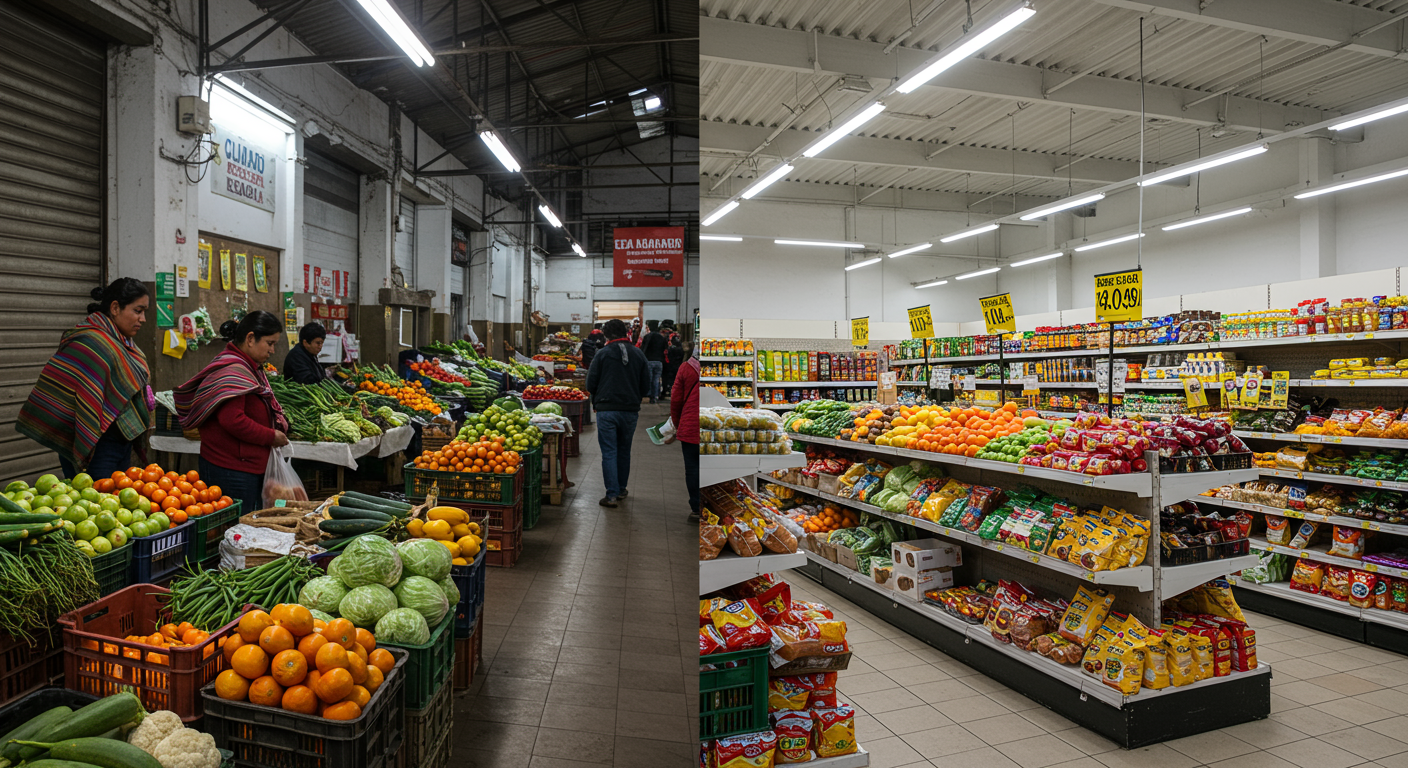
Ecuador offers shoppers a delightful mix of traditional markets and modern supermarkets, each with its own charm and practical advantages. Whether you're settling into expat life, visiting for an extended stay, or simply want to shop like a local, knowing when to choose markets versus supermarkets can transform your shopping experience—and your budget.
This isn't just about where to buy groceries. Your choice impacts how much you spend, the quality of food on your table, and how deeply you connect with Ecuadorian culture. Let's explore what each option brings to the table.
Traditional Fresh Markets: Where the Community Comes Alive
Step into any traditional market in Ecuador, and you'll immediately understand why they remain the backbone of local commerce. These vibrant spaces buzz with activity from early morning through mid-afternoon, bringing together vendors who've often inherited their spots from family members.
Your wallet will thank you for choosing markets, especially for fresh produce. Vendors typically offer prices 30-50% lower than supermarkets, and the bargaining culture means you can often negotiate even better deals when buying in bulk or becoming a regular customer.
The quality of fresh items at markets is hard to beat. Fruits and vegetables often arrive within days of harvest, displaying the kind of peak freshness that makes supermarket produce pale in comparison. Yes, prices fluctuate with seasons, but this also means you're eating produce at its nutritional and flavor best.
Beyond the practical benefits, markets offer cultural experiences that supermarkets simply can't match. Building relationships with vendors, discovering exotic fruits you've never tried, and witnessing the daily rhythm of community life provides authentic insights into Ecuadorian culture.
Come prepared with cash in small bills—most vendors can't break large denominations, and credit cards are virtually non-existent. Think of it as part of the adventure rather than an inconvenience.
Modern Supermarkets: Your Comfort Zone with Global Appeal
Ecuador's major supermarket chains like Supermaxi, Mi Comisariato, and Tía offer the familiar, organized shopping experience that many international residents appreciate. Wide aisles, clear signage, and predictable layouts make shopping straightforward and stress-free.
For product variety, particularly international brands and specialty items, supermarkets reign supreme. Need gluten-free pasta, imported cheese, or your favorite breakfast cereal from home? Supermarkets stock items that traditional markets simply don't carry, making them essential for certain dietary needs and comfort foods.
Quality control and hygiene standards consistently meet international expectations. Proper refrigeration keeps dairy and meat products at safe temperatures, while clear packaging provides ingredient lists and expiration dates—information that's not always available at market stalls.
Payment flexibility makes supermarkets accessible to everyone. Credit cards, debit cards, and cash are all welcome, and many chains offer loyalty programs with genuine savings for regular shoppers.
The predictable environment helps newcomers navigate their shopping without language barriers or cultural uncertainty, though this convenience means missing out on the authentic cultural exchange that markets provide.
The Real-World Comparison
Price differences vary dramatically by what you're buying. Fresh produce costs significantly less at markets, while packaged goods, dairy, and international brands often cost the same or less at supermarkets due to their bulk purchasing power.
Quality considerations depend on the category. Markets excel for fruits, vegetables, and fresh meats from vendors who take pride in their offerings. Supermarkets win for dairy products, frozen foods, and anything requiring consistent refrigeration.
Selection favors markets for seasonal, local specialties—try finding tree-fresh mangoes or just-picked herbs at a supermarket. Supermarkets counter with year-round availability and international products that markets can't match.
Food safety varies significantly among market vendors, requiring you to choose stalls with good hygiene practices and high turnover. Supermarkets provide consistent standards across the board, though they may sacrifice the ultra-fresh quality available from the best market vendors.
Convenience clearly belongs to supermarkets—one-stop shopping, parking, and air conditioning versus navigating multiple vendors in outdoor conditions. However, markets offer personalized service and the ability to inspect every item before purchase.
Smart Shopping Strategy: When to Go Where
Choose markets when you want the freshest produce, lowest prices, cultural interaction, and have time to enjoy the experience. Markets shine during peak harvest seasons when local products flood the stalls and prices drop accordingly.
Supermarkets make sense for comprehensive shopping trips, specific international products, consistent pricing without negotiation, or when time is tight. They're also your best bet during Ecuador's rainy season or when shopping with small children in tow.
The smartest shoppers use both strategically. Buy fresh produce, herbs, and local specialties at markets while stocking up on dairy, household items, and international products at supermarkets. This hybrid approach maximizes both savings and convenience.
Market newcomers should start small—buy just a few items to learn vendor preferences and pricing norms. Mid-morning visits typically offer the best selection after the early rush but before vendors start running low on popular items.
Seasonal timing matters more for markets than supermarkets. The rainy season can affect both market operations and product quality, while dry season typically delivers the best market conditions and lowest prices.
Pro Tips for Shopping Success
Market etiquette centers on respect and relationship-building. Greet vendors with a friendly "Buenos días," examine products carefully but gently, and don't be afraid to walk away if prices don't work for you. Successful bargaining comes from patience and repeat visits, not aggressive demands.
Supermarket loyalty programs genuinely save money through member discounts and exclusive promotions. Sign up at stores you frequent and check weekly flyers for deals that can significantly reduce your grocery bill.
Food safety requires different approaches in each environment. At markets, choose vendors with clean stalls and high customer turnover. In supermarkets, check expiration dates and ensure refrigerated items feel properly chilled.
Language barriers matter more at markets, where basic Spanish for numbers, greetings, and common foods proves invaluable. Supermarkets typically have bilingual staff and clear labeling, making communication easier for Spanish learners.
Transportation planning makes or breaks your shopping trip. Bring sturdy bags for market visits, plan for immediate storage of perishables, and consider parking availability. Fresh market purchases need to get home quickly to maintain their quality advantage.
Both markets and supermarkets have earned their place in Ecuador's shopping landscape. Understanding when to choose each option—or better yet, how to use both strategically—will help you eat better, spend less, and enjoy the full spectrum of what Ecuador has to offer.