Fresh Markets vs. Supermarkets in Ecuador: Where Should You Shop?
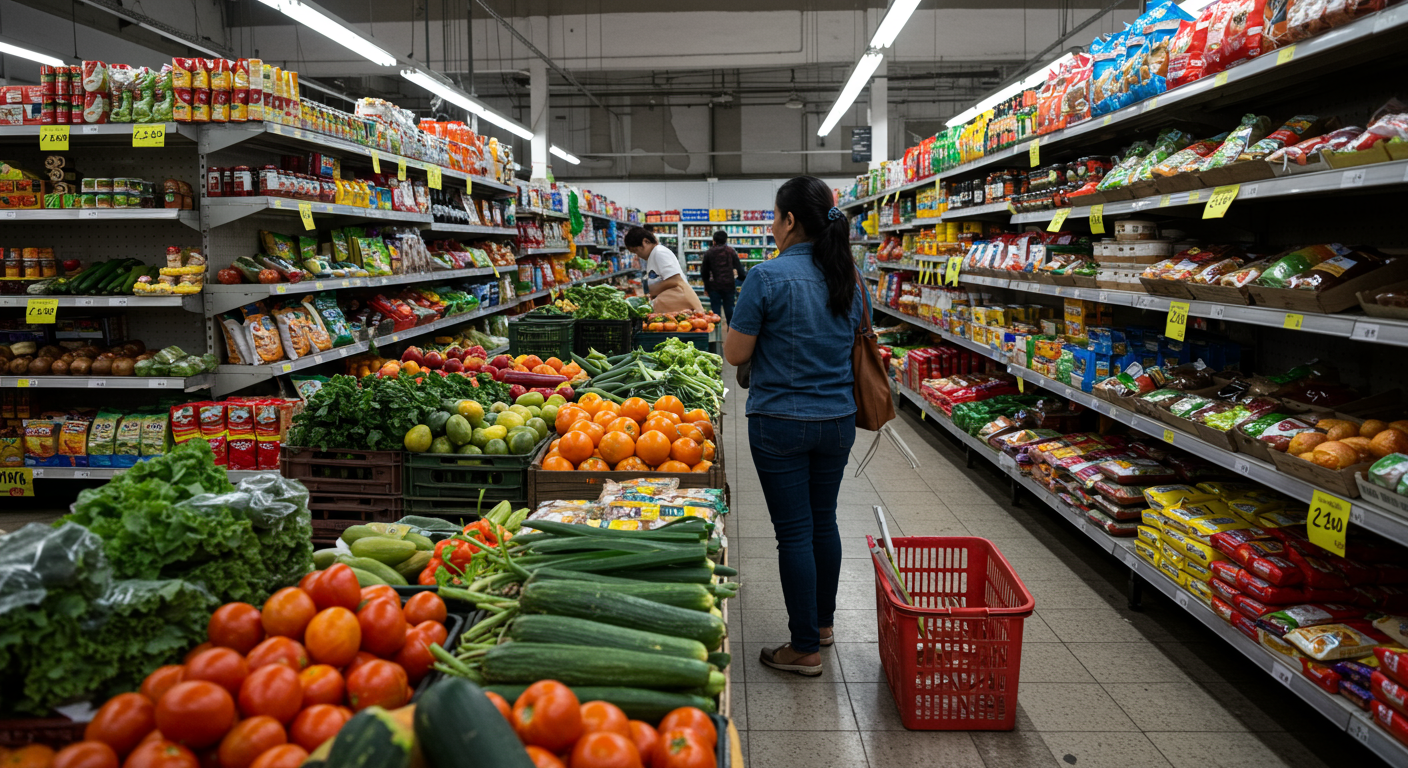
If you are deciding between a fresh market and a supermarket in Ecuador, the most practical answer is simple: both have advantages, and most people end up using both.
Fresh markets are often the better choice for fruits, vegetables, herbs, and other local staples. Supermarkets are usually easier for packaged foods, household basics, imported products, and one-stop convenience. Instead of asking which is better in every situation, it is more helpful to ask what you need to buy, how much time you have, and what kind of shopping experience you prefer.
What Shopping at a Fresh Market in Ecuador Is Like
Traditional markets in Ecuador often feel more personal and more connected to daily local life. You will usually find rows of produce stalls, seasonal items, vendors who specialize in just a few products, and a shopping rhythm that is less standardized than in a supermarket.
These markets are often strongest when it comes to fresh local foods. Depending on the city and neighborhood, shoppers may find a wide range of vegetables, tropical fruits, herbs, grains, eggs, and other basic ingredients used in Ecuadorian cooking. The experience itself can also be part of the appeal, especially for expats, retirees, and travelers who want a closer look at everyday life.
That said, markets are not always built for speed or uniformity. Product displays, pricing, and payment options can vary from stall to stall, and the overall experience may feel less familiar to newcomers.
What Supermarkets in Ecuador Do Better
Supermarkets in Ecuador generally offer a more predictable shopping experience. Prices are usually labeled, aisles are organized by category, and shoppers can pick up groceries, cleaning products, toiletries, and pantry items in one trip.
They also tend to be better for packaged foods, dairy, frozen products, snacks, and imported goods. If you are looking for familiar international brands, specialty pantry items, or a quick restock of household basics, supermarkets are often the easier option.
For many shoppers, convenience matters as much as price. Supermarkets usually make card payments easier, provide receipts, and often keep more consistent hours. For new arrivals in Ecuador, that structure can make the adjustment period much simpler.
How Prices Really Compare
One of the biggest assumptions people make is that fresh markets are always cheaper. In practice, it depends on the product, the season, the neighborhood, and the city.
Markets may offer better value on local produce, especially when fruits and vegetables are in season or widely available. Buying what is abundant often gives shoppers the best results. On the other hand, supermarkets can make budgeting easier because prices are clearly marked and simpler to compare.
It is also worth remembering that lower sticker prices do not tell the whole story. Convenience, travel time, payment flexibility, and whether you can buy everything in one place all affect the real cost of a shopping trip.
Freshness, Quality, and Product Range
Fresh markets often stand out for produce freshness. Local fruits, vegetables, and herbs can feel more seasonal and more directly tied to nearby farming areas. For shoppers who cook often, that can be a major advantage.
Supermarkets, however, usually offer more consistency in packaging, storage, and presentation. Some people prefer that reliability, particularly for dairy, meat, frozen foods, and packaged products where uniform handling matters more than local sourcing.
When it comes to overall variety, supermarkets usually have the edge for imported items, packaged snacks, cereals, specialty condiments, and household goods. Markets tend to be stronger in specific categories rather than across everything at once.
Payment, Convenience, and Ease of Use
If ease and speed are your priorities, supermarkets often win. They are typically simpler for card payments, clearer on posted prices, and easier for shoppers who want receipts and self-service browsing.
Traditional markets can require a little more flexibility. Carrying cash is still useful, and not every vendor may offer the same payment methods. Some shoppers enjoy that direct interaction, while others find it less convenient than the supermarket model.
Language comfort can also play a role. For expats and short-term visitors, supermarkets may feel easier at first because signage, product grouping, and checkout systems are more familiar. Once people become more comfortable with local shopping habits, markets often become a regular part of their routine.
Best Choice for Different Types of Shoppers
If your main goal is buying fresh fruit and vegetables for the week, a local market is often the better fit. If you need pantry staples, packaged snacks, cleaning products, or imported foods, a supermarket is usually more practical.
For travelers or newly arrived residents, supermarkets can be the easiest starting point because they reduce uncertainty. After that, many people begin adding market visits for produce, local ingredients, and a more community-based shopping experience.
For families, retirees, and long-term residents, the best approach often comes down to routine: market shopping for freshness and value in local items, supermarket shopping for everything else.
The Smartest Strategy: Use Both
In Ecuador, the smartest shopping strategy is usually not choosing one over the other. It is using each for what it does best.
Buy fresh produce and local staples at markets when quality and seasonality matter most. Use supermarkets for packaged goods, imported items, household supplies, and the convenience of a faster all-in-one trip. That hybrid approach is often the most practical, the most flexible, and the most realistic.
Shopping habits also vary by city, neighborhood, and lifestyle, so it is worth trying both options where you live. In the end, the best place to shop in Ecuador depends less on ideology and more on your basket, your budget, and how local you want the experience to feel.