Fresh Markets vs Supermarkets in Ecuador: Where Should You Shop?
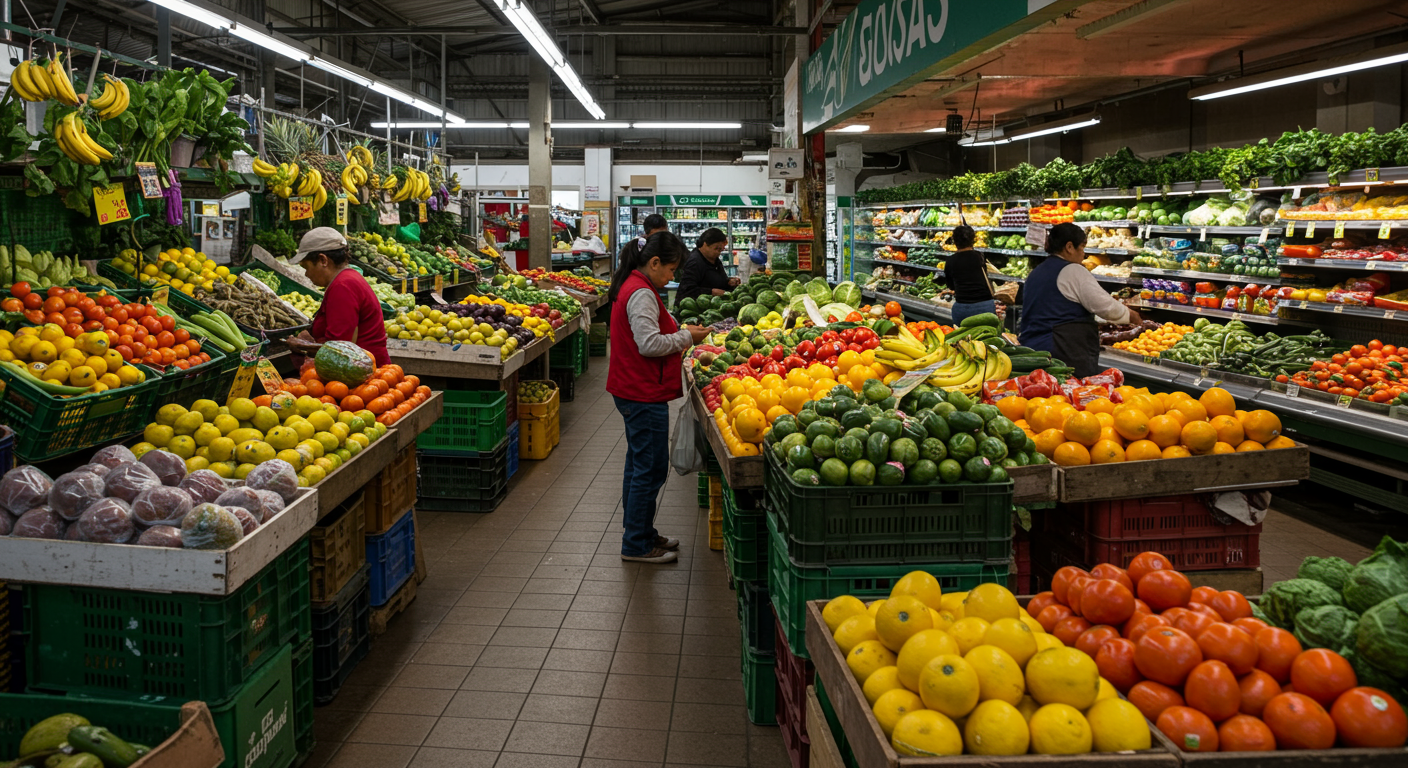
Ecuador offers shoppers a fascinating choice between two distinct worlds: vibrant, bustling traditional markets that have served communities for generations, and the modern convenience of well-stocked supermarkets. Understanding the perks and trade-offs of each can transform your shopping experience and help you make the most of what Ecuador has to offer.
Fresh Markets: Ecuador's Traditional Shopping Heart
Ecuador's fresh markets, known locally as "mercados," are so much more than places to buy groceries. These colorful, energetic spaces pulse with the cultural heartbeat of communities across the country, from the world-famous Otavalo Market to cozy neighborhood venues in every city and town.
The produce quality here is absolutely exceptional. Fruits and vegetables often arrive directly from local farms within hours of harvest, meaning you'll discover seasonal specialties that rarely make it to supermarket shelves. Think unique potato varieties, exotic fruits you've never heard of, and incredibly fresh herbs that are essential to authentic Ecuadorian cuisine.
Shopping here is interactive and social. Bargaining is expected, especially when you're buying larger quantities or multiple items from the same vendor. This cultural dance creates genuine connections between you and the sellers, building community relationships that extend far beyond simple transactions.
Every purchase directly supports local farmers and vendors, keeping your money within the community and sustaining traditional livelihoods that have thrived for generations.
Supermarkets: Modern Convenience in Ecuador
Major chains like Supermaxi, Mi Comisariato, and Tia have established themselves throughout Ecuador, bringing familiar retail conveniences to both urban centers and increasingly rural areas.
These stores offer welcome comforts: air conditioning on sweltering days, clearly organized aisles, ample parking, and extended hours that work with your busy schedule. The shopping experience is predictable and efficient—especially valuable when you're pressed for time or still getting comfortable with local bargaining customs.
Supermarkets shine when it comes to consistent pricing and reliable product availability. You can count on finding specific brands and imported goods that traditional markets simply don't carry, including international foods that cater to diverse dietary needs and preferences.
The selection of packaged goods, processed foods, and household items is comprehensive, making these stores perfect for one-stop shopping that covers everything from groceries to cleaning supplies and personal care products.
Price Comparison: Where Your Dollar Goes Further
Fresh produce typically costs significantly less at traditional markets—we're talking 30-50% savings compared to supermarket prices for staples like tomatoes, onions, potatoes, and seasonal fruits.
Markets offer the bonus of negotiable pricing, especially for bulk purchases or when you become a regular customer. Shopping near closing time can yield even better deals, as vendors prefer selling remaining inventory rather than hauling it back home.
Supermarkets, however, provide pricing transparency without requiring negotiation skills or Spanish fluency. While produce costs more, prices for packaged goods, household items, and imported products are often competitive and sometimes lower than specialty shops.
Don't forget hidden costs: market shopping might require more time and transportation between different vendors, while supermarkets can tempt you into impulse purchases with their strategic product displays.
Quality and Safety Considerations
Fresh markets deliver unmatched produce freshness, with fruits and vegetables often picked within 24 hours of reaching your hands. This direct farm-to-market pipeline means you're getting ingredients at their absolute nutritional peak.
That said, storage and handling practices vary dramatically between vendors. Look for stalls with good product turnover, proper shade or refrigeration for delicate items, and vendors who handle food with obvious care for hygiene.
Supermarkets maintain consistent refrigeration and climate control, which proves crucial for dairy products, meat, and processed foods. The regulated environment provides more predictable food safety standards—particularly reassuring if you have a sensitive stomach or are still adjusting to local foods.
Regardless of where you shop, practice smart food safety: wash all produce thoroughly, check expiration dates religiously, and observe how products are stored and displayed before making your selections.
Making the Right Choice for Your Needs
Choose fresh markets when you want maximum freshness, crave authentic cultural experiences, have time to browse and explore, or are buying large quantities of produce. Markets are perfect for discovering seasonal treasures and becoming part of your local community.
Go with supermarkets when you need specific brands, want climate-controlled comfort, require one-stop convenience, or prefer straightforward, non-negotiable pricing. They're especially valuable for household goods, international products, and shopping trips with young children in tow.
Many savvy shoppers use a hybrid approach: buying fresh produce, meat, and local specialties at markets while relying on supermarkets for packaged goods, household essentials, and hard-to-find ingredients. This strategy maximizes both savings and convenience while supporting local businesses.
Consider practical factors like transportation options, storage space at home, and how often you cook when developing your shopping routine. Both markets and supermarkets have distinct advantages that can work beautifully together.