Fertilizer Costs Climb in Ecuador: What Rising Urea and DAP Prices Could Mean for Rice, Corn, and Potato Growers
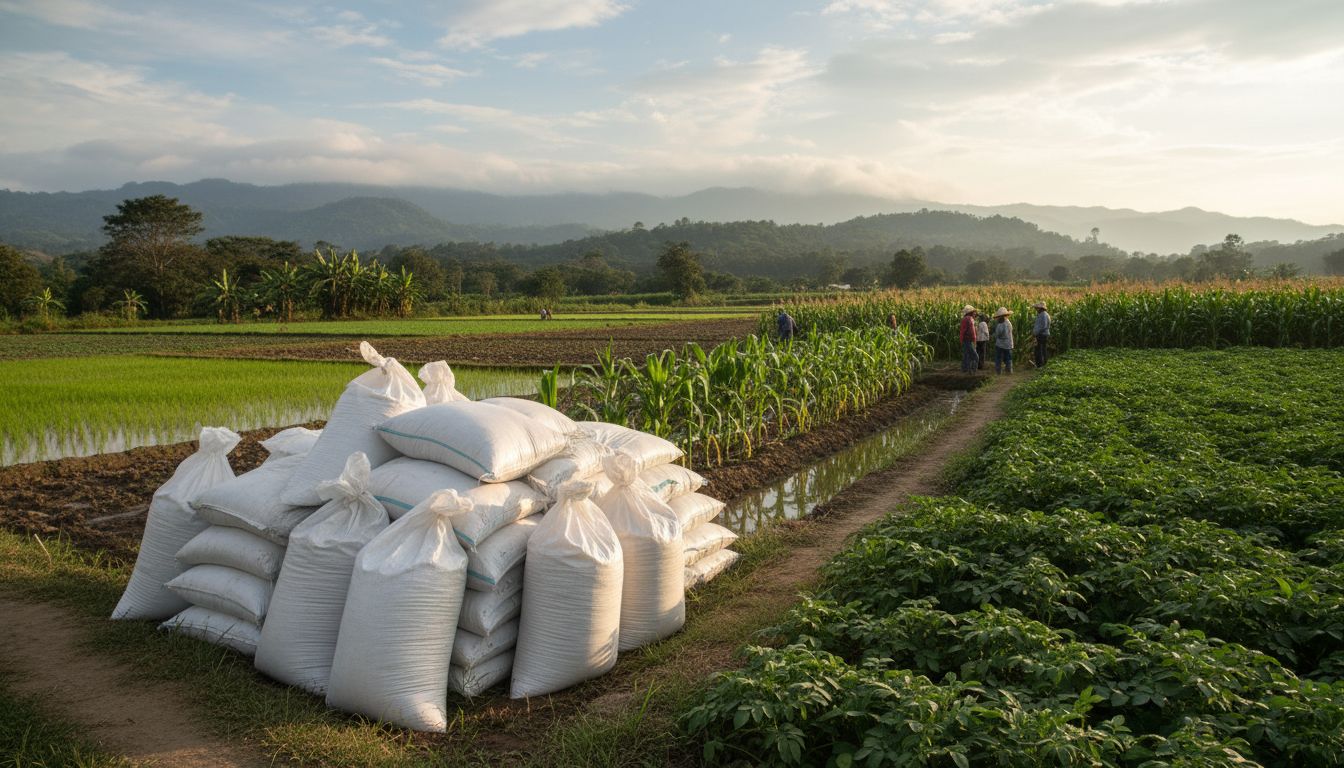
Fertilizer prices in Ecuador have reportedly climbed sharply during 2026, according to local press coverage citing agricultural sector representatives and individual farmers. Many observers note that these increases, if sustained, could add meaningful pressure to the cost of growing staple crops like rice, corn, and potatoes. This article reviews what's being reported, where the figures come from, and what still needs independent confirmation.
Fertilizer Prices Surge Across Ecuador's Farm Sector
According to reporting from Ecuadorian outlets, the price of a quintal of urea climbed from roughly $35 to somewhere between $50 and $54 over the course of 2026. DAP fertilizer prices are also said to have risen, from around $45 to $60 per unit in the same window. These figures come from press accounts quoting sector representatives rather than from an official government bulletin reviewed directly for this article, so they should be understood as reported rather than independently verified numbers. Ecuador's own Sistema de Información Pública Agropecuaria, known as SIPA, publishes periodic agrochemical bulletins that could confirm or adjust these figures once cross-checked.
What's Driving the Increase
Part of the explanation offered in press coverage points to international price movements. A secondary financial outlet reportedly cited a 6.9% rise in international urea prices in September 2026, putting the price at about $986.3 per ton of nitrogen. Ecuador's dependence on imported agricultural inputs, particularly from Colombia, is frequently mentioned as a mechanism linking domestic fertilizer costs to broader regional and global swings.
A recurring consumer and sector concern is that this narrative may oversimplify a more mixed regional picture. Colombian government price data, published by DANE, reportedly showed urea bulk prices falling in 45 of 68 monitored municipalities in August of the same year, which suggests the regional trend may be less uniform than the Ecuadorian coverage implies. This discrepancy is worth flagging rather than glossing over, since it suggests local and international price dynamics may not move in lockstep.
Rising Costs for Rice, Corn, and Potato Growers
Reported figures suggest that the cost of producing a single hectare of rice rose from about $1,800 to $2,400 during this period, a substantial jump if confirmed. Corn and potato growers are also described as facing similar input-cost pressure, though the current reporting offers less granular detail on exact figures for those crops. Diesel costs and climate-related losses from flooding and drought are mentioned as compounding factors that further strain farm budgets, independent of fertilizer price movements themselves.
Impact on Small Farmers and Food Prices
A common theme across the coverage is that small farmers have limited financial capacity to absorb these kinds of cost increases without passing some burden downstream. Whether and how much of this cost eventually reaches consumer food prices remains uncertain; higher production costs don't automatically or predictably translate into higher retail prices, and the reporting reviewed here doesn't establish a confirmed pass-through mechanism. Farmer and sector-representative sources have reportedly called for state support, though no confirmed government response had been reported at the time of this writing.
What's Verified vs. What Needs Confirmation
It's worth being direct about sourcing here. The core price figures—urea at $50–54 per quintal, DAP at $60 per unit, rice production costs at $2,400 per hectare—originate from Ecuadorian press accounts quoting named sector representatives and farmers. The international price figure, a 6.9% rise to $986.3 per ton of nitrogen, comes from a secondary financial outlet rather than a primary commodities data source. Official datasets that could help confirm or refine these numbers include Ecuador's SIPA and MAG agrochemical bulletins and Colombia's DANE and datos.gov.co agricultural input price series. None of these official sources had been fully cross-referenced against the reported figures at the time this article was prepared.
Given this, readers should treat percentage figures and future-oriented language—claims that costs "could" rise further or "threaten" food prices—as reported possibilities rather than settled facts. The underlying concern about rising input costs squeezing small farmers appears to be a genuine and recurring theme in sector discussion, but the precise magnitude and downstream effects on food prices remain, for now, an open question pending verification against primary data sources.