Farm-to-Table Dining in Ecuador: A Natural Way of Life
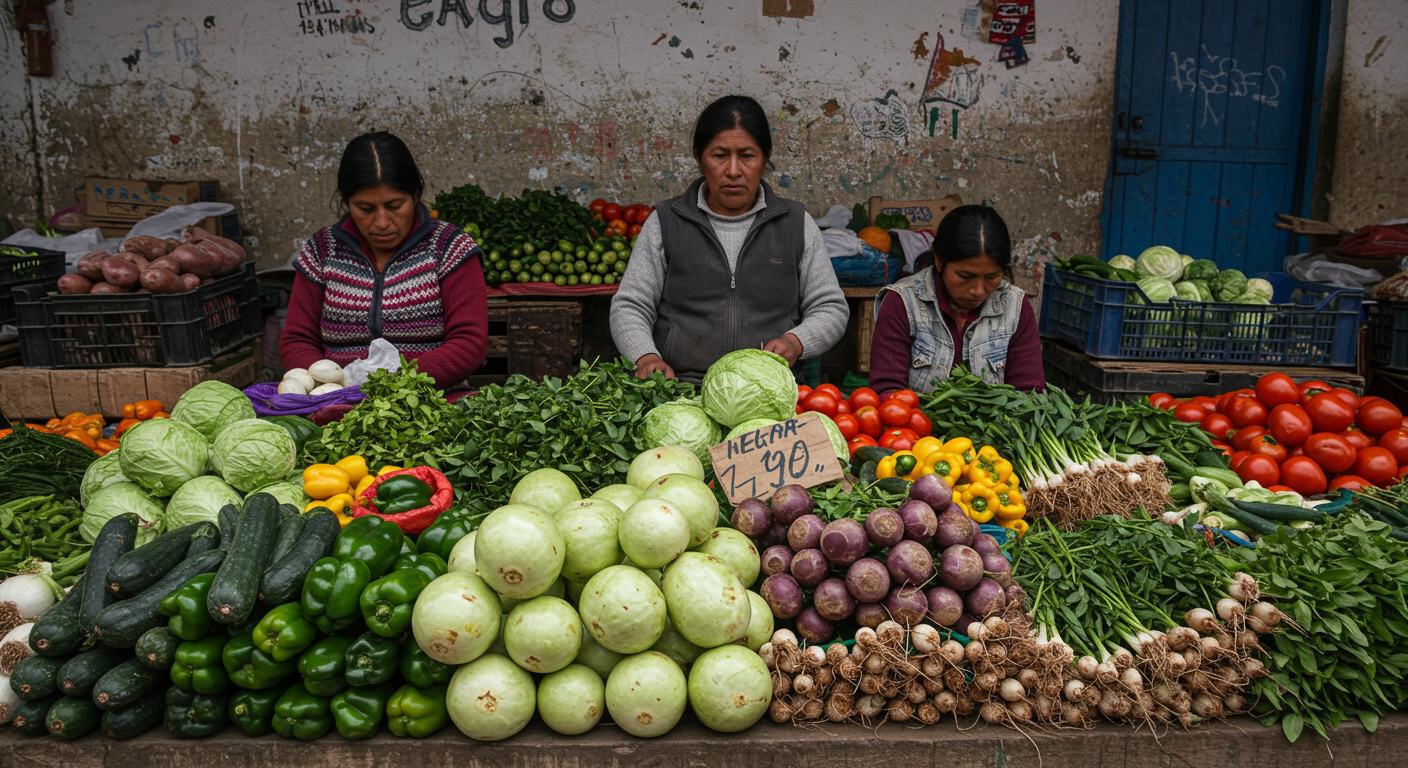
Ecuador's approach to farm-to-table dining differs dramatically from the trendy restaurant movement you'll find in North America and Europe. Here, sourcing local ingredients isn't a marketing buzzword—it's deeply woven into the country's culinary DNA, supported by incredible agricultural diversity and centuries-old traditions.
Ecuador's Natural Farm-to-Table Foundation
Ecuador's unique geography creates perfect conditions for year-round local food production. The country spans four distinct regions—the Pacific coast, the Andes highlands, the Amazon rainforest, and the Galápagos Islands—each contributing different ingredients to create one of South America's most diverse national cuisines.
This geographic diversity means restaurants across Ecuador have access to an extraordinary variety of fresh, locally-grown ingredients throughout the year. Coastal areas deliver fresh seafood, tropical fruits, and rice, while the highlands yield dozens of potato varieties, quinoa, and hardy vegetables that thrive in cooler mountain air. The Amazon region contributes exotic fruits, river fish, and traditional indigenous ingredients you won't find anywhere else.
Traditional Ecuadorian cuisine has always relied on these local ingredients out of necessity and tradition—long before "farm-to-table" became a restaurant selling point.
How Local Sourcing Works Across Ecuador's Regions
Each region of Ecuador demonstrates distinct local sourcing patterns that reflect what grows best and what locals love to eat.
Along the coast, restaurants naturally feature fresh seafood caught that morning, paired with plantains, yuca, and tropical fruits grown in the region's warm, humid climate. Cities like Guayaquil and Manta showcase this coastal abundance in their famous encebollado (fish soup) and ceviche preparations that taste nothing like what you'll find back home.
Highland communities have built their entire cuisine around Andean crops. Restaurants in Quito and Cuenca serve dozens of potato varieties alongside quinoa, corn, and vegetables that grow exceptionally well at altitude. According to Ecuador Travel, the highland region alone produces over 400 varieties of potatoes—a testament to the area's agricultural richness.
In the Amazon region, restaurants incorporate wild ingredients following indigenous food practices passed down through generations. This includes unusual fruits like cacao pods and aguaje, river fish like paiche, and traditional cooking methods that highlight the rainforest's incredible biodiversity.
Markets: The Heart of Ecuador's Local Food System
Ecuador's traditional markets serve as the backbone connecting local producers with both home cooks and restaurant owners. These bustling mercados operate as daily distribution centers where farmers bring fresh produce directly from their fields, often arriving before dawn.
Major markets like Mercado Central in Quito and Mercado 10 de Agosto in Cuenca function as vital links in the local food chain. Restaurant owners often shop at these markets daily, selecting the freshest ingredients available and building their menus around what's in season and what looks best that day.
This market-based system naturally supports farm-to-table practices, since ingredients often travel only short distances from farm to market to restaurant table—sometimes all within the same day. It's common to eat vegetables that were harvested just hours earlier.
Traditional vs. Modern Farm-to-Table Approaches
Here's where things get interesting: many traditional Ecuadorian restaurants have always operated on farm-to-table principles, but they rarely marketed themselves using trendy terminology. Local sourcing was simply the most practical and economical way to run a restaurant.
However, Ecuador's growing tourism industry has led some restaurants to explicitly brand themselves as farm-to-table establishments. These restaurants often cater to international visitors who specifically seek out locally-sourced dining experiences and are willing to pay premium prices for them.
The key difference lies in presentation rather than practice. Many traditional establishments continue sourcing locally without making a big deal about it, while newer restaurants may highlight their local sourcing as their primary attraction. Both approaches work, but the food often tastes remarkably similar.
Challenges and Opportunities
Urban areas present the biggest challenges to maintaining purely local sourcing. As cities like Quito and Guayaquil expand rapidly, some restaurants increasingly rely on imported ingredients to meet growing demand and offer international cuisine options that tourists expect.
Tourism creates both opportunities and pressures. International visitors often seek authentic, locally-sourced meals, encouraging restaurants to maintain traditional sourcing practices. However, tourist expectations for familiar foods can also drive demand for imported ingredients like certain cheeses or specialty items.
Economic factors continue to favor local sourcing in most cases. Transportation costs make imported ingredients significantly more expensive than local alternatives, naturally supporting farm-to-table practices. As Food & Wine notes in their Ecuador food guide, this economic reality helps preserve traditional sourcing methods.
The result is a dining landscape where farm-to-table practices remain common and accessible, though their visibility and marketing emphasis vary significantly between traditional neighborhood spots and tourism-focused restaurants.