Fanesca Season Is Here: Where to Eat Cuenca's Holy Week Soup Before April 5
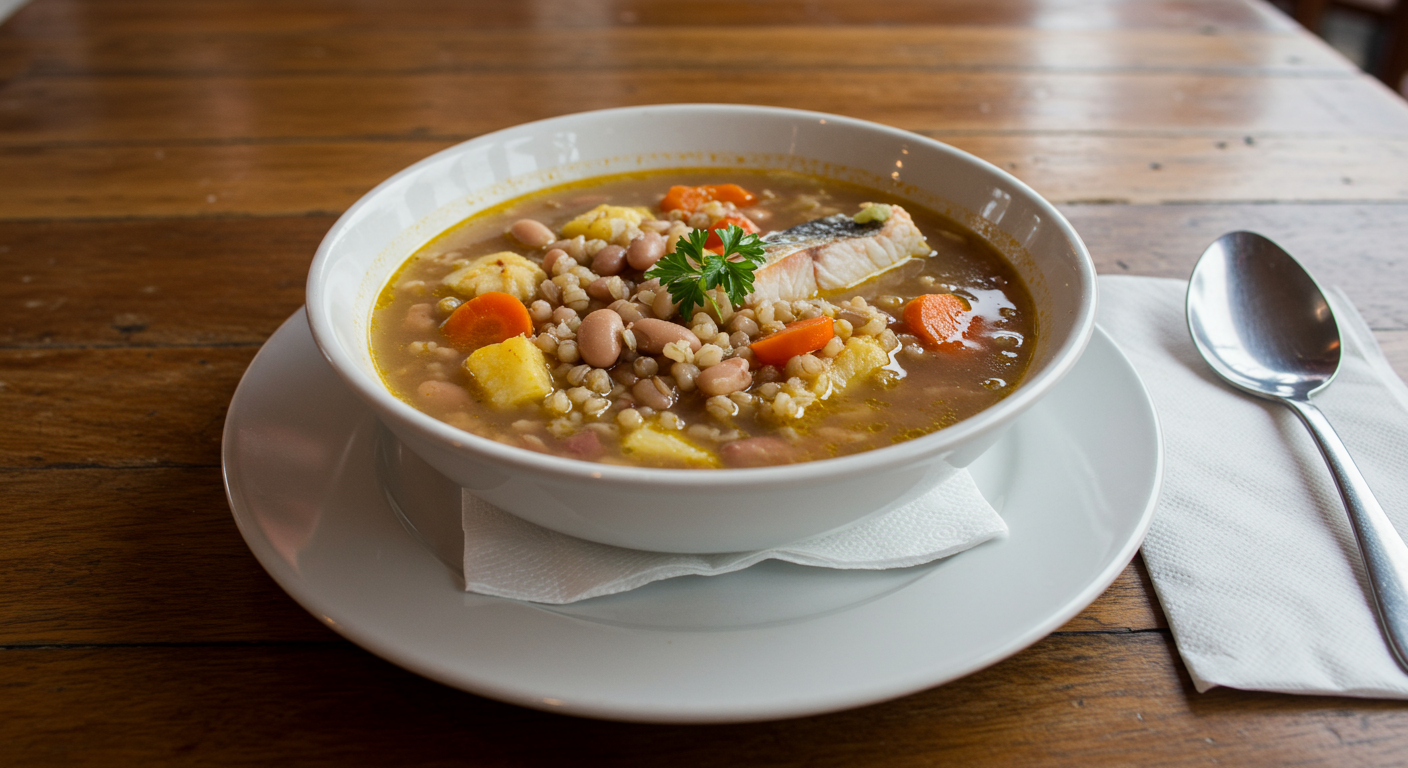
Holy Week is upon us in Cuenca, and that means one thing: fanesca season has arrived! This isn't just any soup—it's Ecuador's most treasured culinary tradition, available only during Lent and Easter. If you've never tried this deeply meaningful dish, now's your chance before Easter Sunday on April 5.
Why Fanesca Is So Special
Think of fanesca as edible storytelling. At its heart sits cod fish, representing Jesus Christ, surrounded by twelve different grains and legumes symbolizing the twelve apostles. You'll find beans, lentils, corn, peas, squash, and more—each ingredient chosen for both flavor and spiritual meaning.
The magic happens in the preparation. The soup gets its signature creamy texture from ground pumpkin seeds, while traditional herbs and spices add layers of flavor. What makes it truly special? Families and restaurants start preparing components weeks ahead, turning the final assembly into a Holy Week ritual.
For Cuenca's Catholic community, fanesca isn't just food—it's a connection to centuries of religious and culinary heritage, with peak enjoyment happening during Holy Week leading to Easter.
Where to Find the Best Fanesca in Town
Good news: Cuenca offers fanesca everywhere, from fancy hotel dining rooms to neighborhood joints your taxi driver recommends.
Start with traditional Ecuadorian restaurants in the historic center. Many have been ladling out the same family recipes for generations, with some going all-in on fanesca variations during Holy Week. These spots know what they're doing.
Want something more upscale? Several boutique hotels and fine dining establishments serve refined versions with elegant presentations and traditional sides. Just remember to make reservations—Holy Week gets busy.
For authentic, budget-friendly options, hit up local markets and casual spots. Some vendors focus exclusively on fanesca during Easter season, serving up the most home-style preparations without breaking the bank.
The real treasures? Family-run places in residential neighborhoods away from the tourist center. These hidden gems serve recipes passed down through generations, though you might need to call ahead or have flexible timing.
What You'll Pay and What You'll Get
Fanesca pricing runs the gamut. Market vendors and casual spots typically charge $3-6 per bowl, while upscale restaurants can hit $12-20 for the full experience with accompaniments.
Don't worry about portion sizes—fanesca is a meal, not a starter. Most servings come loaded with traditional sides: hard-boiled eggs, fried plantains, empanadas de viento, and sweet bread. Some places offer smaller tasting portions if you want to restaurant-hop.
Preparation styles vary too. Some kitchens go traditional with thick, hearty versions, while others serve lighter, more refined takes. The cod might come in chunky pieces or flaked throughout, and the grain mixture ranges from rustic to smooth.
Peak serving happens during lunch, especially Thursday through Saturday of Holy Week. While some restaurants start serving fanesca earlier in Lent, the best quality and availability hits during that final week before Easter.
When to Go
Time it right for the best experience. Palm Sunday through Good Friday offers peak fanesca season, with Thursday and Friday of Holy Week being the most traditional days. Many locals treat Good Friday fanesca as their Holy Week highlight.
Restaurant availability varies—some serve it throughout Lent, others save it for Holy Week only. As Easter approaches, reservations become essential, especially for popular spots or groups.
Follow local customs by enjoying fanesca at lunch rather than dinner. Many Cuencanos prefer it as a leisurely midday meal shared with family or friends as part of their religious observance.
Good Friday holds special significance here. Some restaurants offer extended hours or special service just for fanesca on this most traditional consumption day.
Making Your Fanesca Adventure Count
First time trying fanesca? Come hungry and come patient. This rich, complex soup packs numerous textures and flavors that might surprise newcomers to traditional Ecuadorian cuisine.
Don't skip the accompaniments—they're part of the complete experience. The sweet-savory balance between fried plantains and empanadas represents the full fanesca tradition. Most places include them automatically, but some offer them as add-ons.
Planning to try multiple versions? Smart move. Start with accessible market or casual dining spots to develop your fanesca palate, then work up to upscale interpretations. Each kitchen brings something different to this traditional dish.
Remember the cultural significance while you're dining. For many Cuenca residents, fanesca consumption is a spiritual practice. Be respectful if you're taking photos or sharing the experience.
Fanesca season in Cuenca offers something truly special—a chance to participate in one of Ecuador's most meaningful food traditions. Whether you're after authentic family recipes or restaurant refinements, the city's got options to make your Holy Week memorable before Easter arrives on April 5.