Encebollado on a T-Shirt, Bolón as a Plush Toy: Ecuadorian Dishes Become Souvenir Stars
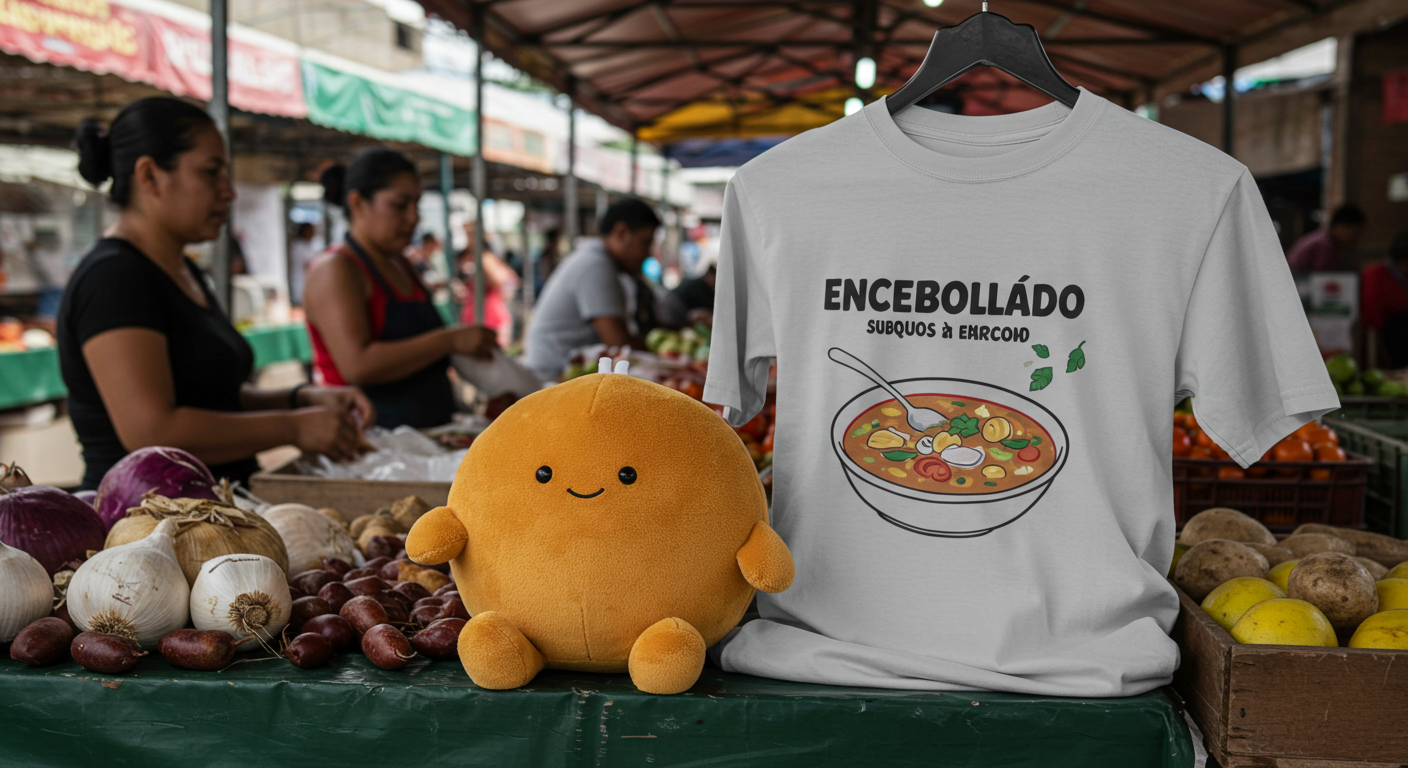
When Traditional Dishes Become Wearable Icons
Ecuadorian gastronomy is spilling out of the kitchen and onto everyday objects. T-shirts, plush toys, and keychains inspired by iconic dishes are showing up in shops and online stores across the country, turning familiar comfort foods into collectible design pieces. This isn't a coordinated push from a single industry group—it's a grassroots movement, largely powered by independent entrepreneurs and small design studios who saw an opportunity in the emotional pull of national dishes.
Encebollado, bolón, and tigrillo sit at the center of this trend. These are dishes many Ecuadorians grew up with, tied to family kitchens, street stalls, and regional identity. Turning these foods into wearable or huggable objects taps into something deeper than novelty—it reflects a broader sense of pride in Ecuadorian culinary heritage.
Rio Store: Dishes on Fabric
One example of this trend is Rio Store's t-shirt collection, which features graphics inspired by seven typical Ecuadorian dishes. Rather than simply printing photographs of food, the designs reinterpret each dish through illustration and color, turning culinary icons into wearable graphic art.
The concept frames each shirt as a small tribute to tradition—less about advertising a product and more about letting people carry a piece of culinary culture with them. It's an approach that treats food imagery the way other brands might treat music or pop culture references: as shorthand for identity and belonging.
Lily Toy's: Plush Bolones and Big Business Numbers
Lily Toy's has taken the merchandise trend into the world of plush toys, producing a gastronomic line that includes soft, huggable versions of dishes like bolón. According to the company, this food-themed product line accounts for roughly 25% of its total sales—a notable share for what started as a niche idea.
Lily Toy's reports having around 500 wholesale clients nationally, along with an expansion into online sales reaching customers in Florida, USA. These figures come directly from the company and have not been independently verified, so they should be understood as self-reported business claims rather than audited data. Still, they suggest a level of consumer demand that goes beyond casual souvenir shopping.
Noah Kittens: From $30 to 56 Keychain Designs
Noah Kittens offers a smaller-scale but equally telling example of this trend. The business reportedly began with an initial investment of just $30, focused on producing keychains. Since then, the catalog has grown to include 56 distinct keychain designs, many drawing on Ecuadorian food imagery.
The appeal here lies in scale and collectibility—miniature, affordable items that let people express food-based pride in a low-cost, everyday way. Keychains function almost like tiny badges of identity, easy to carry, gift, or collect in sets.
Why Food Becomes Merchandise: Pride, Identity, and Virality
The rise of food-themed merchandise doesn't exist in isolation. It connects to a broader cultural narrative around Ecuadorian culinary pride that has also played out on social media. A recurring cultural conversation centers on dishes like bolón and encebollado becoming touchpoints for national identity, including viral moments where these foods were embraced as symbols of pride in online challenges and trends.
Nostalgia plays a significant role here. For people who grew up with these dishes, owning a t-shirt or plush toy version can feel like a tangible connection to home, family, and shared cultural memory. This emotional resonance likely helps explain why demand for these products extends beyond simple souvenir shopping into something more personal.
A Grassroots Trend with Room to Grow
What emerges from these examples is a distinctly entrepreneurial, small-business-driven movement rather than a top-down industry campaign. The people behind Rio Store, Lily Toy's, and Noah Kittens are individually building products around dishes they clearly feel connected to, often starting with modest investments and personal stories.
It's worth noting that most available coverage of this trend leans toward human-interest and soft-news storytelling, with sales figures and business milestones largely self-reported by the companies themselves rather than independently audited. Even so, the pattern is consistent: Ecuadorian culinary identity is finding new outlets beyond the dinner table. As these small businesses continue to grow—some already reaching international customers—there's a reasonable case to be made that Ecuadorian food culture could increasingly find its way into global markets, one t-shirt or plush bolón at a time.