Ecuador's Shrimp Industry Just Hit $7.5 Billion in Exports — Why Cuenca's Mariscos Got Better in the Process
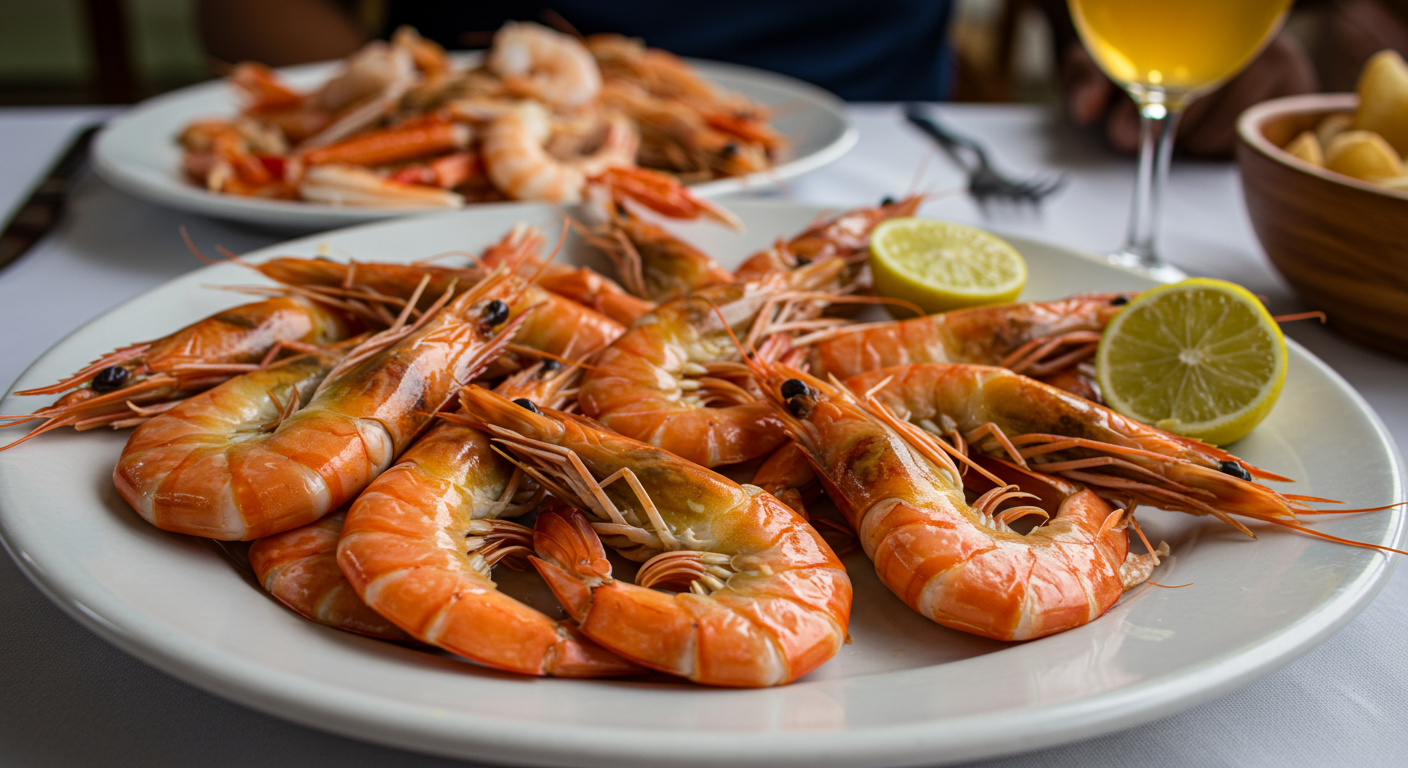
Ecuador's shrimp industry just hit an incredible $7.5 billion in exports, cementing the country's spot as a global aquaculture powerhouse. But here's the surprising part: this coastal success story is making waves far from the ocean, transforming the dining scene in mountain cities like Cuenca where seafood lovers are discovering dramatically better mariscos on their plates.
The $7.5 Billion Milestone: How Ecuador Became a Shrimp Superpower
That $7.5 billion isn't just an impressive number—it represents Ecuador's rise to become the world's second-largest shrimp producer. According to the Cámara Nacional de Acuacultura, this achievement reflects decades of smart investments in aquaculture technology, sustainable farming practices, and export infrastructure.
Ecuador's transformation began in the 1990s when the country modernized its shrimp farming operations. Farmers embraced intensive techniques, improved disease management, and developed specialized feed that boosted both yield and quality. The perfect storm of favorable coastal conditions, year-round production capabilities, and proximity to major markets in Asia and North America fueled explosive growth.
Today, data from the Ministry of Production shows Ecuador produces over 650,000 tons of shrimp annually, with most heading to international markets. It's a far cry from the small-scale operations that dotted the coast just a few decades ago.
The Unexpected Winner: How Cuenca Got Better Seafood
Here's where the story gets interesting for food lovers in the highlands. All that infrastructure built to get shrimp from farms to export ports—new highways, upgraded cold storage facilities, modernized transport systems—now serves inland cities like Cuenca too.
The logistics revolution is remarkable. State-of-the-art refrigeration trucks, expanded cold storage networks, and streamlined routes have cut transport times from 8-10 hours of hit-or-miss delivery to 4-5 hours of temperature-controlled reliability. That means shrimp arriving in Cuenca markets within hours of harvest, maintaining the sweet flavor and firm texture that separates premium seafood from yesterday's catch.
Even better for diners: prices have become more accessible as domestic supply increased. Higher volumes and efficient distribution mean local restaurants can offer quality shrimp without breaking the bank, making excellent mariscos an everyday possibility rather than a special-occasion splurge.
Cuenca's Mariscos Revolution: What Changed on Your Plate
Getting quality seafood to Ecuador's third-largest city used to be a real challenge. Cuenca's elevation and distance from the coast meant seafood often arrived several days old and commanded premium prices that kept it off most menus.
Local restaurant owners tell a different story now. Many establishments that offered limited seafood have expanded their mariscos menus, confident they can source consistent, high-quality ingredients. Traditional cevicherías and modern fusion spots alike have introduced daily seafood specials that would have been impossible with unreliable supply.
The difference shows up in the cooking. Chefs can now prepare delicate dishes like barely cooked ceviches or simple grilled presentations that rely entirely on ingredient quality rather than heavy seasoning to mask inferior product. When your shrimp is genuinely fresh, you can let it shine.
Taste the Difference: What Better Shrimp Actually Means
If you've been dining in Cuenca, you've probably noticed the improvement. Fresh shrimp has a sweet, oceanic flavor and firm, snappy texture that's worlds apart from seafood that's been poorly handled or stored too long. The difference is especially obvious in traditional Ecuadorian preparations where shrimp takes center stage.
Classic dishes like ceviche de camarón, encocado de camarón, and arroz con mariscos have been elevated by better ingredients. Quality shrimp enhances these traditional preparations, allowing the interplay between seafood, citrus, coconut, and spices to achieve the perfect balance that defines excellent Ecuadorian cuisine.
The best part? Prices have become more reasonable while quality improved—a rare win-win in dining. Many restaurants now offer shrimp dishes at prices that make them regular menu options rather than special treats, putting quality seafood within reach for more diners.
Look for simple preparations that showcase the improvement: grilled shrimp with garlic and herbs, fresh shrimp cocktails, and traditional soups where the seafood's natural sweetness makes or breaks the dish.
The Ripple Effect: Beyond Shrimp
Ecuador's shrimp success has lifted the entire seafood sector. The same infrastructure built for shrimp export—cold storage, transportation, processing facilities—serves other marine products from fish to crab to shellfish, creating efficiencies that benefit everyone.
Fish markets in Cuenca now offer broader variety and fresher options as the logistics networks serving shrimp farms also support artisanal fishing operations. There's been a cultural shift too, with highland cities embracing their connection to the Pacific through food—a significant change from historical patterns focused on immediate agricultural products.
Industry experts suggest this is just the beginning. As Ecuador's aquaculture industry continues expanding and modernizing, cities like Cuenca will likely see even greater variety and quality in seafood offerings. Don't be surprised if mariscos becomes a defining element of highland dining in the years ahead.