Ecuador’s Rare May Deflation Brought Food Relief, but Cuenca Still Feels Costly for Dining Out
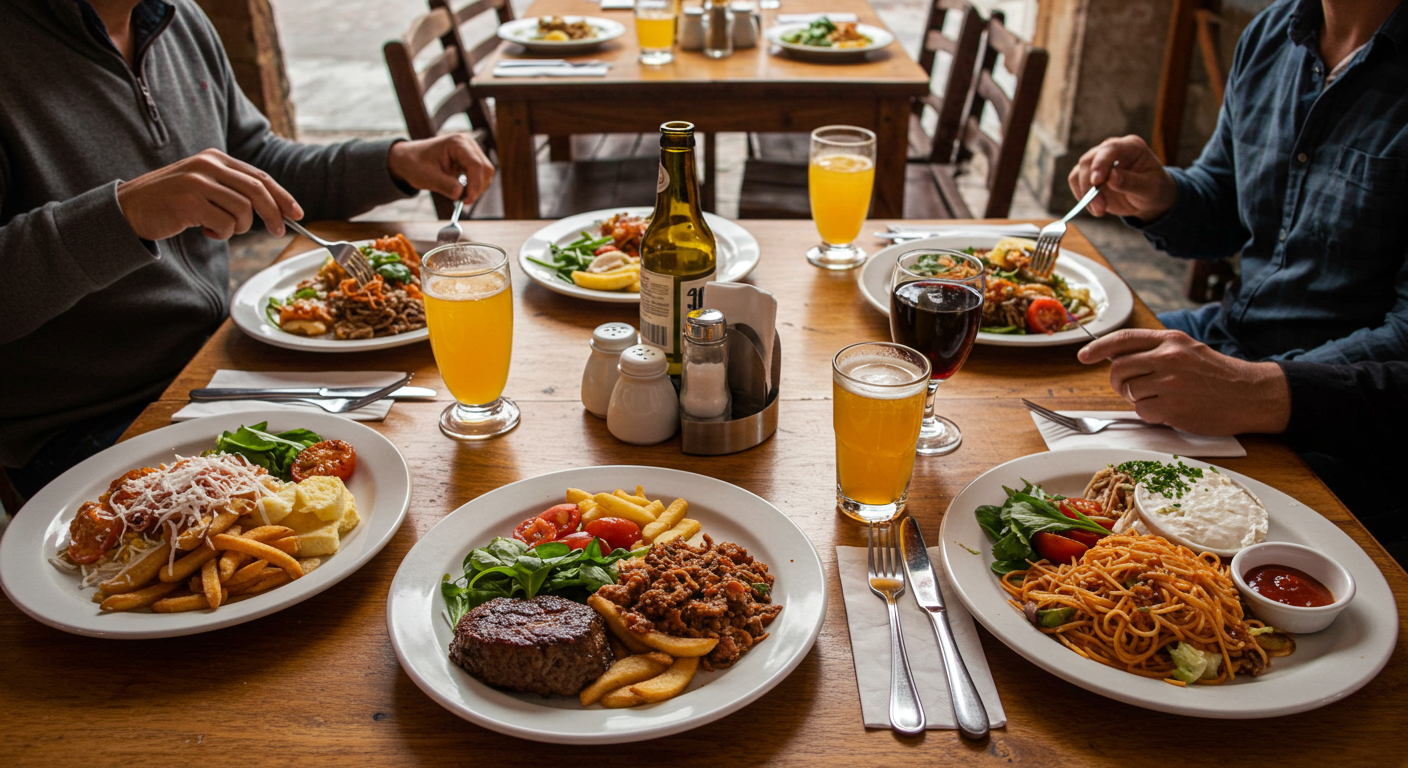
Ecuador recorded a rare bout of monthly deflation in May, an unusual shift after the more familiar pattern of rising consumer prices. For diners, that matters because food costs were part of the story, suggesting at least some pressure eased in the broader cost of living.
Still, lower national food inflation does not automatically mean restaurant bills in Cuenca will fall. Eating out depends on much more than ingredient costs, and city-by-city dining prices can remain stubbornly high even when the national picture softens.
Ecuador’s May deflation was unusual, and food prices helped drive it
According to Ecuador’s official consumer price data from the National Institute of Statistics and Census, May brought a rare monthly decline in the general price level. In plain terms, deflation means the average basket of consumer prices fell slightly instead of rising.
For households and diners, that can be encouraging when food categories are among the factors easing overall inflation. If grocery and wholesale food costs stop climbing as quickly, or even dip in some areas, that can reduce some of the pressure felt across the economy.
That said, one month of deflation does not necessarily signal a lasting trend. It is better understood as a snapshot showing that price pressures, including some food-related ones, were softer in May than many consumers have grown used to seeing.
What cheaper food inputs do and do not mean for restaurant bills
Softer food inflation is not the same as cheaper restaurant meals. Restaurants buy ingredients, but they also pay rent, wages, utilities, transportation, taxes, and other operating costs that may not be falling at the same pace.
Business owners also set menu prices with an eye on margins and future uncertainty. If they believe lower food costs are temporary, many may choose not to rewrite menus right away. Instead, they may use any short-term relief to stabilize their finances rather than pass savings directly to customers.
That helps explain why diners may not feel immediate relief even when national inflation headlines improve. The path from lower food-price pressure to a cheaper lunch or dinner out is neither direct nor guaranteed.
Why Cuenca can still feel expensive for eating out
Cuenca’s reputation as an expensive place to dine out should be considered separately from the national inflation story. A country can post softer food prices overall while a specific city still feels pricey in practical, everyday terms.
Part of that comes down to local market conditions. Restaurant concentration in certain neighborhoods, stronger demand in popular districts, tourism, higher commercial rents, and customer expectations around service can all keep menu prices elevated.
So even if national food costs ease, Cuenca diners may continue to encounter relatively high prices at cafés, mid-range restaurants, and internationally oriented venues. The local experience at the table does not always move in step with national CPI trends.
How strong is the claim that Cuenca is Ecuador’s priciest city to eat?
This is where caution matters. Official inflation data can show how prices are moving in cities, but that is not the same as a definitive national ranking of restaurant costs.
If there is no official city-by-city government ranking specifically for restaurant prices, it would be too strong to present Cuenca as conclusively the single most expensive city in Ecuador for eating out. A more careful formulation is that Cuenca appears to be among the pricier cities for dining out in some user-reported cost-of-living measures.
Platforms such as Numbeo and Expatistan can offer useful signals about how consumers perceive relative restaurant prices, but they are crowd-sourced indicators rather than authoritative proof. They can help illustrate sentiment and comparisons, yet they should not be treated as the final word on a national restaurant-cost hierarchy.
In other words, Cuenca may well feel expensive to many residents and visitors, but the claim that it is definitively Ecuador’s priciest city to eat out requires stronger dedicated evidence than broad user-submitted databases alone.
What official data can tell us about city-level price differences
The National Institute of Statistics and Census price data is the strongest official source for understanding inflation and consumer-cost trends in Ecuador’s urban areas. It can help show whether Cuenca is seeing faster or slower price changes than other cities in the consumer basket overall, and that provides valuable context.
But there is an important distinction between overall urban inflation and a narrow ranking of restaurant prices. A city might have moderate general inflation while still feeling expensive in certain categories, including dining out. The reverse can also be true.
Banco Central del Ecuador can add macroeconomic context on the broader economy, consumer conditions, and national trends, but it does not replace CPI-based evidence for city-level price behavior. For readers trying to understand restaurant costs, official inflation data is best used as context rather than as a direct scorecard of where it is most expensive to order a meal.
What diners and restaurant operators should watch next
The key question now is whether May’s softer reading was a brief pause or the start of a more durable trend in food prices. Future releases from the National Institute of Statistics and Census will matter more than any single month in showing whether easing pressure continues.
Diners should watch food categories in upcoming CPI reports, along with what actually happens on menus around Cuenca. Restaurant operators, meanwhile, will be weighing ingredient costs against labor, rent, and utility bills that can keep pressure on final prices.
The practical takeaway is straightforward: lower national food inflation is welcome news, and rare deflation is notable, but Cuenca residents should not assume that eating out will suddenly become cheap. Any relief at the table is likely to arrive slowly, unevenly, and only if broader cost pressures continue to ease.