Ecuador’s Quinoa Eyes China as Tariff-Free Access Opens a New Export Conversation
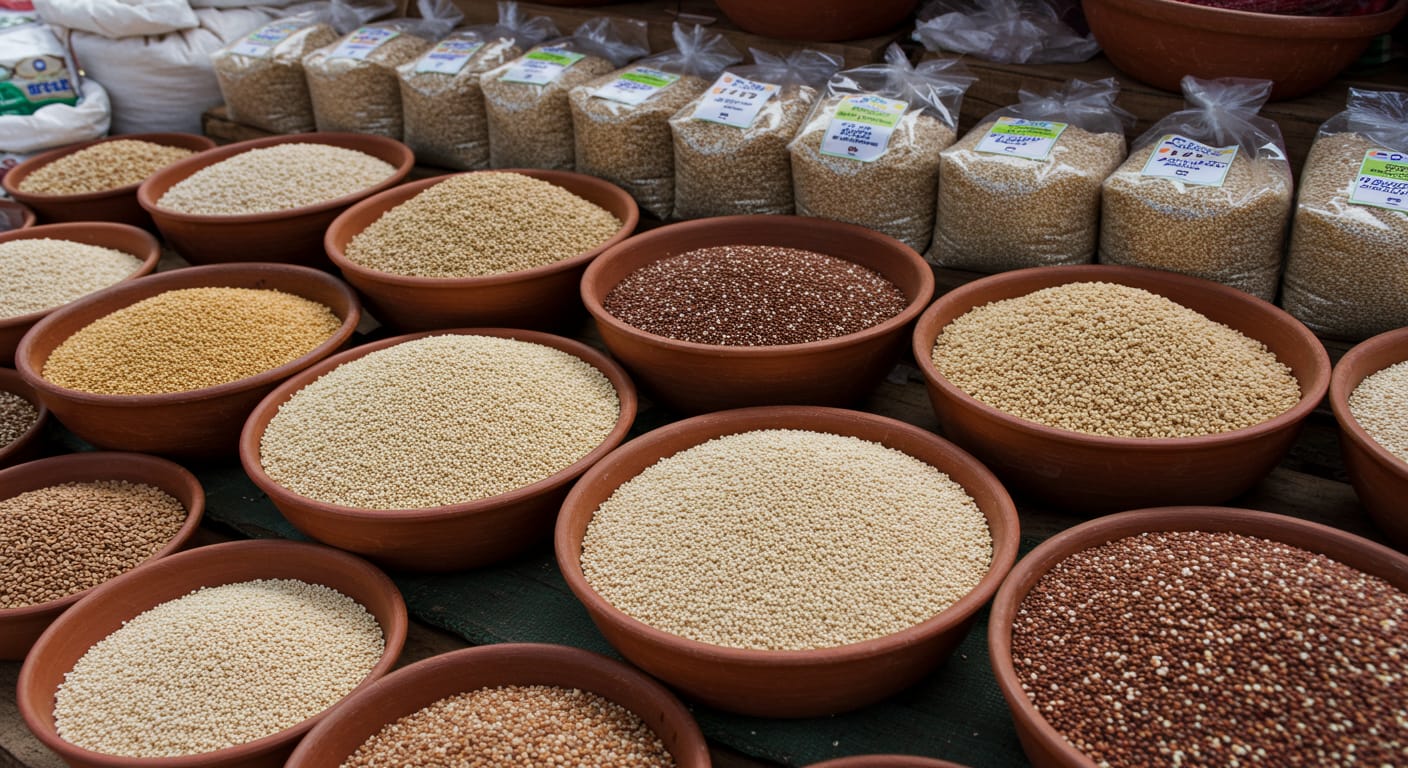
Ecuador is looking to China as a potentially important new market for quinoa and other Andean food products. The conversation centers on tariff preferences, market access, and the bigger question of whether a once-specialty grain can earn a broader place in one of the world’s largest food markets.
For restaurants, importers, and food brands, the headline is attractive: lower trade barriers can make an imported ingredient easier to price, promote, and scale. But tariff-free access does not automatically mean every product qualifies, every shipment moves smoothly, or consumer demand appears overnight. In practice, the opportunity depends on product classification, customs rules, buyer relationships, and how well Ecuador can turn origin and quality into a compelling sales story.
Why Ecuador Is Looking to China for Quinoa Growth
China is a massive consumer market with room for imported specialty foods, especially products tied to wellness, premium pantry trends, and plant-forward eating. That makes quinoa a logical lead product in Ecuador’s pitch. It is an Andean grain already familiar to global health-food buyers, and it carries a clean, nutritious image that works across retail shelves, café menus, and home cooking.
Ecuador’s trade and export agencies have promoted agricultural diversification and value-added food exports, and quinoa fits that strategy well. It offers a story that combines highland origin, traceability, and modern food positioning. Still, any claim about tariff treatment or admissibility needs to be read carefully. Trade openings are often product-specific, and exporters typically must match the correct customs codes, sanitary requirements, and labeling rules before they can benefit.
What Tariff-Free Access Actually Means
In trade terms, “tariff-free” can sound simpler than it really is. It may refer to a zero-duty rate for a specific product line, preferential treatment under a broader agreement, or a change that applies only after customs classification and compliance checks are complete. Market admissibility is a separate issue. A product can face a reduced tariff and still need to satisfy import protocols, documentation, packaging rules, and destination-market standards.
That distinction matters for quinoa as much as for any related superfood item. A raw grain, a processed snack, and a packaged blended food may all fall under different classifications. So while the broader trade opening is important, exporters and buyers will be watching for exact product eligibility, confirmed tariff schedules, and any technical requirements tied to the category.
Why Quinoa Fits the China Market Now
Quinoa enters the conversation at a time when health-forward grains and nutrient-dense staples have a clearer commercial lane than they did a decade ago. Across many markets, consumers have shown more interest in high-protein pantry items, gluten-free alternatives, and ingredients that can move between home cooking and foodservice. Quinoa benefits from all three trends.
For the dining world, that creates several possible entry points. Restaurants can use quinoa in grain bowls, salads, breakfast dishes, or as a premium side. Cafés and casual health-focused concepts can build it into ready meals. Packaged-food brands can position it in cereal blends, snack formats, or convenience products aimed at urban consumers. Online grocery channels can also help imported ingredients build awareness before they become mainstream in physical stores.
That does not guarantee fast adoption in China, but it does mean quinoa arrives with a recognizable international identity rather than as a completely unfamiliar grain.
Ecuador’s Pitch: Andean Origin as a Food Brand
Ecuador’s opportunity is not just to sell quinoa as a commodity, but to market it as part of a wider Andean food narrative. Origin matters in premium food categories, and buyers often respond to stories about altitude, cultivation traditions, quality standards, and traceable sourcing. If Ecuador can connect quinoa to those values, it may be able to compete on more than price alone.
That matters because quinoa is already associated globally with Andean agriculture. Ecuador can use that familiarity to present its product as authentic, export-ready, and suitable for both bulk buyers and branded retail channels. The country’s broader food-export ambitions support that approach, though it would be premature to assume quinoa alone will become a large-volume export success without sustained buyer development.
Which Superfoods Could Travel With Quinoa
The term “superfoods” is commercially useful but often imprecise. In this case, quinoa is the clearest anchor product. Beyond that, any suggestion that additional Ecuadorian foods now enter China on the same terms should be treated cautiously unless confirmed in official trade or customs materials.
That is because raw agricultural products and processed foods can face very different rules. A seed, flour, snack, beverage mix, or packaged health product may each require separate review under customs and sanitary frameworks. For exporters, the practical question is not whether a product sounds similar to quinoa, but whether it has documented eligibility, the right classification, and a buyer willing to test the market.
If more Andean products do follow quinoa into China, they are likely to do so first through selective channels rather than through a broad, immediate wave of tariff-free shipments.
What Restaurants, Importers, and Food Brands Will Watch
The first question for the trade is whether improved access changes price competitiveness enough to matter. Even a strong tariff story will not reshape menu decisions if the ingredient remains expensive, inconsistent, or difficult to source. Importers will want clarity on supply reliability, shipment timing, certifications, and labeling compliance. Food brands will also want to know whether consumer education costs are manageable.
Restaurants, meanwhile, often adopt imported specialty grains only after they become easier to buy in steady volumes. That suggests early traction may come through retail and e-commerce before foodservice scales up. If quinoa performs well in packaged and home-cooking formats, restaurant demand could follow as the ingredient becomes more familiar to diners.
Presentation is another factor. Quinoa may sell best when framed not as an abstract superfood, but as a versatile ingredient with practical uses: salads, soups, breakfast bowls, side dishes, and convenience meals that fit current wellness-oriented eating habits.
The Constraints Behind the Opportunity
Trade access creates possibility, not certainty. China is a huge market, but it is also highly competitive, with strong domestic preferences, established import systems, and many alternative grains and healthy-food products competing for shelf space. Ecuadorian quinoa would also be entering a landscape where other producing countries already have international recognition.
Consumer familiarity is another limit. Quinoa has global visibility, but visibility is not the same as habitual use. Buyers may still need to invest in recipes, promotion, packaging, and market education. Logistics can also shape the outcome: freight costs, inventory planning, importer confidence, and the ability to maintain consistent product quality all affect whether a promising headline becomes a durable export category.
What to Watch Next
The next phase will be less about the announcement and more about execution. Exporters and industry watchers will be looking for official confirmation on eligible product lines, tariff schedules, customs handling, and any first commercial shipments. Trade missions, importer agreements, and follow-up promotion in China will be meaningful signals that the opportunity is moving from policy language into actual business.
The bigger test is whether Ecuador can turn quinoa into a repeatable China-bound category rather than a one-off export talking point. If pricing, compliance, and consumer positioning line up, the grain could move from niche wellness symbolism into broader retail and dining relevance. If not, the story may remain more promising on paper than in the market.