Ecuador's Premium Coffee Revolution: Local Roasters Challenge Import Dominance
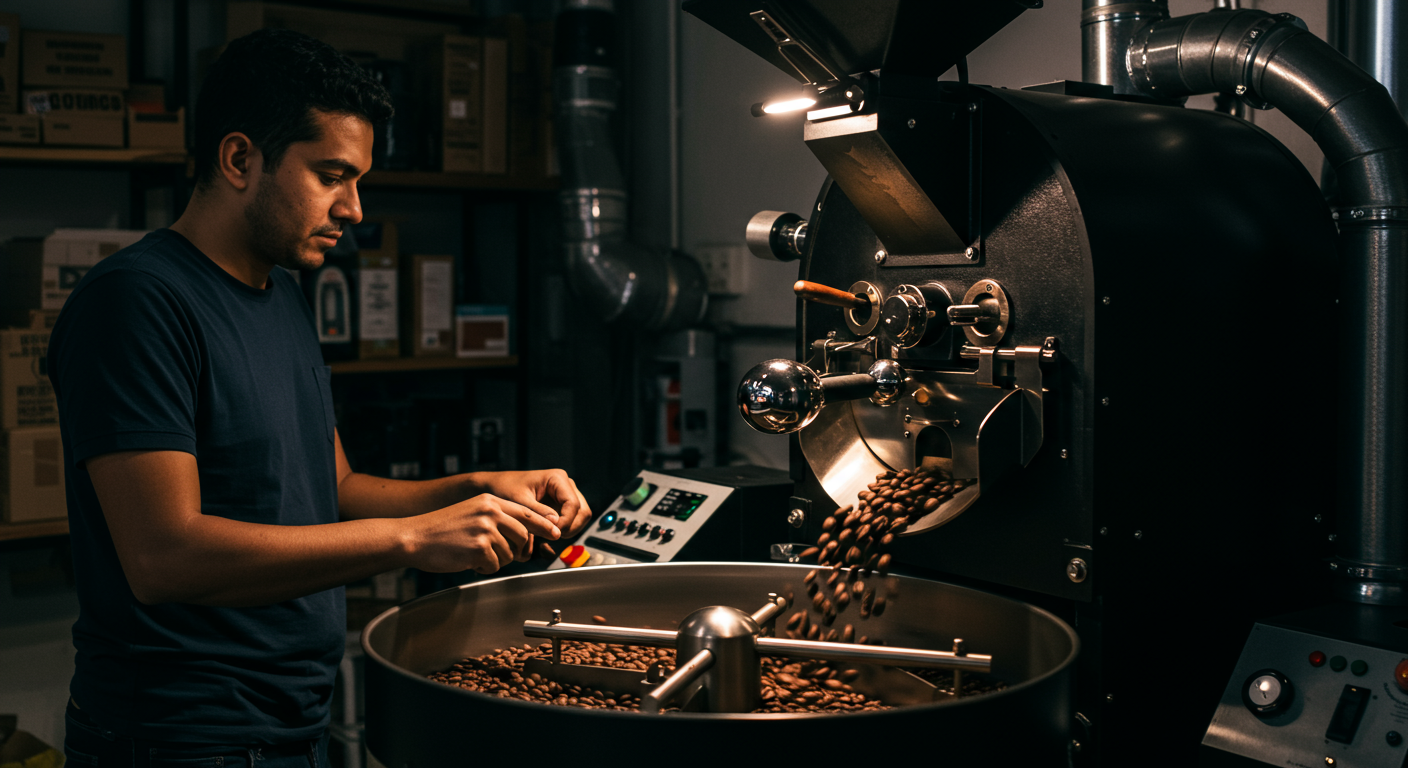
Something quietly revolutionary is brewing in Ecuador's coffee scene. Local specialty roasters are finally commanding the premium prices that imported beans have enjoyed for years. Right here in Cuenca, artisanal coffee companies like Tostaduría and Nucallacta are positioning their single-origin offerings as luxury products—and coffee lovers are paying attention.
Flipping the Script on Ecuadorian Coffee
For decades, Ecuador played the role of supplier, shipping its finest beans overseas while locals reached for imported brands when they wanted something special. That's changing fast. Local roasters are developing sophisticated processing techniques and smart branding that showcases what makes Ecuadorian coffee regions truly unique.
This shift mirrors what's happening across Latin America, where coffee-producing countries are keeping more of the good stuff at home instead of watching others profit from their beans.
Cuenca's Coffee Pioneers
Walk into any serious coffee shop in Cuenca and you'll likely encounter Tostaduría's handiwork. This local roaster has built its reputation on small-batch processing and direct farmer relationships. Their single-origin bags tell the story of specific Ecuadorian regions, each with its own character and growing conditions.
What's bold about Tostaduría's approach is their pricing strategy. They're not apologizing for charging what their coffee is worth—even when it costs more than familiar imported brands. It's a bet that educated coffee drinkers will pay for quality and traceability.
Nucallacta's Smart Positioning
Nucallacta has taken a different but equally effective approach. Their branding celebrates Ecuador's volcanic soils and unique microclimates while meeting the exacting standards that specialty coffee drinkers expect. The packaging and messaging feel as polished as anything from Portland or Melbourne.
By pricing their products alongside international specialty brands rather than below them, Nucallacta sends a clear message: Ecuadorian coffee doesn't need to be the budget option anymore.
The Economics Behind the Premium
Premium pricing only works if customers understand what they're paying for. That means educating coffee drinkers about processing methods, growing conditions, and flavor profiles. It also requires consistently delivering on quality promises.
For local farmers, this domestic premium market creates new opportunities. Instead of selling beans as generic exports, they can work with roasters who pay more for quality and consistency. This relationship building strengthens the entire local coffee economy.
Why Ecuadorian Coffee Deserves Respect
Ecuador's coffee regions—particularly around Loja, Zamora-Chinchipe, and El Oro—produce beans with remarkable diversity. Altitude variations, volcanic soils, and distinct microclimates create flavor profiles that range from bright and citrusy to rich and chocolatey.
Recent investments in processing equipment and quality control have made these regional differences more consistent and pronounced. When you can taste the difference, premium pricing makes perfect sense.
What This Means for Coffee Culture
The success of these premium domestic brands could reshape Ecuador's entire coffee industry. If local roasters continue capturing higher values, more farmers will likely focus on quality over quantity. Better processing, more attention to detail, and stronger farmer-roaster relationships become financially attractive.
There's also a cultural shift happening. Supporting local businesses feels good, and understanding where your coffee comes from adds meaning to that morning ritual. As more Ecuadorians develop sophisticated coffee palates, the market for premium domestic coffee should keep growing.
Most importantly, building a strong domestic specialty coffee market reduces Ecuador's dependence on volatile export markets while keeping more value at home. It's economic development that you can actually taste.