Ecuador’s Dragon Fruit Export Boom Is Reaching the Table, and Cañar May Feel the Spillover
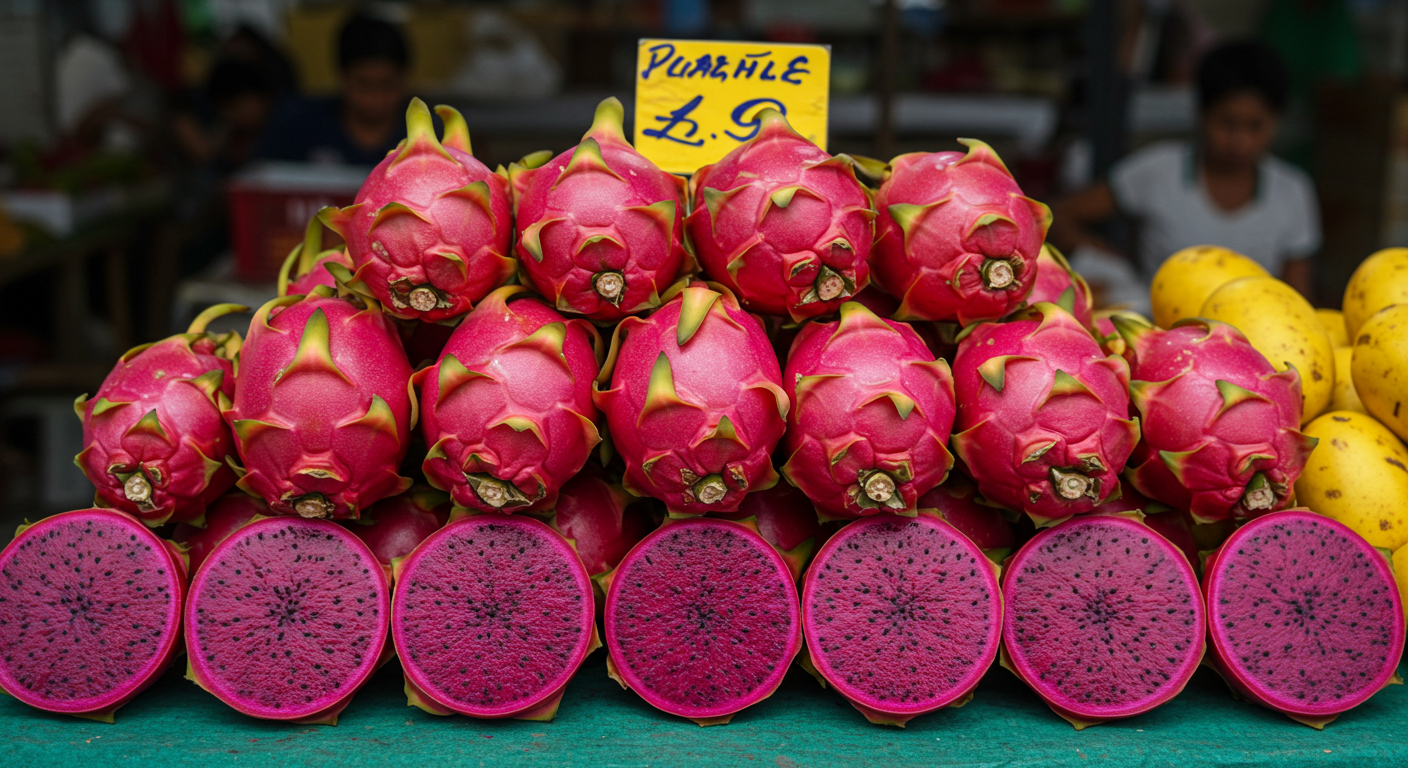
Ecuador’s dragon fruit surge is becoming a dining story, not just an export story. Reports citing official trade and government data indicate that the country’s dragon fruit exports jumped about 40 percent to roughly $180 million, a sign that pitahaya has become one of Ecuador’s most visible specialty fruits in international markets.
For diners and food businesses, that kind of momentum matters because export success often changes how an ingredient is viewed at home. What was once a niche or seasonal fruit can start showing up more often in juice bars, dessert counters, breakfast menus, and market displays. In that sense, dragon fruit is moving beyond a trade headline and into the broader conversation about contemporary Ecuadorian food culture.
What is driving the export surge
The headline figure points to a sharp rise in overseas demand, supported by trade and government reporting. Dragon fruit has become especially attractive in export markets because it is visually distinctive, easy to feature in premium produce sections, and versatile enough for fresh consumption, juices, desserts, and garnishes.
Ecuador has also strengthened its profile as a pitahaya supplier, benefiting from the fruit’s bright color, recognizable shape, and growing popularity with consumers looking for tropical products that feel both fresh and upscale. Some of the appeal is culinary, some of it is aesthetic, and some comes from the way dragon fruit fits neatly into trends such as smoothies, fruit bowls, and highly shareable drinks and desserts.
How a booming export crop can reshape dining culture at home
When a fruit gains international attention, local hospitality businesses usually notice. Restaurants, cafés, juice vendors, and market sellers may begin treating dragon fruit as a core menu feature rather than an occasional extra. Its uses are broad: blended into smoothies, layered into breakfast bowls, turned into sorbets, folded into pastries, served in cocktails, or used as a striking garnish for desserts and even savory dishes.
That rising profile can also give the fruit a more premium identity. For some businesses, adding pitahaya is not only about flavor but also about color, freshness, and presentation. It photographs well, signals seasonality, and suits menus that want to feel modern, tropical, and locally connected at the same time.
There is also a tension that often comes with successful export crops: stronger international demand can raise questions about local availability, consistency, or pricing. Without location-specific reporting, that should be treated as a possibility rather than a confirmed outcome here. Still, it is one practical issue worth watching if dragon fruit becomes more prominent in everyday dining.
Where Cañar fits — carefully
The regional angle deserves nuance. The export boom is real in trade terms, but that does not automatically prove that neighboring Cañar is directly cashing in at every level of the food economy. Unless a source specifically ties Cañar producers, traders, wholesalers, transport links, or restaurant supply chains to the surge, it is more accurate to describe the province as part of a broader regional spillover story.
That spillover can still matter. Neighboring provinces often feel the effects of agricultural growth through logistics, wholesale movement, labor, distribution, and increased culinary visibility. If dragon fruit production and trade continue expanding nearby, markets and food businesses in Cañar could see more opportunities to source, sell, or feature the fruit, even if the strongest documented gains are centered elsewhere.
Why restaurants and food businesses are paying attention
For chefs and vendors, dragon fruit offers several advantages at once. It has a premium look without requiring much processing, works across drinks and desserts, and helps businesses create colorful menu items that stand out. In a competitive dining market, that matters. A fruit that already carries international recognition can also help restaurants tell a story about Ecuadorian ingredients with export credibility and local character.
There is a branding effect too. When an Ecuadorian product succeeds abroad, local businesses often gain confidence in presenting it as part of a contemporary national identity. A café can use pitahaya in a smoothie as a freshness signal. A dessert shop can feature it as a seasonal highlight. A restaurant can use it to suggest regional sourcing and a more current, visually driven approach to Ecuadorian cuisine.
What diners should watch next
The clearest signs of this trend will show up in everyday places: more dragon fruit beverages on café boards, more fresh halves and slices in market stalls, more desserts built around bright pink or white flesh, and more seasonal promotions built around pitahaya’s visual appeal.
The bigger question is whether export momentum turns into stable local supply and a broader menu presence, not just a few eye-catching specials. For Cañar in particular, the most responsible takeaway is a measured one: Ecuador’s dragon fruit boom appears well supported as a trade story, while any claim about specific local gains should remain proportionate to the available evidence.