Ecuador's Beer Tax Holiday Ends July 19: Why Pilsener Costs $1 and Craft Prices Barely Budged
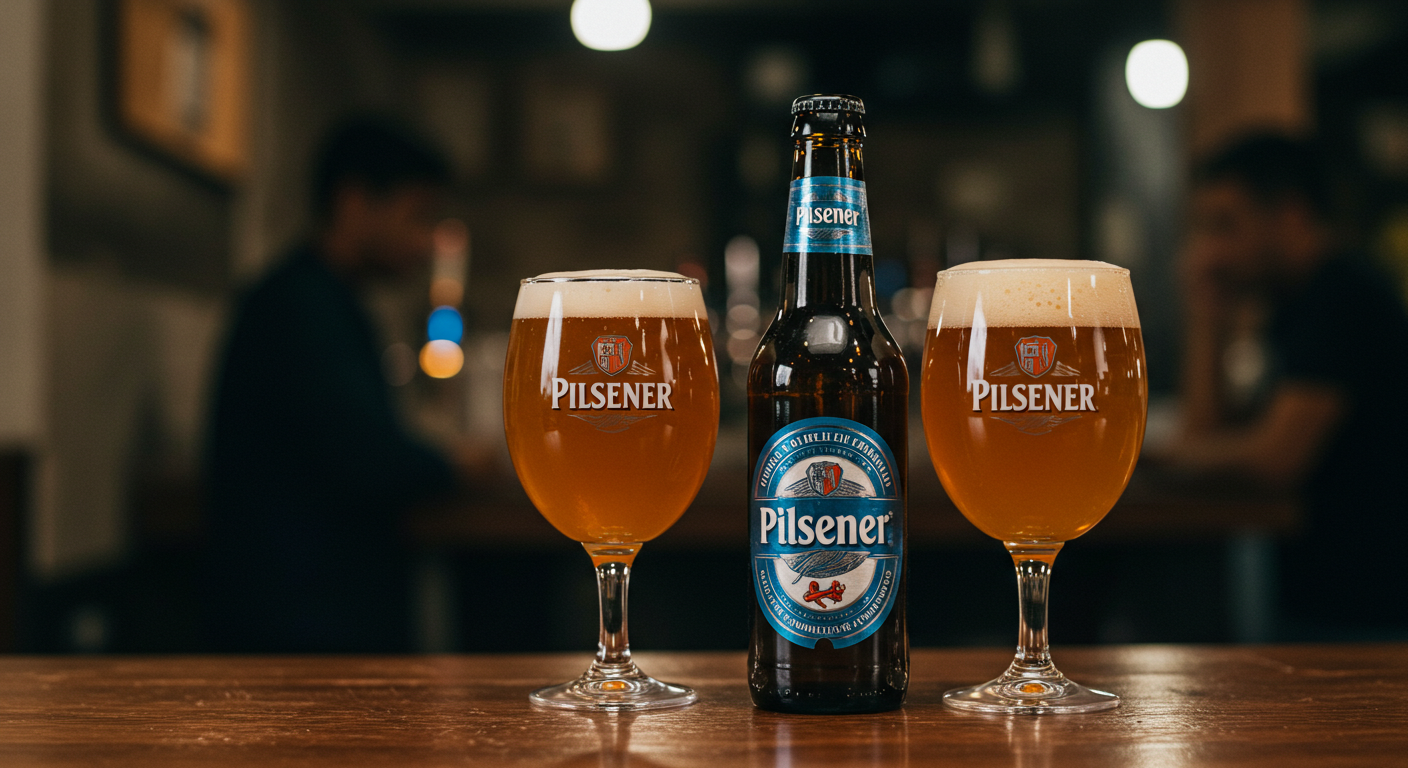
Ecuador's Beer Tax Holiday Ends July 19: Why Pilsener Costs $1 and Craft Prices Barely Moved
Ecuador's Beer Tax Holiday Comes to an End on July 19
Ecuador has been operating under a temporary reduction of the ICE (Impuesto a los Consumos Especiales) special consumption tax on beer, a measure widely described as a "tax holiday." The reduced rate is scheduled to expire on July 19, when the standard ICE rate on beer will be restored.
The temporary measure was introduced as part of broader efforts to support the beverage and hospitality sector, easing pricing pressure on beer sold at the retail and on-premise level. Once the holiday ends, the effect is straightforward: the excise tax embedded in the price of each unit of beer reverts to its standard, higher rate.
Because ICE is calculated based on volume and alcohol content thresholds, the practical impact of this reversal varies significantly depending on the type of beer and the scale of the producer.
Why Pilsener-Style Beer Has Been Selling for About $1
During the tax holiday, mass-market pilsener-style beers have commonly retailed for around $1 per unit. This pricing reflects how the reduced ICE rate interacts with high-volume production: large industrial brewers, who produce standardized lager-style beer at scale, were able to pass much of the tax savings directly through to consumers.
Because industrial pilsener production relies on high volume and relatively low per-unit input costs, the excise tax historically represents a proportionally larger share of the final retail price compared to craft beer. When that tax component was reduced, the effect on shelf prices was more immediately visible for these mass-market products.
Consumer demand during the tax holiday reportedly remained strong for these lower-priced pilsener options, consistent with typical price-sensitive behavior in a category where mass-market beer is often treated as a commodity good.
Craft Beer Prices Barely Moved — Here's Why
Craft beer pricing, by contrast, showed comparatively little movement during the same period. Craft breweries typically operate with a different cost structure, one driven more heavily by specialty malts, imported or specialty hops, smaller batch sizes, and higher per-unit packaging and labor costs.
Because the ICE tax is structured around volume-based tiers that primarily benefit high-output producers, the relief tied to the tax holiday had a more limited effect on small-batch craft brewers. For these producers, the excise tax represents a smaller share of total costs compared to ingredients and production overhead, meaning that even with reduced ICE rates, there was little room — or need — for significant price adjustments.
This divergence highlights a broader pattern: industrial brewers, whose pricing is closely tied to tax-driven cost structures, are more sensitive to changes in the ICE mechanism, while craft producers' pricing tends to track input costs more directly.
What Happens to Prices After July 19
With the tax holiday set to expire, mass-market pilsener beer is expected to see price increases as the standard ICE rate is reinstated. Given how closely the roughly $1 price point has tracked the reduced tax rate, industry observers anticipate that industrial brewers will need to adjust shelf prices upward to reflect the restored tax burden.
Craft beer pricing, by comparison, is expected to remain largely stable in the near term, since the end of the tax holiday primarily affects the volume-based tax tier most relevant to industrial producers rather than the cost inputs that drive craft pricing.
Retailers and industry participants are likely to closely monitor the transition period following July 19, particularly regarding consumer response to higher mass-market beer prices and any shifts in purchasing patterns between industrial and craft segments.
Official Sources and Market Context
The tax rates, mechanism, and expiration date associated with this measure are matters of public tax policy, falling under the purview of Ecuador's tax authority, the Servicio de Rentas Internas, known as the SRI, and the Ministry of Finance.
Market context, consumer pricing observations, and industry reaction have been covered by national outlets including El Telégrafo, El Comercio, and Primicias, which have reported on the practical effects of the tax holiday on retail pricing and consumer behavior.
Statements or pricing information from national brewing companies reflect industry perspective and should be understood as background context from an interested party, rather than independent verification of tax policy or market-wide pricing trends.