Ecuador's Agricultural Pesticide Use: What Diners Need to Know
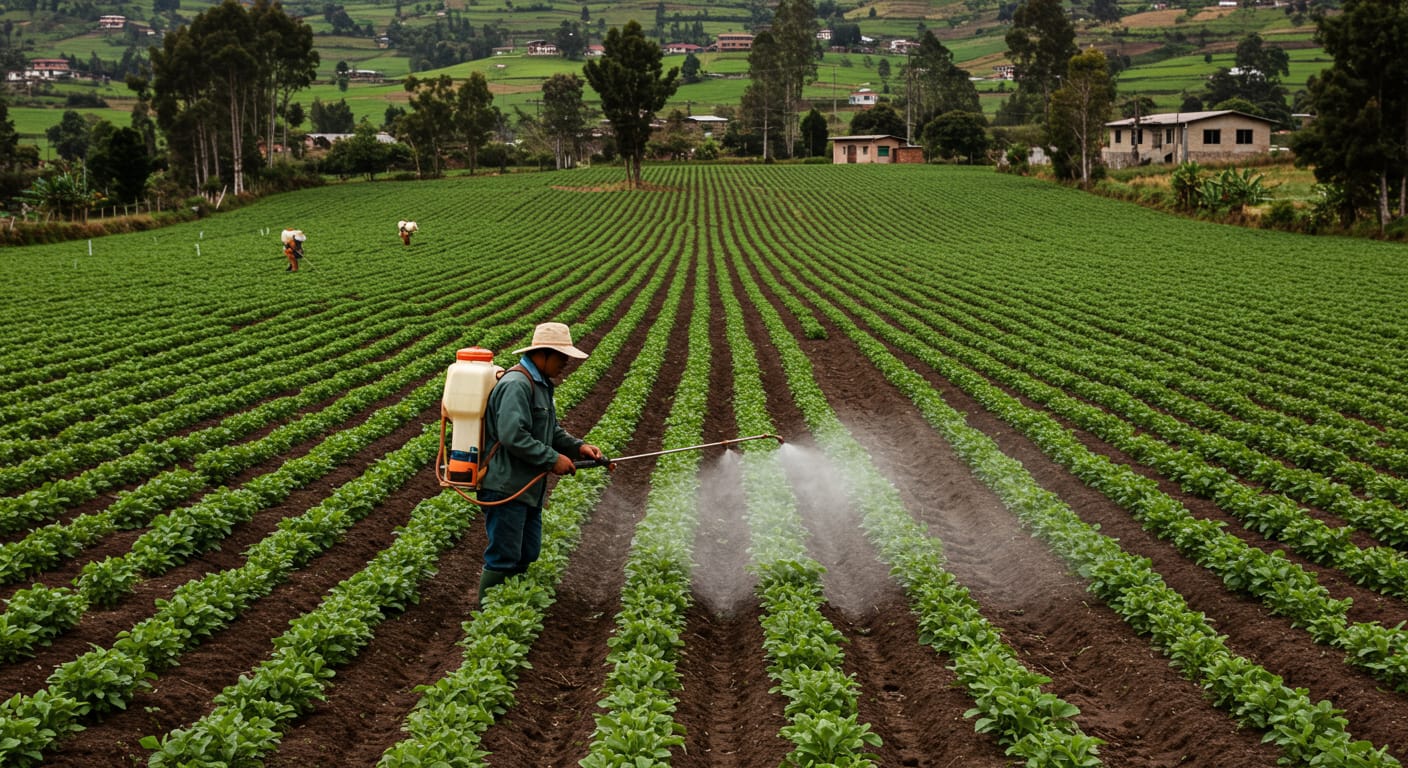
When dining in Ecuador, understanding the country's agricultural practices can enhance your culinary experience and help you make informed food choices. Ecuador's diverse agricultural sector, which produces everything from tropical fruits to Andean vegetables, relies on various farming methods that ultimately affect what appears on restaurant plates across the country.
Ecuador's Agricultural Pesticide Reality: What Diners Should Know
According to the Food and Agriculture Organization, Ecuador's pesticide usage patterns reflect those of a major agricultural exporter with intensive farming operations. The country's agricultural sector uses pesticides at rates comparable to other Latin American nations, with applications varying significantly between crops destined for export markets versus domestic consumption.
This agricultural reality directly connects to restaurant food safety standards. Many establishments, particularly in tourist areas and upscale dining districts, have developed relationships with suppliers who can provide documentation about their farming practices and pesticide usage patterns.
From Farm to Fork: Pesticide Residues in Ecuadorian Cuisine
Common crops that appear frequently on Ecuadorian restaurant menus include bananas, roses (used as garnishes), broccoli, and various tropical fruits. These crops often receive different levels of pesticide treatment depending on whether they're grown for export or domestic markets.
The World Health Organization provides benchmarks for acceptable residue levels, and Ecuador's food safety monitoring systems work to ensure compliance with these international guidelines. Seasonal variations in pesticide application mean that certain times of year may see higher or lower residue levels in fresh produce served at restaurants.
Many restaurants now highlight their sourcing practices, particularly those specializing in farm-to-table dining experiences or traditional Ecuadorian cuisine that emphasizes local ingredients.
Regulatory Framework and Food Safety Standards
Ecuador's government has established pesticide policies that align with Pan American Health Organization guidelines for Latin American food safety standards. These regulations affect how restaurants and their suppliers must handle ingredient sourcing and documentation.
The enforcement of these standards varies by region, with stricter compliance often seen in areas with high concentrations of restaurants serving international visitors or export-oriented agricultural zones.
Restaurants increasingly navigate compliance requirements by working directly with certified suppliers or participating in traceability programs that document the journey of ingredients from farm to plate.
Making Informed Dining Choices in Ecuador
Diners interested in understanding their food's origins can ask restaurants about their ingredient sourcing practices. Many establishments, particularly those focusing on organic or sustainable cuisine, are happy to discuss their supplier relationships and farming method preferences.
Look for restaurants that specifically mention working with organic farmers, participating in local agricultural cooperatives, or featuring seasonal menus that reflect sustainable farming cycles. These establishments often have deeper knowledge of their ingredients' production methods.
Regional variations in agricultural practices mean that dining in different parts of Ecuador may offer varying approaches to ingredient sourcing, from the coastal regions to the Andean highlands.
The Future of Ecuador's Food Safety Landscape
Ecuador's agricultural sector is experiencing growing interest in sustainable farming practices, partly driven by international trade requirements and increasing domestic awareness of food safety issues.
The dining industry is responding to these trends with more restaurants highlighting their commitment to working with farmers who use reduced-pesticide or organic growing methods. This shift is particularly noticeable in Ecuador's major cities and tourist destinations.
As consumer awareness grows, the connection between agricultural practices and restaurant quality continues to influence how dining establishments select their suppliers and present their food stories to guests.