Ecuadorian Shrimp Has Overtaken Oil, and You Can Taste the Difference on the Menu
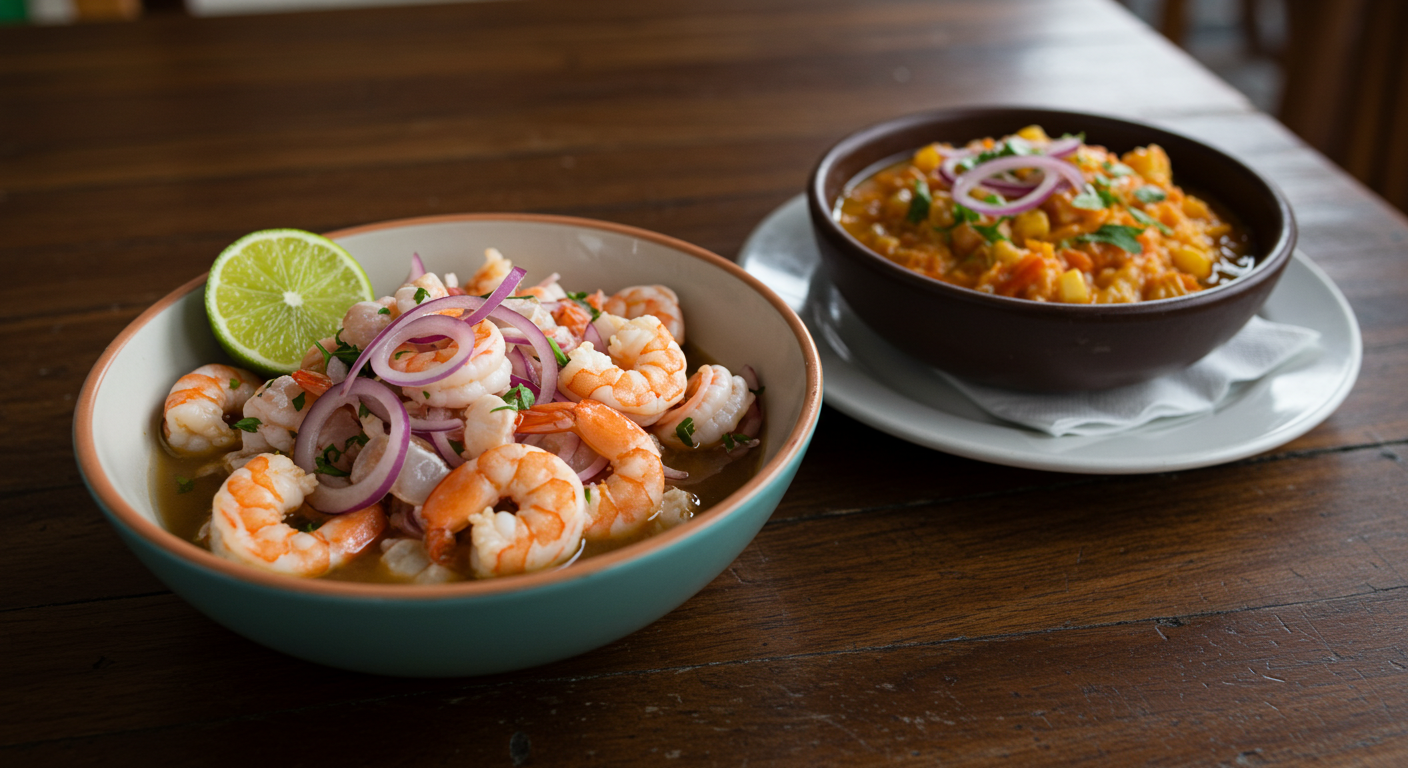
Ecuadorian shrimp has pulled off a remarkable crossover. The same ingredient many diners know from chilled ceviche bowls and seafood platters has become a bigger export earner than oil. Recent reporting based on Banco Central del Ecuador data puts shrimp export earnings at roughly $8.4 billion, a milestone that turns a familiar menu staple into one of the country’s defining economic products.
For Dining-Out readers, that matters because it connects two parts of Ecuadorian life that can seem far apart. One is the big-picture story of exports, foreign exchange, and global demand. The other is the everyday restaurant reality: shrimp is one of the country’s most recognizable seafood ingredients. The same product driving national trade headlines is also woven into dishes people order without a second thought.
Why shrimp is suddenly bigger than oil
The headline is simple, even if the economics behind it are not. Shrimp has recently out-earned oil in Ecuador’s export mix. That does not mean oil stopped mattering. It means shrimp has become so strong, and so internationally competitive, that it has moved from a major agricultural export to a symbol of a broader shift in the country’s economy.
That rise stands out because shrimp is not an abstract commodity to most Ecuadorians. It is highly visible in the food culture. When a product with that much culinary familiarity becomes a national export engine, the story feels more immediate than a typical trade statistic.
Still, export power and local dining are not the same thing. A booming export sector does not automatically mean shrimp is cheap everywhere or that it dominates every seafood menu. What it does suggest is that shrimp remains central to Ecuador’s production and food identity, so diners continue to encounter it regularly in restaurants, markets, and casual seafood spots.
How the boom reaches the table
Shrimp has long held an easy, established place in Ecuadorian cooking, especially in coastal seafood traditions that travel well across the country. Even inland, diners are used to seeing camarón in ceviches, rice dishes, mixed seafood plates, and daily specials built around familiar national flavors.
That helps explain why the export story does not feel distant. Shrimp is not just something loaded into containers for foreign markets. It is also a food people already associate with going out for lunch, sharing a seafood meal, or ordering something that feels distinctly Ecuadorian.
In places like Cuenca, the connection is most visible in seafood restaurants, cevicherías, and market-style food settings where coastal dishes have a steady audience. The point is not that every menu revolves around shrimp, but that it is prominent enough to make the national export milestone easy to recognize at the table.
Ceviche is the clearest menu connection
If one dish best links Ecuador’s shrimp boom to dining-out culture, it is shrimp ceviche. This is where the export success becomes easiest to recognize in a bowl or glass: tender shrimp served cold, bright with citrus and onion, in the brothy style many Ecuadorian diners know well.
Shrimp ceviche is so common because it sits at the intersection of familiarity and flexibility. It can show up at a modest lunch counter, a dedicated seafood restaurant, or a more polished menu without losing its identity. That wide presence makes it the clearest culinary bridge between the export economy and the dining scene.
For Cuenca diners, the point is not that shrimp ceviche defines the city’s entire food culture. It is simply one of the easiest places to see how a nationally important product stays highly visible in everyday restaurant life.
Encebollado deserves a careful distinction
It is worth being precise here. Encebollado is one of Ecuador’s iconic seafood dishes, but its traditional form is fish-based, especially tuna. That means shrimp should not be presented as the ingredient that anchors encebollado in the same way it anchors many ceviche orders.
Some restaurants may offer shrimp variations, mixed seafood soups, or menus where shrimp and encebollado appear side by side. But the classic dish belongs to a different tradition. Keeping that distinction clear actually strengthens the bigger food story: Ecuador’s seafood identity is rich because it includes both export-driven ingredients like shrimp and enduring dish traditions like tuna-based encebollado.
What Cuenca diners can realistically take from this
The most grounded takeaway is that Ecuador’s shrimp export milestone helps explain why shrimp continues to feel so present in the national dining imagination, even far from the coast. In Cuenca, that presence is easiest to spot where seafood culture is already established: cevicherías, seafood-focused restaurants, and informal spots serving familiar coastal classics.
At the same time, local menus still preserve the logic of the dishes themselves. Shrimp may be one of Ecuador’s economic stars and one of its most visible seafood ingredients, but that does not erase the traditional role of tuna in encebollado or the wider diversity of seafood cooking across the country.
In other words, the export headline is dramatic, but the dining lesson is straightforward. Ecuadorian menus often reflect what the country produces exceptionally well. Right now, nothing makes that point more clearly than shrimp.