Ecuador spotlights CECA-13 fine-aroma cacao clone to strengthen farm resilience
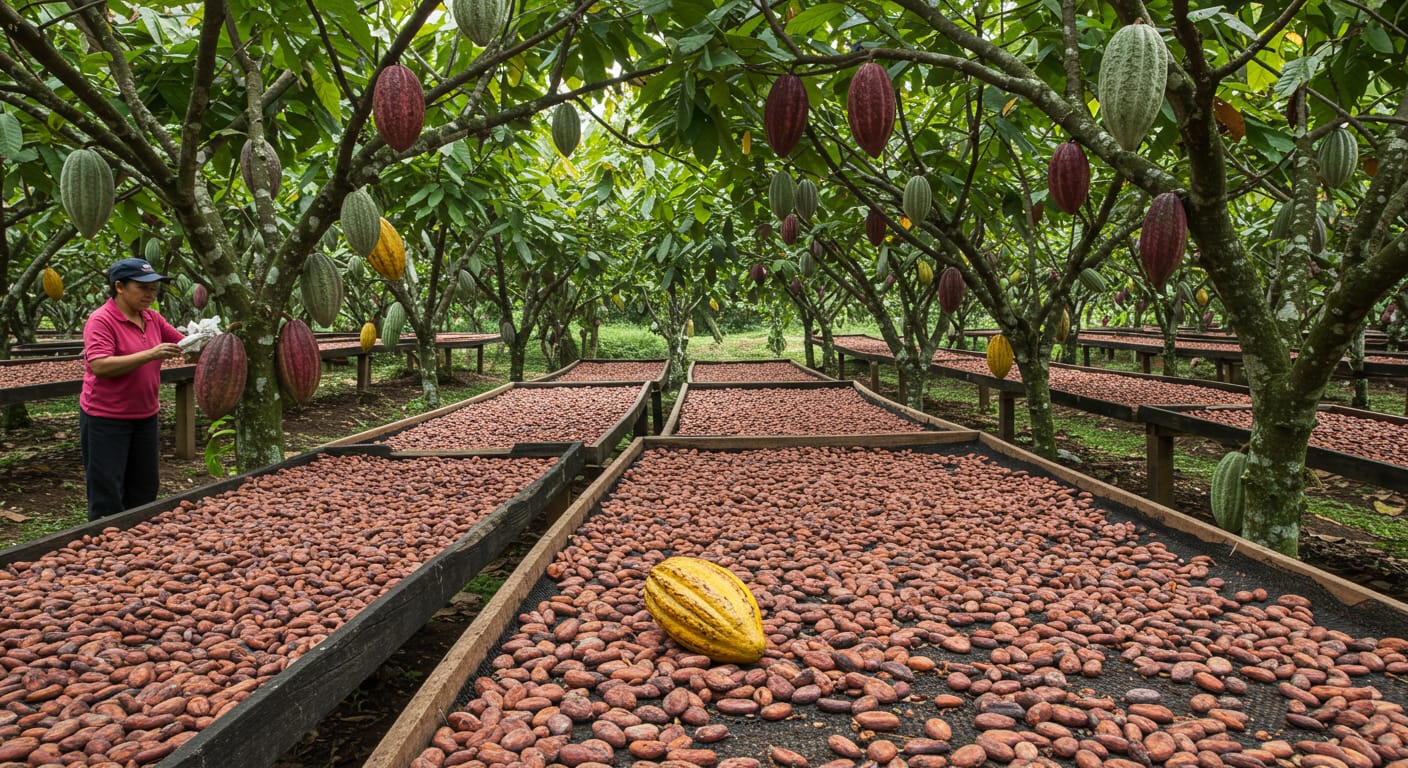
Ecuador has introduced CECA-13, a fine-aroma cacao clone that officials and project partners say was developed to help farmers raise productivity while improving tolerance to disease pressure. The announcement connects one of the world’s best-known premium cacao origins with a breeding effort aimed at supporting plantation performance over time.
According to official information from Nestlé and Ecuadorian agricultural institutions, the clone was developed through a collaboration involving local research bodies and the company. The goal is practical: give growers planting material that can better support yields and field resilience while preserving the fine-aroma profile that keeps Ecuadorian cacao important to premium chocolate markets.
Why it matters for farmers and cacao supply
For growers, the appeal of a new clone like CECA-13 is straightforward. Disease pressure, uneven productivity, and the cost of replanting can all weigh on farm economics. The institutions involved describe CECA-13 as one tool to help address those pressures, although any claims about yield gains, disease tolerance, and field performance should still be understood as official claims until they are confirmed independently at scale.
That matters beyond the farm gate because Ecuador plays an outsized role in fine-aroma cacao, a segment closely watched by premium chocolate makers. More resilient production could help support a steadier supply in a category where flavor profile, consistency, and origin identity matter especially strongly.
Nestlé’s role in the collaboration
Nestlé has presented the project as part of a longer-term effort tied to farmer support and cocoa sourcing. In that sense, CECA-13 looks less like a simple product launch and more like a public-private breeding partnership: research institutions contribute technical and agronomic expertise, while the corporate partner has a clear interest in strengthening the long-term sustainability and reliability of cocoa supply chains.
For Nestlé, that could mean a more dependable upstream cocoa pipeline. For Ecuadorian institutions, it fits a broader goal of helping producers stay competitive in premium cacao while dealing with agronomic challenges that can reduce output and plantation health.
What it could mean for chocolate makers and diners
The immediate effect is upstream, not something diners will notice on restaurant menus this week. But over time, a stronger supply of fine-aroma cacao could matter for chocolatiers, pastry programs, and dessert-focused operators that rely on high-quality cocoa and chocolate inputs. Better farm performance can eventually support more consistent sourcing, which is especially valuable in premium products where shifts in flavor and quality are quickly noticed.
Any downstream effect, however, is likely to emerge gradually. New planting material takes time to be distributed, planted, matured, and evaluated under real farm conditions before it can meaningfully affect market availability or pricing.
What still needs confirmation
Several points still deserve close attention, including the clone’s formal release status, the lead institution responsible for rollout, and the scale at which CECA-13 will reach farmers. It will also be important to see whether future trade reporting and field data confirm the significance of the launch beyond the initial announcement.
For now, CECA-13 stands out as a notable signal from Ecuador’s cacao sector: an effort to pair fine-aroma credentials with stronger agronomic performance in a way that could eventually benefit farmers, chocolate manufacturers, and premium dining programs alike.