Ecuador Scrambles to Register Cacao and Coffee Growers Ahead of EU Deforestation Rules
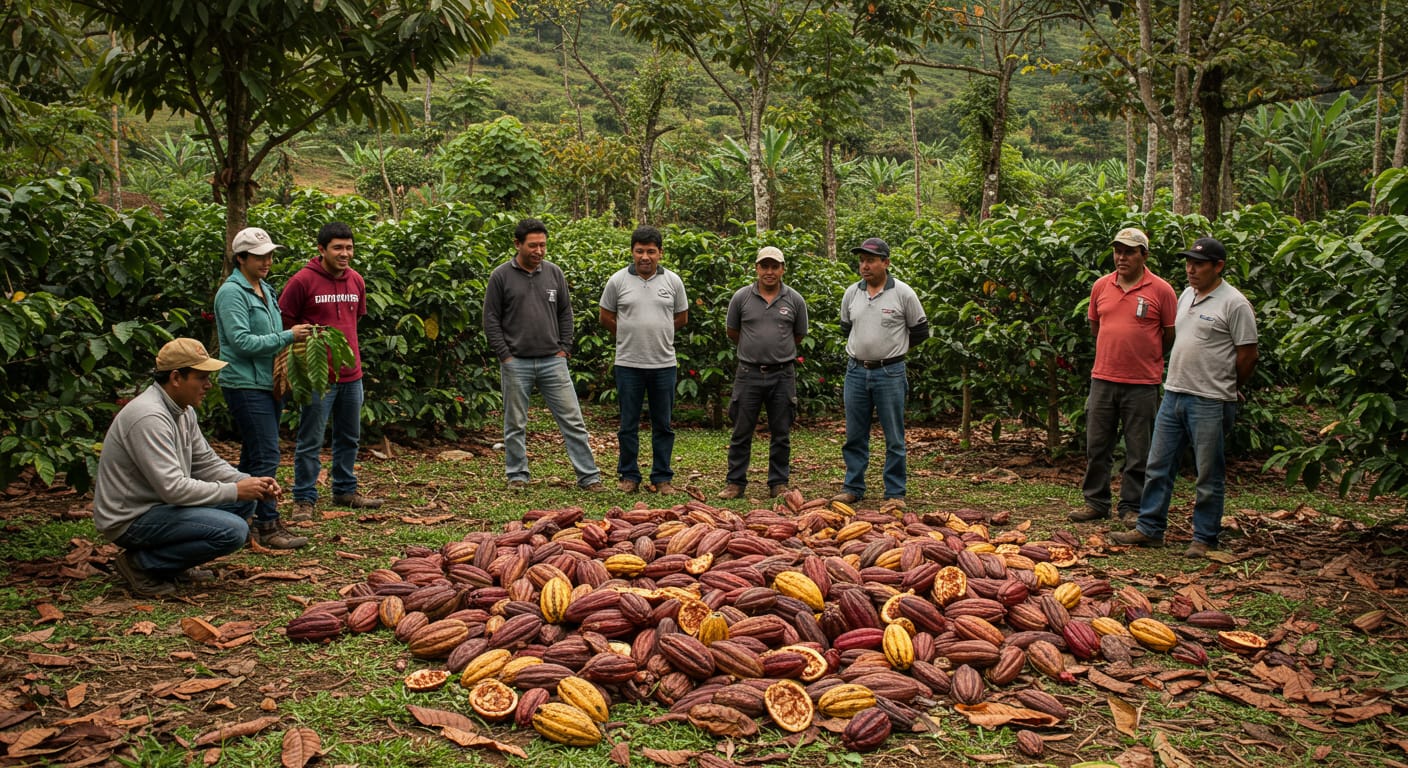
Ecuador is moving quickly to register an estimated 100,000 cacao and coffee growers as the country prepares for the European Union’s new deforestation-free import rules. The effort matters because exporters selling into Europe will need to prove that key agricultural products can be traced back to compliant farms. Any gaps in registration could disrupt access to an important overseas market.
For Ecuador, this is more than a paperwork exercise. Cacao and coffee supply chains rely heavily on small and medium-sized producers, many of them in rural areas where formal records, mapped plot data, and digital traceability systems may still be incomplete. By getting growers into a registry now, authorities and exporters are trying to build the foundation needed to keep shipments moving once EU enforcement tightens.
What the EU rule requires
The European Union Deforestation Regulation covers several commodities sold into the EU market, including cocoa and coffee. In practical terms, importers must be able to show that products are deforestation-free, legally produced under the laws of the country of origin, and backed by due-diligence information.
One of the most important compliance requirements is geolocation. That means supply chains need reliable location data for the plots or production areas where crops were grown. For exporters sourcing from thousands of smallholders, collecting and verifying those coordinates is a major task, especially when documentation standards vary from one farm to another.
Why registration matters on the ground
Registration is the first step toward a traceability system that links growers, farm locations, and export records. Without that chain of information, exporters may struggle to demonstrate compliance to EU buyers. Even companies with strong overseas relationships are only as prepared as the producer networks behind them.
That creates pressure across the whole system. Farmers may need help documenting landholdings or production areas. Cooperatives and exporters may need to standardize records and train field teams. Government agencies may need to support enrollment, verification, and coordination quickly enough to avoid a bottleneck during the transition.
The challenge is especially acute in a country where agricultural production is widely dispersed and many growers are smallholders. Signing up large numbers of producers in a short period requires outreach, technical support, and a practical system for checking the information being submitted.
Why cacao is central to Ecuador’s response
While both cacao and coffee are part of the compliance effort, cacao is the bigger national story. Ecuador has a much stronger international profile in cocoa than in coffee, making continued access to demanding export markets especially important for the sector. That gives the registration drive added urgency, since any disruption tied to traceability or due diligence could ripple through traders, processors, and rural communities.
The International Cocoa Organization and the Food and Agriculture Organization have long highlighted Ecuador’s importance in global cocoa supply. In that context, the EU rules are not just another trade requirement. They are a test of whether one of the country’s signature export industries can adapt quickly enough to stricter expectations around sourcing transparency and land-use history.
What happens if the process falls short
If registration and traceability systems remain incomplete, the most immediate risks are delayed shipments, greater caution from buyers, and possible loss of business in the EU market. Importers facing regulatory scrutiny may prefer suppliers with cleaner documentation and more mature compliance systems.
The burden does not fall on farmers alone. Exporters, cooperatives, customs processes, and public agencies all have a role in making sure records line up with what EU buyers will be expected to provide. Ecuador’s current push suggests officials understand that the window for preparation is narrow.
The bigger question is whether this scramble becomes a one-time response to foreign regulation or the start of a more transparent export system for two of the country’s best-known crops. If the rollout succeeds, Ecuador could emerge with stronger traceability and better market positioning. If it stalls, the costs may be felt from rural producers all the way to international buyers.