Ecuador Produces 63% of the World’s Finest Cacao — Cuenca Is Where You Can Taste Why
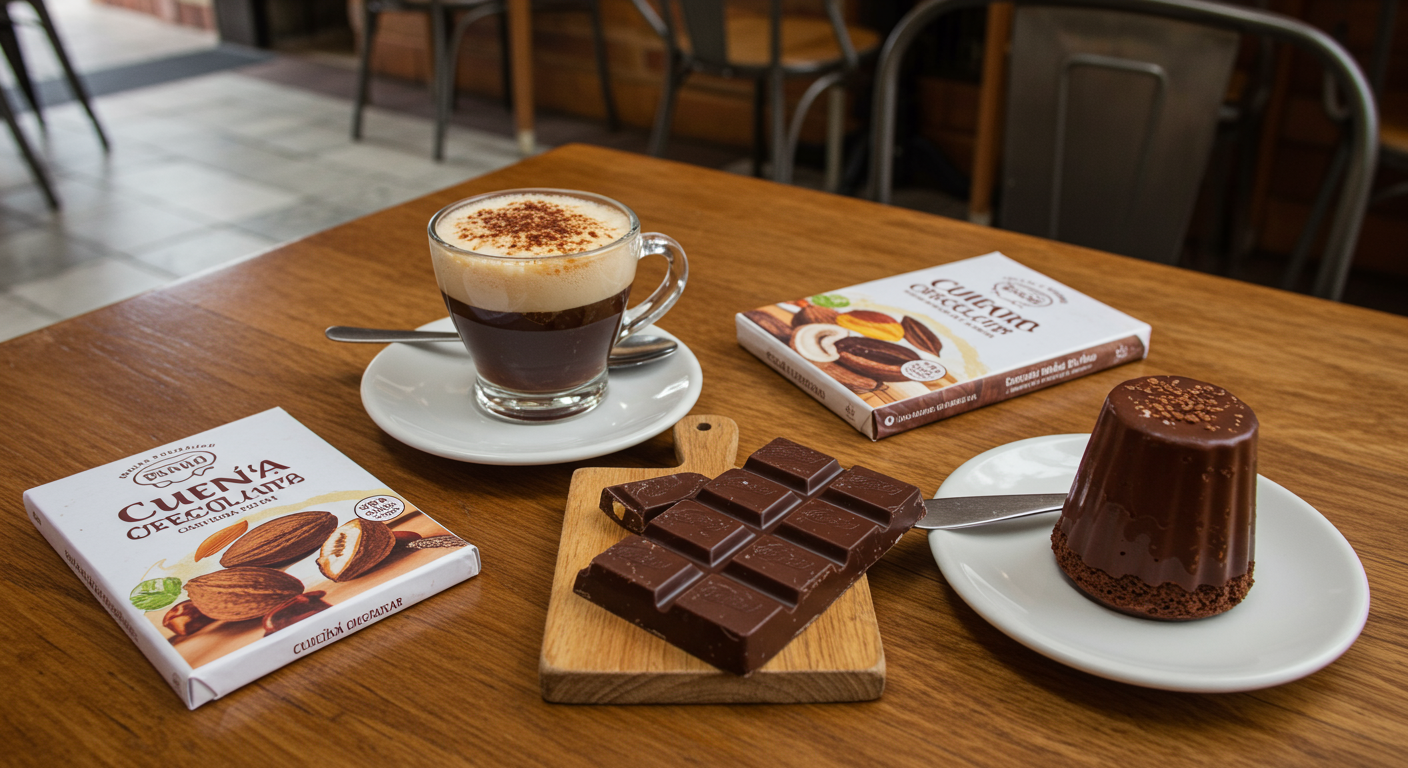
Ecuador is widely recognized as one of the world’s most important sources of fine-flavor cacao, a distinction noted by organizations such as the International Cocoa Organization. In practical terms, that reputation is not just about bitterness or intensity. Fine-flavor cacao is valued for its aroma, fruit notes, floral character, softness, and complexity that can linger well beyond the first bite.
That matters in Cuenca because this is the kind of city where tasting can be part of the day rather than a special expedition. You can move from a morning café to an afternoon chocolate stop to an evening dessert without straying far from the historic center. For travelers who want to understand Ecuador’s cacao identity through dining, Cuenca makes the experience easy and enjoyable.
Why Cuenca works as a tasting city
Cuenca’s appeal starts with its scale and atmosphere. It is walkable, visually rich, and full of places where food and drink naturally fit into a day of exploring. Instead of committing to one formal tasting, visitors can build their own experience across cafés, bakeries, boutiques, and restaurant dining rooms.
That format works especially well for chocolate. Cacao appears in different forms, and each one reveals something different: a hot chocolate can highlight texture and roast, a dark bar can show origin and percentage, and a plated dessert can demonstrate balance, technique, and pairing. Cuenca gives you multiple chances to compare those expressions in a single day.
What to taste: the Cuenca cacao checklist
Start with hot chocolate. Some places lean toward a richer, more comforting style, while others present cacao with a cleaner, more refined café approach. Both can be rewarding, especially when the shop says something meaningful about the cacao it uses.
Next, look for dark chocolate bars made with Ecuadorian cacao. A well-labeled bar is one of the simplest ways to notice how flavor changes with origin, cacao percentage, and style. One bar may taste floral and bright, while another feels nuttier, deeper, or more fruit-forward.
Then move on to desserts. In Cuenca, cacao shows up in tortes, mousses, bonbons, brownies, pastries, gelato, and restaurant desserts where chocolate is treated as an ingredient with structure and personality, not just sweetness. The most memorable versions usually let the cacao speak clearly instead of burying it under sugar.
Finally, pay attention to pairings. Coffee is the obvious companion, but Ecuadorian cacao also works beautifully with local fruit, caramel notes, cream, spices, and Andean-inspired flavors. These combinations can reveal how regional ingredients shape the final experience.
How to read a menu or shop counter like a cacao-savvy traveler
The best clues are often in the wording. Look for mentions of origin, cacao percentage, bean variety, or sourcing details rather than a generic reference to chocolate. Even a short note about Ecuadorian cacao or a named producer can signal that a venue is thinking seriously about what it serves.
It also helps to remember that darker is not automatically better. A 70 percent bar is not inherently superior to a 60 percent dessert component if the lower-percentage option is more balanced and aromatic. Flavor, finish, and texture matter at least as much as intensity.
If you are curious, ask a simple question: Is this made locally, and does it use Ecuadorian cacao? Shops and cafés that care about craftsmanship usually have a clear answer. That conversation can steer you toward products with a stronger sense of place.
Where the dining-out experience shows up in Cuenca
For a well-rounded chocolate day, focus on four types of stops. Specialty cafés are ideal for drinks and smaller pastries. Dessert-forward bakeries show how cacao works in everyday indulgences. Chocolate boutiques are best for bars, bonbons, and gifts. Restaurants with confident pastry programs often deliver the most composed cacao experience of all.
A self-guided route works especially well in central Cuenca. Begin with a café stop, add a chocolate purchase in the afternoon, and save room for a seated dessert later. That approach gives you variety without turning the day into a checklist.
The city does not need exaggerated rankings to make its case. Its strength is accessibility: Cuenca lets visitors sample Ecuador’s cacao reputation through multiple dining formats in a compact, appealing setting.
A smart one-day chocolate itinerary in Cuenca
In the morning, start with coffee and a cacao-based drink or pastry at a central café. This is the easiest moment to notice aroma and texture before your palate gets busy with the rest of the day.
In the afternoon, stop at a chocolate shop or market-style counter and compare a few bars or take-home products. If labels are available, use them. Origin notes and percentages can turn a casual purchase into a mini tasting lesson.
In the evening, finish with a plated dessert at a restaurant where cacao appears as part of a thoughtful menu. This final stop often shows the most polished side of the ingredient, especially when chocolate is paired with fruit, coffee, cream, or spice.
What travelers should know before they go
Quality varies, so the smartest strategy is to prioritize places that communicate sourcing and craftsmanship clearly. A simple menu note, a knowledgeable staff member, or a carefully labeled display can be more useful than flashy presentation alone.
It is also worth keeping the headline statistic in context. The International Cocoa Organization and the World Cocoa Foundation both reflect Ecuador’s strong standing in fine-flavor cacao, and references to the country’s large share of global fine-flavor production apply to that specialized category rather than to all cacao grown worldwide. That distinction helps explain why Ecuador matters so much to chocolate lovers even beyond sheer volume.
In the end, Cuenca is compelling because it gives travelers several credible, enjoyable ways to taste that reputation. You do not need a plantation visit to understand why Ecuadorian cacao is so admired. In Cuenca, the story is already on the menu.