Eating Clean in Ecuador: Is It Easier or Harder?
For health-conscious travelers and expats, Ecuador presents an intriguing paradox when it comes to clean eating. This Andean nation offers some of the world's most nutrient-dense superfoods alongside cooking traditions that can challenge even the most dedicated clean eater. Understanding both sides of this equation is essential for anyone looking to maintain healthy eating habits while experiencing authentic Ecuadorian culture.
Ecuador's Natural Clean Eating Foundation
Ecuador's geographic diversity creates exceptional opportunities for clean eating enthusiasts. The country is home to nutrient powerhouses like quinoa, amaranth, and chia seeds – ingredients that have sustained Andean populations for centuries. These ancient grains pack complete proteins and essential minerals while remaining naturally gluten-free.
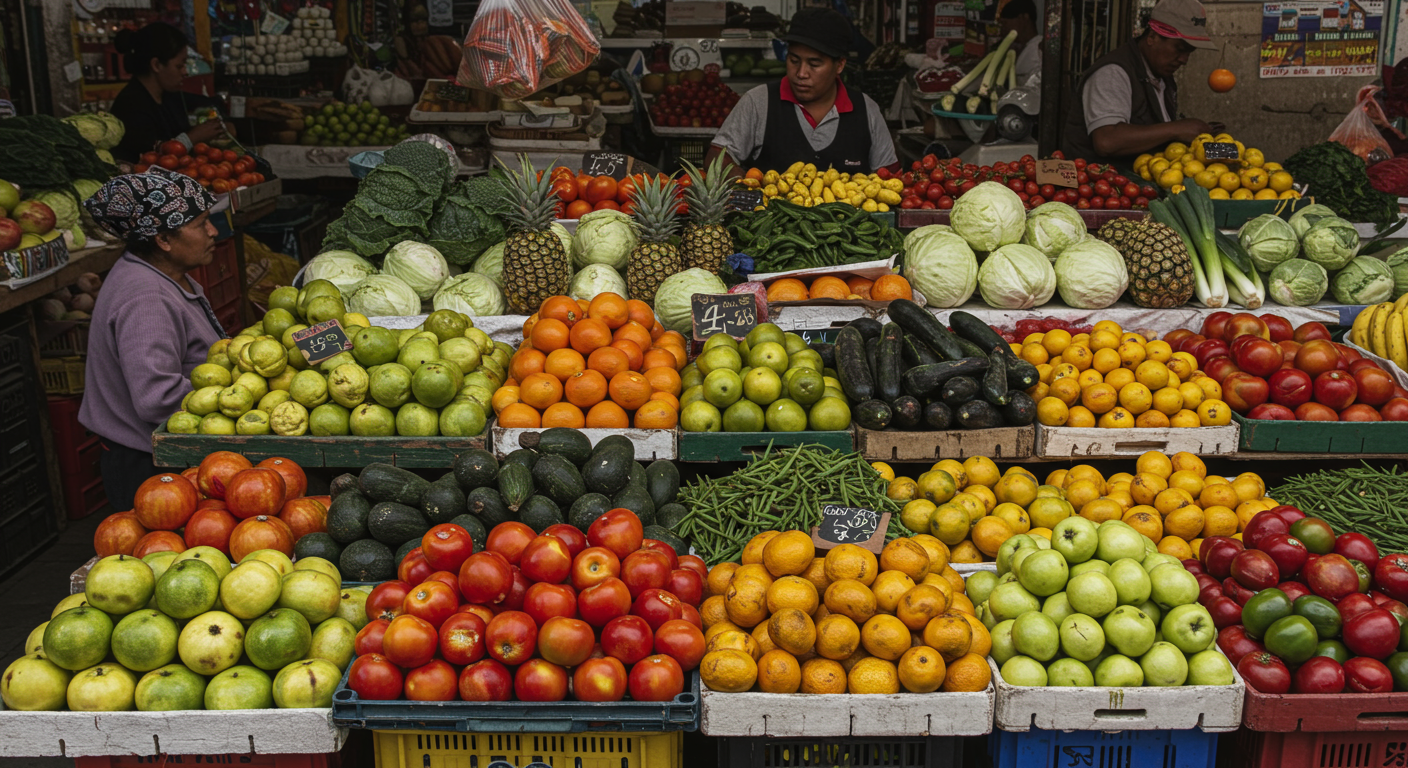
The tropical climate ensures year-round availability of fresh fruits and vegetables. Markets overflow with papaya, passion fruit, dragon fruit, and dozens of exotic varieties rarely seen elsewhere. The coastal regions provide access to fresh seafood, from Pacific mahi-mahi to Andean trout, often caught the same day it reaches your plate.
Perhaps most importantly, Ecuador maintains a strong culture of local markets where vendors sell unprocessed, seasonal ingredients directly from small farms. These mercados offer the freshest produce at prices that make clean eating economically accessible.
Traditional Preparation Challenges
Despite abundant healthy ingredients, traditional Ecuadorian cooking methods can present obstacles for clean eaters. Many beloved dishes rely heavily on frying – from crispy empanadas to golden patacones (twice-fried plantains). These preparation methods, while delicious, add unnecessary oils and calories.
Ecuadorian cuisine also features generous portions of starchy staples. Rice, potatoes, and plantains appear in most meals, often multiple starches on a single plate. While these ingredients aren't inherently unhealthy, the quantities can overwhelm those following lower-carb approaches to clean eating.
Additionally, many traditional recipes incorporate significant amounts of animal fats and cooking oils. Dishes like fritada (fried pork) and llapingachos (potato pancakes) exemplify the rich, heavy cooking style that defines comfort food across Ecuador.
The Urban-Rural Divide
Location dramatically impacts clean eating success in Ecuador. Quito and Guayaquil have embraced health-conscious dining trends, featuring restaurants that specialize in organic ingredients, vegetarian options, and internationally-inspired healthy cuisine. These urban centers also host organic food stores and weekend farmer's markets catering to health-minded locals and expats.
The growing vegetarian and vegan scene in major cities provides clean eaters with more options than ever before. Quinoa bowls, fresh juice bars, and plant-based restaurants have found their niche among younger, urban Ecuadorians.
However, smaller towns and rural areas present different challenges. Traditional cooking methods dominate, and the concept of "clean eating" may be unfamiliar to local cooks. Transportation difficulties can also limit access to the freshest ingredients, particularly in mountainous regions where weather affects road conditions.
Practical Success Strategies
Smart clean eaters can navigate Ecuador's food landscape by identifying traditional dishes that naturally align with healthy eating principles. Ceviche, prepared with fresh fish, lime juice, and vegetables, offers excellent nutrition without heavy processing. Locro de papa, a potato and cheese soup, provides comfort food satisfaction using whole ingredients.
Learning to modify popular recipes makes social dining easier. Request grilled instead of fried proteins, ask for extra vegetables, or suggest sharing multiple small dishes rather than ordering individual heavy plates. Most Ecuadorian cooks take pride in accommodating guest preferences when asked respectfully.
Building relationships with market vendors pays dividends for consistent clean eating. Regular customers often receive the first pick of fresh arrivals and insider knowledge about seasonal specialties. Learning basic Spanish phrases for discussing food preparation helps communicate dietary preferences clearly.
The Final Verdict
Clean eating in Ecuador is simultaneously easier and harder than many other destinations. The abundance of superfood ingredients, fresh produce, and affordable local markets creates an ideal foundation for healthy eating. However, traditional preparation methods and social eating customs require flexibility and creativity to navigate successfully.
Your success largely depends on location choice and personal adaptability. Urban dwellers with access to modern restaurants and organic markets will find clean eating relatively straightforward. Those venturing into rural areas or seeking authentic cultural immersion must balance health goals with respect for local traditions.
Compared to other Latin American countries, Ecuador offers superior access to diverse, nutrient-dense ingredients at reasonable prices. The key lies in embracing the country's natural bounty while thoughtfully navigating preparation methods that align with your health goals.