Dining Out in Cuenca: How the Local Food Scene Is Evolving
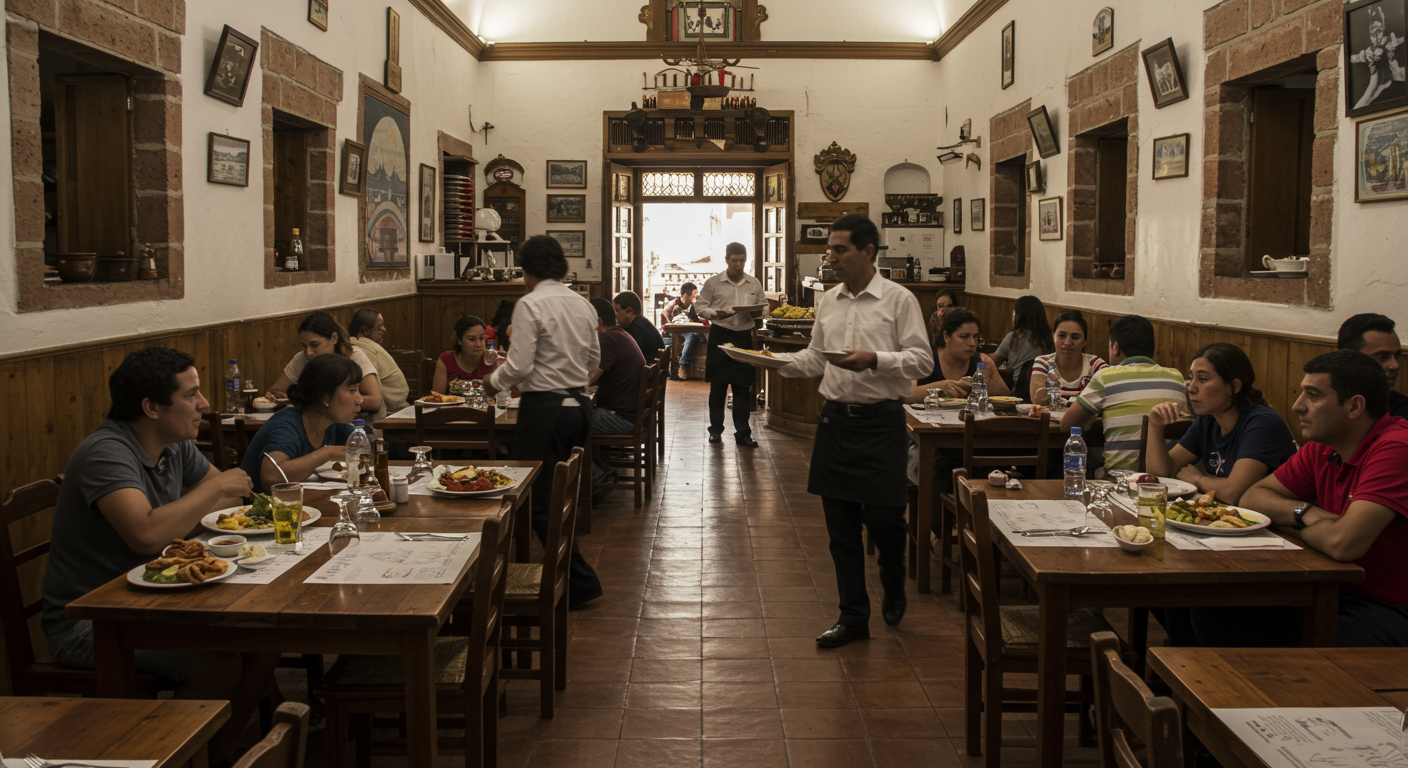
Dining out in Cuenca still begins with tradition, but it no longer ends there. Across the city, longtime markets, neighborhood eateries, and classic regional dishes remain central to daily life, while newer cafés, internationally influenced menus, and more polished dining spaces add another layer to the experience.
This shift is best understood not as a sudden transformation or a single trend, but as a broader change in the feel of the city’s food culture. You can see it in the atmosphere of dining rooms, the range of choices on offer, the presentation of menus, and the way food fits into social life for both residents and visitors. The result is a dining scene that feels broader and more varied than it once did, while still closely tied to local identity.
Why Cuenca’s Food Scene Feels Different Today
Part of what makes Cuenca’s food scene feel different today is the growing coexistence of old and new formats. A traditional lunch counter, a market stall, a family-owned comedor, a specialty coffee shop, and a contemporary restaurant can all feel like part of the same city story. That range gives diners more ways to experience Cuenca depending on their mood, budget, and occasion.
There is also a stronger sense that dining out has become part of lifestyle and place-making. In some settings, food is no longer just about eating well or eating affordably. It is also about lingering, meeting friends, working remotely, or choosing an atmosphere that feels thoughtfully put together. That does not replace older habits; it simply adds to them.
Rather than seeing Cuenca as a city that has left its culinary roots behind, it makes more sense to view it as a place where dining culture has expanded. The appeal lies in the mix: familiar foods and routines remain easy to find, but the city now offers more variety in how those experiences are presented and enjoyed.
The Traditional Foundations Still Anchor the City
For all the visible change, the foundations of Cuenca’s food culture remain deeply traditional. Markets still matter not just as places to buy ingredients, but as spaces where everyday eating habits, local flavors, and culinary memory are kept alive. Family-run spots and modest dining rooms still shape how many people experience the city’s food on a daily basis.
Classic Cuencan and regional dishes remain an important part of the city’s identity. They connect food to routine, seasonality, and custom, and they help preserve a sense of place that residents recognize immediately. For visitors, these traditional foods often provide the most direct introduction to local culture.
That continuity matters because it keeps dining in Cuenca grounded. Even as newer concepts appear, the city has not lost the sense that food belongs to ordinary life and local pride. The enduring presence of traditional establishments helps explain why Cuenca’s dining culture can evolve without feeling disconnected from itself.
A Wider Range of Tastes Is Now Part of the Mix
At the same time, many diners will notice a wider range of tastes and settings than in earlier years. International menus are more visible, and cafés often play a larger role in the city’s social and urban rhythm. Some restaurants place more emphasis on design, presentation, and ambiance, suggesting that the dining experience itself has become more of a draw.
This broader mix likely reflects several overlapping forces. Visitor expectations can influence which kinds of restaurants become more prominent, especially in a city with strong cultural appeal. Local entrepreneurs also appear willing to experiment with new concepts, and the result is a food scene that can feel more cosmopolitan without becoming generic.
The shift is not simply about importing outside tastes. In many cases, the newer dining environment still draws on local ingredients, regional references, and established food habits. That combination gives Cuenca a dining character that feels more flexible than before, while still recognizably tied to the city.
Tourism, City Branding, and Lifestyle Change
Food increasingly seems to play a role in how Cuenca is experienced and presented. In a city known for heritage, architecture, and cultural life, dining naturally becomes part of the broader visitor experience. Public markets, festivals, and local traditions can all help make gastronomy more visible, even when food is not the only attraction.
Tourism promotion and civic identity may also shape which culinary experiences stand out most. When a city is presented as historic, livable, and culturally rich, restaurants and cafés become part of that image. Dining is one of the most immediate ways people interact with a place, so it makes sense that it gains visibility alongside heritage narratives and cultural programming.
Lifestyle changes matter too. As social habits shift, and as more people look for spaces that combine leisure, conversation, convenience, and ambiance, food businesses often adapt. That can mean more café culture, more flexible dining formats, and more venues that function as social spaces as much as places to eat.
What Diners May Notice on the Ground
For anyone eating around the city, these changes may show up in small but noticeable ways. Menus may be more stylized, coffee service may receive more attention, and plating may feel more deliberate in some establishments. In certain parts of the city, the atmosphere of dining out can feel more destination-oriented than purely practical.
There is also a wider spread between casual and upscale experiences. Cuenca still offers familiar, everyday meals in longstanding settings, but there are also more spaces built around mood, aesthetics, or a slower social rhythm. Some venues seem designed for conversation and extended stays, while others preserve the quick, reliable character of traditional dining.
This does not mean one format is replacing another. Instead, diners may find that the city offers more choice across different styles of eating out. That variety can make the food scene feel more dynamic, even if the essentials of local dining remain much the same.
What Has Not Changed
Despite the visible evolution, several defining features of dining in Cuenca remain intact. Affordability still matters, familiarity still matters, and local flavor still matters. The city’s food culture continues to be shaped by everyday accessibility as much as by novelty or trend.
Just as important, change has not erased the older forms that gave Cuenca its culinary identity in the first place. Markets, neighborhood restaurants, and traditional preparations still provide the backbone of the local food experience. Newer cafés and contemporary restaurants may expand the scene, but they do not cancel out what came before.
That balance may be the real story. Cuenca’s dining appeal lies not in becoming something entirely new, but in making room for both continuity and experimentation. For diners, that means the city can still feel rooted and recognizable while offering more variety than many people expect.